Medical Devices
Wheelchairs: A Neutral Scientific Overview

1. Objective Definition
A wheelchair is an assistive mobility device designed to support seated locomotion for individuals who experience difficulty or inability in walking. Wheelchairs may be manually propelled, powered by electric motors, or configured in hybrid forms. They are used in healthcare settings, rehabilitation contexts, long-term daily living environments, and public spaces to facilitate mobility and participation in social activities.
This article aims to clarify what wheelchairs are, explain their fundamental components and operating principles, describe the mechanisms that enable movement and support, and present an objective overview of their role within healthcare systems and society. The discussion follows a structured path from basic definitions to broader considerations and concludes with commonly raised factual questions.
2. Basic Concept Explanation
Human mobility relies on the coordinated function of the musculoskeletal and nervous systems. When injury, illness, congenital conditions, or age-related changes affect this coordination, assistive devices may be introduced to support movement. Wheelchairs represent one category of such devices, specifically intended for seated mobility.
From a technical perspective, a wheelchair consists of a frame, a seating system, wheels or mobility modules, and user interface components such as push rims or control units. The design allows body weight to be distributed across the seating surface while enabling directional movement on flat or gently sloped surfaces.
Wheelchairs can be broadly categorized into:
- Manual wheelchairs, which rely on user propulsion or assistance from another person.
- Powered wheelchairs, which use electric motors controlled through joysticks, switches, or alternative input systems.
- Specialized wheelchairs, developed for specific environments or clinical needs, such as sports or pediatric use.
These categories reflect functional differences rather than qualitative judgments.
3. Core Mechanisms and In-Depth Explanation
3.1 Structural Design and Materials
The frame provides structural integrity and supports the user’s weight. Common materials include steel, aluminum alloys, and composite materials, each selected based on mechanical strength, durability, and weight characteristics. Frame geometry influences stability, turning radius, and load distribution.
3.2 Mobility and Propulsion Systems
In manual wheelchairs, propulsion is achieved through rotational force applied to push rims attached to the rear wheels. The relationship between wheel diameter, push rim size, and mechanical leverage affects the effort required for movement.
Powered wheelchairs incorporate electric motors, rechargeable batteries, and electronic control systems. Motor torque, battery capacity, and controller algorithms determine speed, range, and responsiveness.
3.3 Seating and Postural Support
The seating system includes the seat surface, backrest, and optional support components. These elements are designed to maintain posture, distribute pressure, and reduce localized stress on tissues. Pressure distribution is a critical factor in reducing the risk of pressure-related skin damage, a topic addressed extensively in clinical research.
3.4 Safety and Standards
International standards specify testing methods for stability, durability, braking performance, and environmental resistance. These standards provide a technical framework for evaluating wheelchair performance under defined conditions rather than guaranteeing outcomes in all real-world scenarios.
4. Comprehensive and Objective Discussion
According to global health organizations, wheelchairs are among the most commonly used assistive products worldwide. The World Health Organization has reported that tens of millions of people globally require wheelchairs for mobility, with unmet needs remaining significant in many regions. This highlights the role of wheelchairs within broader discussions of accessibility, rehabilitation services, and public infrastructure.
Wheelchairs are not uniform solutions. Their effectiveness depends on factors such as user physical characteristics, environment, and support systems. Research literature emphasizes that wheelchairs function as part of a wider assistive ecosystem that may include physical therapy, environmental adaptation, and social support.
From a societal perspective, wheelchair accessibility has influenced building codes, transportation design, and urban planning. At the same time, discussions continue regarding equitable access, maintenance, and long-term usability, particularly in low-resource settings.
5. Summary and Outlook
Wheelchairs are assistive mobility devices that enable seated locomotion through mechanical or electromechanical systems. Their design integrates principles from biomechanics, materials science, and human factors engineering. While they provide measurable functional benefits in mobility, their role is best understood within a broader clinical, environmental, and social context.
Future developments described in academic and technical literature include advances in lightweight materials, sensor integration, and improved human–machine interfaces. These trends reflect ongoing efforts to refine performance and adaptability without altering the fundamental purpose of the wheelchair as a mobility aid.
6. Question and Answer Section
Q1: What is the primary function of a wheelchair?
To provide seated mobility for individuals who have limited or no ability to walk.
Q2: Are all wheelchairs manually operated?
No. Wheelchairs may be manual, powered, or use hybrid propulsion systems.
Q3: Do wheelchairs eliminate the need for other forms of support?
No. They are typically part of a broader system that may include rehabilitation and environmental adaptations.
Q4: Are wheelchairs standardized globally?
International standards exist, but designs and availability vary by region and context.
Q5: Can wheelchairs be used in all environments?
Their usability depends on surface conditions, spatial design, and environmental accessibility.
https://www.who.int/publications/i/item/WHO-EMP-AT-2017.02
https://www.who.int/news-room/fact-sheets/detail/assistive-technology
https://www.cdc.gov/ncbddd/disabilityandhealth/infographic-disability-impacts-all.html
https://www.iso.org/standard/77978.html
https://www.ncbi.nlm.nih.gov/pmc/articles/PMC8796244/

Other Articles
 Feb 06, 2026
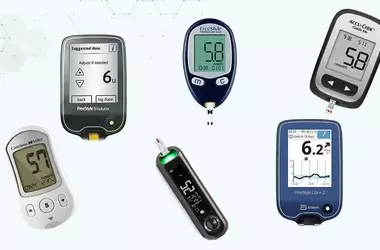
Blood Glucose Meters: A Neutral Scientific Overview
This article provides a neutral, science-focused overview of blood glucose meters. It explains what blood glucose meters are, why they are used, and how they function from a technical and physiological perspective. The discussion follows a structured path: clarifying objectives, introducing foundational concepts, examining core mechanisms in detail, presenting an objective and comprehensive view of the topic, summarizing key points, and concluding with a question-and-answer section. The purpose is limited strictly to information delivery and knowledge clarification, without recommendation, promotion, or persuasive intent.
 By Dr. Mei Wong
 Feb 05, 2026
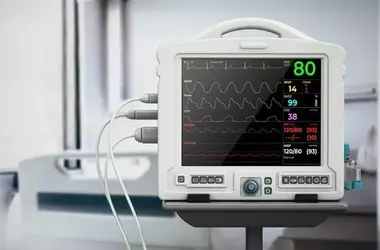
Electrocardiogram (ECG) Devices: A Scientific Overview of Principles, Function, and Interpretation
An electrocardiogram (ECG) device is a medical instrument used to record the electrical activity of the heart over a period of time. By detecting and amplifying bioelectrical signals generated during cardiac cycles, ECG devices provide structured waveforms that reflect heart rhythm and conduction patterns. This article offers a neutral, educational overview of ECG devices, explaining their purpose, foundational concepts, core operating mechanisms, and interpretive context. The discussion follows a fixed structure: defining objectives, introducing basic concepts, exploring underlying mechanisms in depth, presenting a comprehensive and objective perspective, summarizing key points and future directions, and concluding with a factual question-and-answer section. The content serves solely to convey information and scientific understanding without recommendation, promise, or inducement.
 By Dr. Felipe Torres
 Feb 05, 2026
Pulse Oximeter: A Neutral Scientific Overview of Principles, Use, and Limitations
A pulse oximeter is a noninvasive medical device designed to estimate the oxygen saturation of hemoglobin in arterial blood. It has become a widely recognized tool in clinical environments and home health monitoring contexts. This article provides a neutral, science-focused overview of pulse oximetry, outlining its objectives, foundational concepts, operating mechanisms, interpretive considerations, and known limitations. The discussion follows a structured path: clarifying the goal of pulse oximetry, explaining basic concepts, examining the core measurement mechanism in depth, presenting a balanced and comprehensive perspective, summarizing key points and future directions, and concluding with a factual question-and-answer section. The purpose is strictly informational, aiming to support general understanding without recommendation, endorsement, or inducement.
By Dr. Felipe Torres