Medical Devices
Understanding Home Nebulizers: A Comprehensive Scientific Overview

Respiratory health depends on the efficient delivery of oxygen and, in certain clinical circumstances, the targeted administration of medication to the lungs. Home nebulizers are medical devices designed to convert liquid medication into a fine mist, or aerosol, which can be inhaled directly into the lower respiratory tract. Unlike traditional inhalers that require specific coordination of breath, nebulizers allow for passive inhalation over several minutes. This article provides a neutral, science-based exploration of nebulizer technology. The discussion will clarify the fundamental components of these devices, detail the mechanical and physical principles of aerosol generation, present an objective comparison of different technological types, and outline the clinical requirements for hygiene and safety. By navigating from basic mechanics to practical Q&A, this resource serves as an informative guide for understanding the role of nebulization in home-based respiratory care.
Foundational Concepts and System Categories
A nebulizer system consists of a power source (compressor or battery), a medication reservoir, and an interface such as a mouthpiece or face mask. Its primary purpose is to bypass the digestive system and deliver substances directly to the bronchial tubes.
These devices are generally classified into three technological groups based on how they create the mist:
- Compressor (Jet) Nebulizers: The most common type, which uses compressed air to break liquid into droplets.
- Ultrasonic Nebulizers: These utilize high-frequency vibrations to create an aerosol, though they are less commonly used for certain heat-sensitive medications.
- Vibrating Mesh Nebulizers: A newer, portable technology that pushes liquid through a microscopic mesh to create a consistent, fine mist.
Core Principles: The Physics of Aerosolization
The effectiveness of a nebulizer is measured by its ability to produce particles small enough to reach the deep recesses of the lungs (the alveoli).
1. Atomization and Particle Size
- The Mechanism: Liquid medication is subjected to high-speed air or mechanical vibration.
- The Result: The liquid breaks into billions of tiny droplets. Clinical standards suggest that for effective lung deposition, these particles must be between 1 and 5 micrometers in diameter. Particles larger than this tend to get stuck in the throat or mouth.
2. The Bernoulli Principle (In Jet Nebulizers)
- The Mechanism: A compressor forces air through a narrow opening (venturi), creating a localized area of low pressure.
- The Result: This low pressure sucks the liquid medication up a capillary tube, where it is blasted by the air stream into a mist. Baffles within the device filter out the larger drops, sending them back into the reservoir to be re-nebulized.
3. Energy Transfer (In Ultrasonic and Mesh Systems)
- The Mechanism: Electricity is converted into mechanical energy via a piezoelectric crystal.
- The Result: In mesh systems, thousands of laser-drilled holes vibrate at high speeds, acting like a microscopic sieve that produces a very uniform aerosol without generating heat.
The Clinical Landscape and Device Comparison
Selecting or understanding a nebulizer involves evaluating the medication type, the age of the user, and the environment of use.
Comparison of Nebulizer Technologies
| Feature | Compressor (Jet) | Vibrating Mesh | Ultrasonic |
| Portability | Low (Requires plug) | High (Battery operated) | Moderate |
| Noise Level | High (Vibration) | Near Silent | Silent |
| Medication Waste | Moderate | Very Low | Low |
| Durability | High | Fragile Mesh | Moderate |
| Suitability | Most medications | Most medications | Not for viscous/heat-sensitive |
Hygiene and Maintenance Protocols
- Biofilm Prevention: Because nebulizers operate in a moist environment, they are susceptible to bacterial growth. Standard protocols require rinsing the kit after every use and performing a deep disinfection (using vinegar-water or medical disinfectants) once a week.
- Interface Choice: Masks are typically used for infants or those who cannot seal their lips, while mouthpieces are preferred for adults to ensure more medication reaches the lungs instead of being deposited on the face or nose.
Objective Discussion and Evidence
Scientific research on home nebulization emphasizes the importance of technique and device quality in achieving therapeutic goals.
- Drug Deposition Rates: Research published in Respiratory Care indicates that only about 10% to 15% of the medication placed in a jet nebulizer reservoir actually reaches the lower lungs. The rest is lost during exhalation or remains as "volume" in the device.
- Infection Risks: Data suggests that contaminated nebulizers are a significant source of hospital-acquired and home-based respiratory infections. Studies show that up to 30% of home nebulizers harbor potentially pathogenic bacteria due to inadequate cleaning.
- Effectiveness in Acute Care: Clinical trials comparing nebulizers to pressurized metered-dose inhalers (pMDIs) with spacers found that both are equally effective for most stable asthma patients. Nebulizers are generally reserved for those in acute distress or those with coordination difficulties.
- Saline Utility: Scientific evidence supports the use of nebulized hypertonic saline (saltwater) to help thin mucus in conditions like cystic fibrosis or bronchiectasis, facilitating easier airway clearance.
Summary and Future Outlook
Nebulizer technology is moving toward "smart" delivery systems that synchronize with the user's breathing patterns.
Future developments include:
- Breath-Actuated Systems: Devices that only produce mist when the user inhales, significantly reducing medication waste and environmental exposure.
- Digital Integration: Nebulizers that track usage data and send reports to healthcare providers to monitor adherence to a treatment plan.
- Nanotechnology Mesh: Improved mesh materials that are less prone to clogging and can aerosolize even the most viscous biological medications.
- Environmentally Friendly Design: Transitioning away from disposable plastic kits toward more durable, recyclable medical-grade materials.
Question and Answer Section
Q: Why does the nebulizer take longer to finish toward the end of the session?
A: As the volume of liquid in the reservoir decreases, the ratio of air to liquid changes, and it becomes more difficult for the device to draw up the remaining medication. This is known as the "sputtering" phase.
Q: Can any liquid medication be used in a nebulizer?
A: No. Only medications specifically formulated for inhalation can be used. Using oil-based liquids or crushed pills can damage the device and, more importantly, cause severe lung inflammation (lipoid pneumonia).
Q: How often should the air filter be changed?
A: In compressor models, the filter prevents dust and pet dander from being pumped into the lungs. Clinical guidelines generally suggest checking the filter once a month and replacing it if it appears gray or dirty.
Q: Is it okay to share a nebulizer kit?
A: The compressor (machine) can be shared, but the nebulizer kit (tubing, cup, and mask) is for individual use only. Shared kits are a primary vector for the transmission of respiratory viruses and bacteria.
References
- https://www.ncbi.nlm.nih.gov/pmc/articles/PMC7151155/
- https://www.thoracic.org/patients/patient-resources/resources/nebulizers.pdf
- https://pubmed.ncbi.nlm.nih.gov/11770611/
- https://www.medscape.com/viewarticle/716584
- https://www.lung.org/lung-health-diseases/lung-disease-lookup/asthma/treatment/nebulizer

Other Articles
 Dec 25, 2025
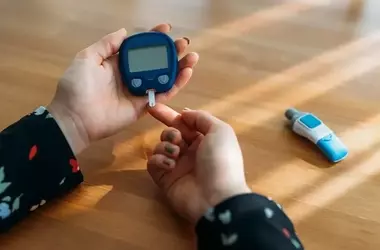
Understanding Blood Glucose Monitors: A Comprehensive Scientific Overview
Effective metabolic health management relies on the ability to quantify biological data accurately.Blood glucose monitors, also known as glucometers, are medical devices designed to measure the concentration of glucose within the blood. This technology provides individuals and healthcare professionals with immediate data regarding how the body processes sugar, which is a critical component of managing conditions such as diabetes. This article provides a neutral, science-based exploration of these devices. The discussion will navigate through the basic components of monitoring systems, the chemical and electrical mechanisms that enable measurement, an objective presentation of different technological modalities, and the clinical standards for accuracy. By moving from foundational chemistry to practical Q&A, this resource serves as a factual guide for understanding the role of glucose monitoring in modern physiological assessment.
 By Dr. Chen Wei
 Dec 25, 2025
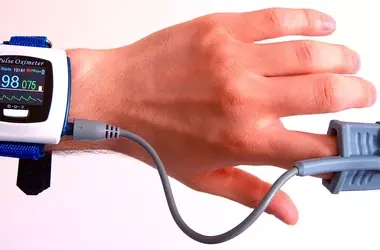
Understanding Pulse Oximetry: A Comprehensive Scientific Overview
Human physiological health is fundamentally dependent on the continuous supply of oxygen to vital organs and tissues.Pulse oximetersare non-invasive medical devices designed to measure the oxygen saturation level ($SpO_2$) of a person's blood, along with their heart rate. This technology allows for the rapid assessment of respiratory function without the need for blood draws or needles. The following discussion aims to clarify the scientific principles behind these devices, progressing from basic terminology to the complex optical mechanisms that allow for measurement through the skin. The article will also present an objective comparison of different device types, discuss clinical accuracy standards, and conclude with a look at future developments in physiological monitoring. By providing a structured and factual analysis, this resource serves as an informative guide for understanding how oxygen levels are monitored in modern healthcare.
By Dr. Chen Wei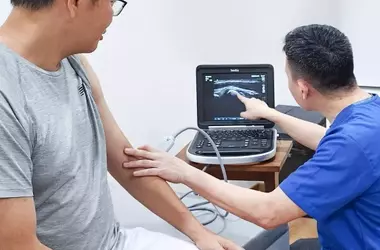 Dec 25, 2025
Understanding Point-of-Care Ultrasound (POCUS): A Technical and Clinical Overview
Point-of-Care Ultrasound (POCUS) refers to the use of portable ultrasonography by a healthcare practitioner at the patient's bedside to answer specific clinical questions or guide medical procedures. Unlike traditional comprehensive ultrasound exams performed in specialized radiology departments, POCUS is characterized by its immediate application, focused scope, and integration into the physical examination process. This article provides a neutral, evidence-based exploration of POCUS technology, detailing its structural components, the physics of acoustic wave interaction with human tissue, and its objective role in modern clinical environments. The following sections follow a structured trajectory: defining the technological framework, explaining the core mechanisms of sonography, presenting an objective overview of systemic benefits and limitations, and concluding with a technical inquiry section to clarify common operational questions.
 By Dr. Laura Kim