Medical Devices
Ultrasound Diagnostic Systems: Principles, Imaging Mechanisms, and Clinical Interpretation

Defining the Objective
An ultrasound diagnostic system is a medical imaging device that uses high-frequency acoustic waves to produce real-time images of internal organs, tissues, and blood flow. Unlike imaging methods that rely on ionizing radiation, ultrasound operates through mechanical wave propagation.
The objective of this article is to explain how ultrasound systems function, what information they provide, and how their outputs are interpreted. The structure follows a systematic progression: foundational definition, conceptual framework, core mechanisms, comprehensive discussion, summary and outlook, and a final question-and-answer section.
Basic Concept Explanation
Ultrasound imaging is based on the transmission and reflection of sound waves at frequencies typically above 2 MHz, which exceed the upper limit of human hearing. These waves propagate through biological tissues and are partially reflected when they encounter boundaries between different tissue types.
Key components of an ultrasound system include:
- Transducer (probe)
- Signal processing unit
- Display interface
- Data storage and output systems
The transducer plays a central role by both emitting and receiving sound waves. The reflected signals, known as echoes, are processed to construct images representing tissue structures.
Different imaging modes are used depending on the diagnostic purpose:
- B-mode (brightness mode) for structural imaging
- M-mode for motion tracking
- Doppler modes for blood flow analysis
Core Mechanisms and In-Depth Explanation
Wave Generation and Detection
Ultrasound systems rely on piezoelectric materials within the transducer. When electrical energy is applied, these materials vibrate and generate sound waves. When returning echoes strike the same material, they produce electrical signals.
Image Formation
The system calculates the time it takes for echoes to return, allowing estimation of depth. The amplitude of the echo determines pixel brightness. By scanning across multiple lines, a two-dimensional image is constructed.
Acoustic Properties of Tissue
Different tissues interact with sound waves in distinct ways:
- Reflection occurs at interfaces with differing acoustic impedance
- Refraction alters wave direction
- Attenuation reduces signal strength with depth
Doppler Effect
In Doppler ultrasound, frequency shifts occur when sound waves reflect from moving objects such as red blood cells. These shifts are used to estimate velocity and direction of blood flow.
Standardization and Guidance
Organizations such as the World Health Organization and American Institute of Ultrasound in Medicine provide technical guidelines and safety considerations related to ultrasound use.
Comprehensive and Objective Discussion
Applications
Ultrasound systems are used in multiple domains, including:
- Abdominal imaging
- Obstetric and gynecological assessment
- Cardiovascular evaluation
- Musculoskeletal analysis
Advantages
- Non-ionizing imaging method
- Real-time visualization
- Portable system configurations
Limitations
- Image quality depends on operator technique
- Limited penetration in certain tissues
- Acoustic shadowing and artifacts may obscure structures
Accuracy Considerations
Image interpretation depends on both technical quality and user expertise. Variability may arise from differences in equipment settings, probe selection, and patient-specific factors such as body composition.
Safety Considerations
Ultrasound is generally considered safe when used within established guidelines. However, energy exposure parameters such as thermal and mechanical indices are monitored to minimize potential biological effects.
Summary and Outlook
Ultrasound diagnostic systems represent a widely used imaging modality based on sound wave propagation and echo detection. Their ability to provide real-time, non-invasive visualization contributes to their broad application across medical fields.
Future developments may involve enhanced image resolution, artificial intelligence-assisted interpretation, and integration with other diagnostic modalities. These advances may refine data acquisition and analysis while maintaining the fundamental principles of acoustic imaging.
Question and Answer Section
Q1: How does ultrasound differ from X-ray imaging?
Ultrasound uses sound waves, while X-ray imaging relies on ionizing radiation.
Q2: What determines image quality in ultrasound?
Factors include probe frequency, operator technique, and tissue characteristics.
Q3: What is the role of Doppler ultrasound?
It measures changes in frequency caused by moving blood cells to estimate flow velocity.
Q4: Why are some structures difficult to image?
Air and dense bone can reflect or block sound waves, limiting visualization.
Q5: Is ultrasound exposure harmful?
When used according to established guidelines, it is generally considered safe.
Data Source Links
https://www.who.int/medical_devices/diagnostics/en/
https://www.aium.org/resources/guidelines.aspx
https://www.ncbi.nlm.nih.gov/books/NBK546611/
https://www.fda.gov/radiation-emitting-products/medical-imaging/ultrasound-imaging
https://www.radiologyinfo.org/en/info/ultrasound

Health consultant specializing in lifestyle disease prevention.
Exploration ArchivesOther Articles
 Apr 10, 2026
Understanding Blood Pressure Monitors: Principles, Accuracy, and Role in Health Assessment
This article examines blood pressure monitors as medical devices used to measure arterial pressure. It outlines what blood pressure monitors are, how they work, and why they are important in health assessment. It further explores measurement principles, accuracy considerations, device types, and their role in broader health contexts. The discussion concludes with a neutral overview of limitations, future directions, and common questions.
 By Dr. Peter Van Dijk
 Apr 09, 2026
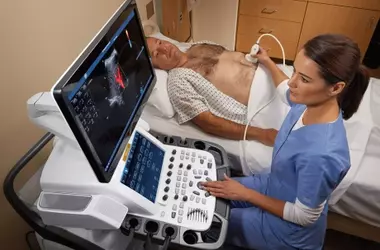
Ultrasound Imaging Systems: Principles, Technology, and Clinical Context
Ultrasound imaging systems, often referred to as diagnostic ultrasound or sonography devices, are medical tools that use high-frequency sound waves to visualize internal body structures. This article defines ultrasound imaging, outlines its purpose, and previews the discussion of its underlying physical principles, technological mechanisms, and broader applications. It further presents an objective overview of capabilities and limitations, followed by a summary, future outlook, and a structured question-and-answer section.
 By Dr. Felipe Torres
 Apr 09, 2026
Blood Glucose Monitors: Principles, Measurement Methods, and Clinical Context
Blood glucose monitors are devices designed to measure the concentration of glucose in the blood, providing essential information for understanding metabolic status. This article defines what blood glucose monitoring is, explains how these devices function, explores their measurement mechanisms, and presents an objective discussion of their role in health management. It concludes with a summary, future outlook, and a structured question-and-answer section.
By Dr. Felipe Torres