Medical Devices
Understanding Blood Pressure Monitors: Principles, Accuracy, and Role in Health Assessment

Defining the Objective
A blood pressure monitor is a device designed to measure the force exerted by circulating blood against the walls of arteries. Blood pressure is typically expressed using two values: systolic pressure and diastolic pressure. Monitoring these values helps in understanding cardiovascular function and identifying deviations from typical physiological ranges.
This article aims to clarify what blood pressure monitors measure, how measurements are obtained, how accuracy is determined, and how these devices fit into broader health monitoring practices. It follows a structured path: definition, foundational concepts, mechanisms, comprehensive discussion, summary, and a question-and-answer section.
Basic Concept Explanation
Blood pressure reflects the interaction between cardiac output and vascular resistance. The systolic value corresponds to the pressure during heart contraction, while the diastolic value represents pressure during relaxation. These measurements are typically expressed in millimeters of mercury (mmHg).
Blood pressure monitors can be categorized into several types:
- Manual devices using a cuff, stethoscope, and gauge
- Automated electronic monitors
- Ambulatory devices that record pressure over extended periods
Each type aims to capture the same physiological signals but uses different methods and technologies.
Measurement typically involves inflating a cuff around the upper arm to temporarily restrict blood flow. As the cuff deflates, blood flow resumes, and changes in pressure are detected and interpreted.
Core Mechanisms and In-Depth Explanation
Two primary measurement methods are widely used:
Auscultatory Method
This traditional method involves listening to Korotkoff sounds using a stethoscope. As the cuff pressure decreases, specific sounds appear and disappear, corresponding to systolic and diastolic values. The method relies on human interpretation and is considered a reference standard in many clinical contexts.
Oscillometric Method
Electronic monitors commonly use this approach. Instead of detecting sound, they measure oscillations in cuff pressure caused by arterial pulsations. Algorithms then estimate systolic and diastolic values based on these oscillations.
Key Factors Affecting Measurement
Several variables influence the accuracy of readings:
- Cuff size relative to arm circumference
- Body position and posture
- Movement during measurement
- Timing relative to physical activity or stress
- Device calibration and validation
Validation Standards
Organizations such as the World Health Organization and American Heart Association provide guidance on measurement protocols and validation requirements.
Comprehensive and Objective Discussion
Clinical and Non-Clinical Contexts
Blood pressure monitors are used in hospitals, clinics, and home settings. Their role varies from diagnostic support to long-term monitoring. Ambulatory monitoring, for example, can reveal variations across a 24-hour cycle, including nighttime patterns.
Advantages
- Non-invasive measurement
- Relatively quick data acquisition
- Widely standardized units and interpretation frameworks
Limitations
- Single measurements may not reflect long-term trends
- Device variability can affect consistency
- Environmental and physiological factors may introduce variability
Interpretation Considerations
Blood pressure readings are interpreted in the context of broader health data, including age, medical history, and concurrent conditions. Thresholds and classifications may vary slightly across guidelines issued by different organizations.
Summary and Outlook
Blood pressure monitors represent a fundamental tool in assessing cardiovascular function. Their operation relies on well-established physiological principles and measurement techniques. While technological improvements have increased accessibility and automation, considerations regarding accuracy and interpretation remain essential.
Future developments may include integration with digital health platforms, improved sensor technologies, and enhanced data analytics. These changes may influence how measurements are collected, stored, and interpreted, while the core physiological principles remain unchanged.
Question and Answer Section
Q1: What do systolic and diastolic values represent?
They represent arterial pressure during heart contraction and relaxation, respectively.
Q2: Why can readings vary between measurements?
Variations can result from posture, stress, timing, or device-related factors.
Q3: Are automated monitors less accurate than manual ones?
Accuracy depends on device validation, calibration, and correct usage rather than the method alone.
Q4: What is ambulatory blood pressure monitoring?
It involves continuous measurement over 24 hours to capture fluctuations throughout daily activities and sleep.
Q5: Why is cuff size important?
Incorrect cuff size can lead to overestimation or underestimation of blood pressure values.
Data Source Links
https://www.who.int/publications/i/item/9789240033986
https://www.heart.org/en/health-topics/high-blood-pressure
https://www.nhlbi.nih.gov/health/high-blood-pressure
https://www.ncbi.nlm.nih.gov/books/NBK279251/
https://www.escardio.org/Guidelines/Clinical-Practice-Guidelines/Arterial-Hypertension-Guideline

Other Articles
 Apr 09, 2026
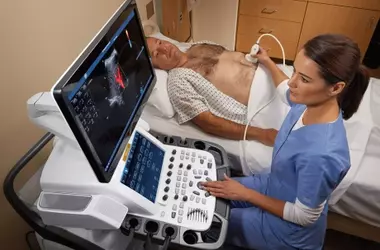
Ultrasound Imaging Systems: Principles, Technology, and Clinical Context
Ultrasound imaging systems, often referred to as diagnostic ultrasound or sonography devices, are medical tools that use high-frequency sound waves to visualize internal body structures. This article defines ultrasound imaging, outlines its purpose, and previews the discussion of its underlying physical principles, technological mechanisms, and broader applications. It further presents an objective overview of capabilities and limitations, followed by a summary, future outlook, and a structured question-and-answer section.
 By Dr. Felipe Torres
 Apr 09, 2026
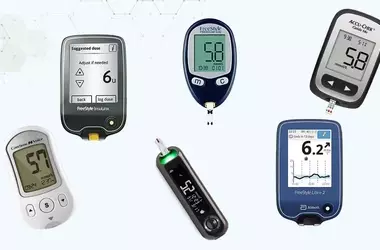
Blood Glucose Monitors: Principles, Measurement Methods, and Clinical Context
Blood glucose monitors are devices designed to measure the concentration of glucose in the blood, providing essential information for understanding metabolic status. This article defines what blood glucose monitoring is, explains how these devices function, explores their measurement mechanisms, and presents an objective discussion of their role in health management. It concludes with a summary, future outlook, and a structured question-and-answer section.
By Dr. Felipe Torres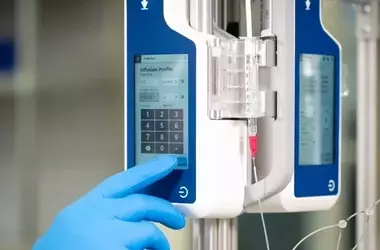 Apr 08, 2026
Infusion Pump: Mechanisms, Clinical Applications, and Technological Overview
This article provides a detailed overview of infusion pumps, medical devices used to deliver fluids, nutrients, and medications directly into a patient’s bloodstream in a controlled manner. It aims to explain the principles of infusion pump operation, clinical significance, key mechanisms, objective advantages and limitations, and potential technological developments. The discussion concludes with a question-and-answer section addressing common inquiries, offering a comprehensive understanding without promotional or subjective bias.
 By Grace Nwoye, MPH