ParentsKids
Teletherapy: A Transformative Solution for Youth Mental Health

The pandemic-driven shift to teletherapy has unexpectedly emerged as a powerful tool in addressing the mental health needs of children and adolescents. Initially perceived as a professional challenge, remote therapy not only bridged gaps caused by physical distance but also provided unique insights into patients' lives. Studies indicate that high-quality virtual care significantly impacts various mental health issues such as anxiety, depression, and PTSD, offering benefits comparable or superior to traditional face-to-face treatment.
A New Era in Mental Health Care
In the wake of a global health crisis, healthcare providers were compelled to adapt their practices. During this transformative period, clinicians discovered that teletherapy fostered meaningful connections with young patients. In an environment where safety and comfort were paramount, children opened up more freely about their struggles, even sharing cherished pets and personal belongings during sessions. This revelation highlighted teletherapy's potential as a critical lifeline for countless families.
Critical partnerships between schools and teletherapy providers have proven beneficial. Students referred for counseling experience improvements in attendance, reductions in behavioral problems, and shorter wait times for support. Clinically, teletherapy offers distinct advantages, particularly for anxious children who find solace at home. The ability to step away from the screen when overwhelmed empowers them to manage emotions effectively—a feature often unavailable during in-person sessions.
Beyond individual benefits, teletherapy addresses systemic barriers like transportation, scheduling conflicts, financial constraints, and limited access to specialized professionals. By enabling care delivery through digital platforms, it expands the reach of qualified clinicians, including those fluent in specific languages or experienced in niche areas. Such flexibility ensures equitable access to mental health services regardless of geographic location.
School counselors, stretched thin due to overwhelming caseloads, benefit immensely from virtual care. Collaborations among schools, providers, and families create a robust network supporting student well-being. However, successful implementation requires clinicians trained in adapting therapeutic techniques for online environments, incorporating interactive tools like games, role-playing, and guided drawing exercises.
Younger generations, accustomed to digital communication, demonstrate greater comfort with virtual interactions. Features like screen sharing, whiteboards, and online games enhance engagement, making therapy sessions more appealing. Although teletherapy may not replace all forms of in-person care, its scalability and effectiveness make it indispensable in addressing rising youth mental health challenges nationwide.
As we move forward, teletherapy will undoubtedly play a pivotal role in revolutionizing how mental health services are delivered to students across the country.
From a journalist's perspective, the rise of teletherapy exemplifies innovation within the healthcare sector. It underscores the importance of embracing technology to overcome traditional barriers and improve accessibility. For readers, this story serves as a reminder that progress often arises from adversity, and solutions can emerge where they are least expected. Teletherapy is not merely a stopgap measure; it represents a paradigm shift toward more inclusive and effective mental health care for future generations.
Pediatrician and author promoting attachment parenting and breastfeeding in the Spanish-speaking world.
Other Articles
 May 16, 2025
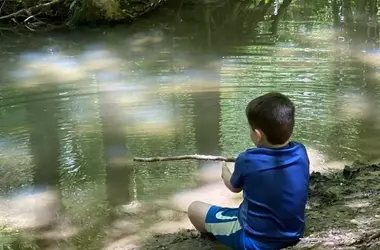
A Celebration of Nature: Encouraging Young Generations to Explore Parks
This Saturday, May 17, celebrates the 15th annual Kids to Parks Day, a national initiative promoting outdoor engagement for children and families. Endorsed by Indiana Gov. Mike Braun through an official proclamation, the day encourages participation in outdoor activities statewide. It provides opportunities for kids to learn about park stewardship, recreation, and cultural history, instilling a love for public lands. Numerous events are organized across Indiana, with resources available on the Indiana State Parks website. Families can access event details, explore the Children’s Outdoor Bill of Rights, and engage in the Hoosier Quest program to earn patches and pins.
By Tiffany Jewell May 16, 2025
A Step Backwards: The Controversial Cancellation of Ready to Learn Grants
For three decades, the U.S. Department of Education (DOE) has supported Ready to Learn (RTL) grants, promoting educational children's media through PBS KIDS programs like Sesame Street. These grants prioritize underserved children, offering accessible, high-quality content that fosters learning and inclusivity. However, the DOE recently terminated the 2020-2025 RTL grants and proposed eliminating the program in the 2026 budget, citing misalignment with administration priorities. This decision contradicts bipartisan support for RTL and its proven educational impact. Programs funded by RTL enhance literacy, representation, and accessibility for children with disabilities, while also addressing cultural diversity. The termination is seen as punitive, disregarding decades of research supporting the program's effectiveness in improving student outcomes.
By Cathy Glass May 16, 2025
The Evolution of Parenthood: A Humorous Perspective on Family Size
Tennessee dad Judson Veach has amused internet users with his comedic take on parenting one versus multiple children. In an Instagram reel, Veach humorously explains that while parenting one child is manageable, two children make life exponentially harder. However, parents of three or more seem to embrace a surprisingly relaxed chaos. Veach likens having one child to owning a dog, while two involves juggling focused attention. With three, he jokes about living carefree and oblivious, akin to characters in "Shutter Island." The viral reel resonated with many, sparking debates over the challenges of different family sizes. Veach, a self-described neurotic millennial parent, aims to teach his kids intrinsic self-worth despite the mayhem. His post garnered 3.8 million views and widespread agreement from parents worldwide.
By Dr. Benjamin Spock