ParentsKids
A Step Backwards: The Controversial Cancellation of Ready to Learn Grants

Recent actions by the Department of Education have sparked widespread concern regarding the future of educational media for children. A longstanding program designed to bridge educational gaps through innovative media content has been abruptly discontinued, leaving many questioning the motives behind this decision. For decades, the Ready to Learn (RTL) initiative has provided critical funding for public broadcasting services that create high-quality, educational content for young learners across the United States.
This program has historically supported a variety of projects aimed at fostering cognitive and social development in children from diverse backgrounds. One major focus has been on reaching underserved communities, ensuring that all children, regardless of their socioeconomic status or geographic location, have access to enriching educational resources. Through partnerships with organizations like PBS KIDS, RTL has produced iconic shows such as Sesame Street and Molly of Denali, which not only entertain but also empower children by presenting relatable characters and scenarios. These efforts align with broader educational goals, promoting literacy, collaboration, and cultural awareness among young audiences.
Despite its proven track record of success, the administration's rationale for cutting RTL funding centers around allegations of "divisive ideologies" within its programming. Critics argue that this perspective misrepresents the mission of RTL, which prioritizes inclusivity and meaningful learning experiences over political agendas. By eliminating these grants, the government risks undermining years of progress in delivering equitable educational opportunities to children nationwide. Instead of focusing on divisive rhetoric, there is an urgent need to embrace evidence-based strategies that enhance student outcomes and foster a more informed and inclusive society. The decision raises important questions about the role of education in shaping the next generation and whether current policies truly reflect the best interests of America’s youth.
Pseudonym for a foster carer and author of many memoirs offering insight into childcare and trauma.
Other Articles
 May 16, 2025
The Evolution of Parenthood: A Humorous Perspective on Family Size
Tennessee dad Judson Veach has amused internet users with his comedic take on parenting one versus multiple children. In an Instagram reel, Veach humorously explains that while parenting one child is manageable, two children make life exponentially harder. However, parents of three or more seem to embrace a surprisingly relaxed chaos. Veach likens having one child to owning a dog, while two involves juggling focused attention. With three, he jokes about living carefree and oblivious, akin to characters in "Shutter Island." The viral reel resonated with many, sparking debates over the challenges of different family sizes. Veach, a self-described neurotic millennial parent, aims to teach his kids intrinsic self-worth despite the mayhem. His post garnered 3.8 million views and widespread agreement from parents worldwide.
By Dr. Benjamin Spock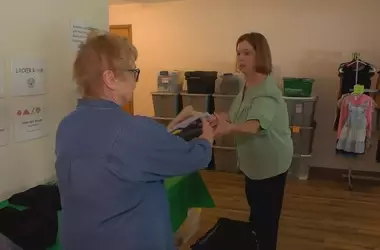 May 16, 2025
Community Compassion: Expanding Support for Local Schools
Branches of Washington, initially a small community initiative, has expanded to support five local schools monthly with essential items like food, clothing, and hygiene products. Recognizing unmet needs within the community, Branches collaborates with school districts to provide Care Closets, helping students focus on learning rather than basic necessities. One such closet, Wildcat Cares at John L. Hensey School, exemplifies their impact. Based near Sunnyland Christian Church, the organization may soon outgrow its space due to increasing donations. While Care Closets pause during summer breaks, Branches continues addressing specific requests year-round. This growth reflects successful community engagement and support for student well-being.
By Dr. Carlos González May 16, 2025
A Balanced Approach to Promoting Children's Health in America
Registered dietitian Michelle Jaelin supports the Make America Healthy Again (MAHA) Commission's aim to reverse childhood chronic diseases by promoting comprehensive health solutions. She emphasizes addressing core factors like nutrition access, physical activity, safe environments, and sufficient sleep. Jaelin advocates for affordable healthy food availability facilitated by modern agriculture, including responsible pesticide use, which is strictly regulated for safety. She warns against fear-mongering about pesticide residues, as it may deter families from consuming fresh produce and increase food costs. To foster healthier children, she urges the MAHA Commission to adopt an evidence-based approach, engaging experts across disciplines and ensuring policies align with scientific understanding and family needs.
By Michele Borba