News
Tariff Troubles: How Trade Policies are Impacting Automotive Giants' Profits

General Motors has recently disclosed a substantial financial setback, attributing a $1.1 billion impact to the current tariff regime. This figure translates into a notable decline in the company's profit margin, plummeting from a healthy 9% to 6.1%, signaling a considerable deviation from its financial objectives. The company's chief financial officer indicated that despite ongoing efforts, the ability to offset these costs has been minimal. However, GM is actively pursuing a multi-faceted approach, including strategic manufacturing changes, targeted cost reduction initiatives, and potential adjustments to consumer pricing, aiming to recoup at least 30% of the anticipated $4 to $5 billion full-year tariff impact by 2025.
The broader automotive sector is grappling with the complexities of evolving trade policies, characterized by their unpredictable and frequently shifting nature. This volatility poses significant challenges for manufacturers like GM, which continues to import popular models, such as those from Korea, despite a 25% tariff, due to strong consumer demand. The financial markets have reacted sharply to these developments, with GM's stock experiencing a 6% drop following its earnings announcement, underscoring investor concerns. Other major players in the industry, like Stellantis, have also reported considerable tariff payments and have resorted to production adjustments to circumvent these charges, leading to a decrease in vehicle shipments. These industry-wide trends suggest that, for now, car manufacturers are largely absorbing the tariff burden directly, rather than passing the full cost onto consumers who are already contending with escalating vehicle prices, averaging close to $49,000 for new cars.
This challenging environment, where businesses absorb a larger share of the increased costs instead of fully transferring them to the consumer, inevitably impacts profitability if sustained. The automotive industry's resilience is being tested by these external economic pressures, requiring strategic innovation and adaptability. It underscores the critical need for robust business models that can navigate global trade uncertainties while continuing to deliver value and maintain a competitive edge. This period of adjustment highlights how global economic policies ripple through specific industries, affecting corporate strategies, market dynamics, and ultimately, the consumers.
Veteran BBC and OZY journalist, author, and commentator on US politics and women's issues.
Other Articles
 Jul 22, 2025
U.S. Announces Withdrawal from UNESCO, Citing Divisive Agendas
The United States, under the Trump administration, has announced its intention to withdraw from UNESCO, an international body focused on education, science, and culture. This decision, slated to take effect in late 2026, marks another departure from the organization, driven by concerns over its engagement with 'divisive social and cultural causes' and the inclusion of Palestine as a member state. This move reverses the Biden administration's recent efforts to rejoin and financially support the agency.
By Christianne Amanpour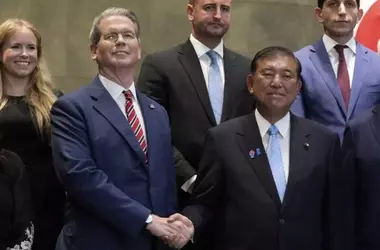 Jul 23, 2025
US and Japan Ink New Trade Agreement, Signaling Shift in Global Commerce
President Donald Trump has announced a new trade agreement with Japan, setting a 15% import tax on Japanese goods, a significant reduction from the previously threatened 25%. This move is expected to create numerous jobs and strengthen the economic ties between the two nations, with Japan committing substantial investment in the U.S. and opening its markets to American automotive and agricultural products. Japanese Prime Minister Shigeru Ishiba welcomed the deal, emphasizing its mutual benefits. This agreement underscores Trump's strategy to utilize tariffs as a negotiation tool, aiming to rebalance trade relationships and foster domestic manufacturing growth, even as concerns about potential consumer price increases and corporate profitability persist.
By Rageh Omaar Jul 22, 2025
AFP Appeals to Israel for Journalists' Gaza Exit Amid Starvation Crisis
Agence France-Presse (AFP) has urged the Israeli government to facilitate the departure of its freelance journalists from the Gaza Strip due to severe food shortages. The journalists are reportedly suffering from hunger, leading to physical weakening and hindering their ability to report. This plea highlights the dire humanitarian situation in Gaza, where widespread malnutrition is rampant, and access for international journalists remains restricted.
By Ann Curry