News
RFK Jr.'s Campaign Against Artificial Food Dyes: The M&M's Hurdle

Robert F. Kennedy Jr., serving as Health Secretary, has embarked on a mission to eliminate synthetic food dyes from the nation's diet. This initiative, launched merely three months ago, has already garnered significant traction, with major players in the food industry such as Kraft Heinz, General Mills, Nestle, ConAgra, and PepsiCo agreeing to phase out these artificial colorings by the close of 2027. However, a formidable adversary remains: the confectionery sector, particularly iconic brands like M&M's, which heavily depend on these vibrant synthetic additives for their consumer appeal, especially to children. This stance from candy manufacturers underscores the challenges faced by the secretary's voluntary approach, despite its initial successes in influencing other segments of the food industry.
Secretary Kennedy's endeavor to purge petroleum-based dyes from food products aligns with his broader vision of fostering a healthier America, a movement he has dubbed “Make America Healthy Again.” Upon assuming his role at the Department of Health and Human Services, he swiftly identified synthetic dyes as a primary target, citing scientific research that suggests a correlation between these additives and behavioral issues in children. In April, Kennedy announced an understanding with food producers to remove these dyes by the end of 2026. Despite initial skepticism regarding his non-regulatory strategy, the peer pressure exerted by his campaign has yielded considerable results, convincing several prominent food companies to commit to the change. This success highlights the potential of collaborative efforts between government and industry, even without stringent mandates, when underpinned by public health concerns and scientific evidence.
Nevertheless, the path to a dye-free food landscape is not without its hurdles. The confectionery industry, a significant user of artificial colorings, has largely resisted Kennedy's call. For brands like M&M's, artificial colors are integral to their product identity and marketing, particularly given their target demographic of children. The vivid hues of candies are a key element of their appeal, and transitioning to natural alternatives presents a complex challenge, both in terms of maintaining visual attractiveness and ensuring product stability. This resistance from candy makers exemplifies the commercial realities that can impede public health initiatives, suggesting that persuasion alone may not be sufficient to achieve universal compliance within industries deeply reliant on the very ingredients being targeted.
The ongoing push by Health Secretary Robert F. Kennedy Jr. to eradicate synthetic food dyes from American consumables continues to unfold. While substantial progress has been made in securing the commitment of several leading food manufacturers, the confectionery industry, spearheaded by major brands like M&M's, presents a notable exception. This sector's reluctance to abandon artificial colorings highlights a significant frontier in the broader campaign to improve public health through dietary modifications. The success of this initiative will ultimately depend on overcoming such entrenched industry practices, balancing health objectives with commercial considerations, and perhaps, the evolving preferences of consumers towards more natural food ingredients.
CNN anchor known for his coverage of major global events and sober, factual delivery.
Other Articles
 Jul 07, 2025
Unexpected Comfort: A Subway Encounter in the Midst of Grief
In a poignant moment on a bustling subway, a woman navigating the profound grief of her sister's sudden passing finds solace in an unexpected conversation with a stranger. This brief, yet deeply impactful, interaction highlights the power of human connection in times of sorrow, offering a glimpse into how simple acts of kindness can provide immense comfort and a sense of shared humanity when it's needed most.
By Christianne Amanpour Jul 07, 2025
Trump Administration Set to Announce New Tariff Rates Amidst Shifting Trade Policies
The Trump administration is poised to unveil its latest tariff rates this week, with these new duties expected to take effect on August 1st. This development follows a period of fluctuating trade policies and attempts to secure bilateral agreements, often characterized by swift, unconventional negotiations. The tariffs, intended as a response to perceived protectionist measures by other nations, will largely be borne by American businesses and consumers through increased costs on imported goods.
By Carl Bernstein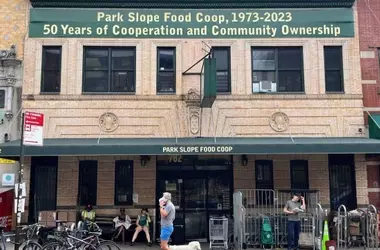 Jul 07, 2025
Brooklyn Co-op Grapples with Deep Divisions Over Gaza Conflict and Boycott Debates
The Park Slope Food Co-op in Brooklyn, a long-standing community institution, has been deeply fractured by debates surrounding the Israel-Gaza conflict. Members are clashing over a proposed boycott of Israeli products, leading to allegations of antisemitism and discrimination. Despite the turmoil, the co-op continues to operate, albeit under significant internal pressure, as members navigate complex socio-political issues within their cooperative framework. Recent elections reflect the ongoing struggle for influence over the co-op's future direction.
By Lester Holt