Medical Devices
Pulse Oximeter: A Neutral, Scientific Overview

Clear Objective: Defining the Core Concept
A pulse oximeter is a non-invasive medical monitoring device designed to estimate arterial oxygen saturation (commonly expressed as SpO₂) and pulse rate by analyzing light absorption in blood-perfused tissue. This article examines what a pulse oximeter measures, how it works, what physiological principles it relies on, and what factors influence its readings. The discussion proceeds through foundational concepts, core mechanisms, broader contextual considerations, and concludes with a summary and frequently asked questions.
Basic Concept Analysis
Oxygen saturation refers to the proportion of hemoglobin molecules in the blood that are bound to oxygen. In healthy adults at sea level, arterial oxygen saturation is commonly reported within a range of approximately 95% to 100%. A pulse oximeter provides an indirect estimate of this value using optical methods rather than direct blood sampling.
Pulse oximeters are typically applied to peripheral body sites such as the fingertip, earlobe, or toe. They are used in clinical environments, public health research, and physiological studies to observe trends in oxygenation and pulse rate over time. The device does not measure oxygen pressure directly and does not replace laboratory-based arterial blood gas analysis.
Core Mechanism and In-Depth Explanation
The operating principle of a pulse oximeter is based on photoplethysmography and spectrophotometry. The device emits light at two primary wavelengths—commonly red light (around 660 nm) and infrared light (around 940 nm)—through a vascular tissue bed. Oxygenated hemoglobin and deoxygenated hemoglobin absorb these wavelengths differently.
As arterial blood volume fluctuates with each heartbeat, the changing light absorption is detected by a photodiode. By isolating the pulsatile component of blood flow and comparing the absorption ratios of the two wavelengths, the device estimates oxygen saturation using empirically derived calibration curves.
International technical standards specify acceptable accuracy ranges. For example, many medical-grade pulse oximeters are evaluated for accuracy within a specified error margin across an SpO₂ range of approximately 70% to 100% under controlled conditions. These standards are established through comparison with arterial blood gas measurements in human subjects.
Presenting the Full Picture and Objective Discussion
Although pulse oximeters are widely used, their readings can be influenced by multiple factors. Reduced peripheral perfusion, motion artifacts, ambient light interference, nail coverings, and variations in skin pigmentation have all been shown to affect measurement accuracy under certain conditions. Scientific literature has documented that accuracy may decrease at lower saturation levels or during physiological instability.
Pulse oximeters also do not provide information about carbon dioxide levels, ventilation efficiency, or the underlying cause of hypoxemia. As a result, oxygen saturation values must be interpreted within a broader clinical or physiological context rather than in isolation.
From a regulatory perspective, pulse oximeters are classified as medical devices in many jurisdictions, and their design, testing, and labeling are subject to oversight by health authorities and international standardization bodies.
Summary and Outlook
Pulse oximeters represent a well-established application of optical physics and human physiology, offering a non-invasive method to estimate oxygen saturation and pulse rate. Their usefulness lies in trend observation and supplemental monitoring rather than definitive diagnosis. Ongoing research continues to examine accuracy across diverse populations and conditions, contributing to refinements in standards, algorithms, and interpretation frameworks.
Questions and Answers
What does a pulse oximeter measure?
It estimates arterial oxygen saturation (SpO₂) and pulse rate using light absorption characteristics of hemoglobin.
Does a pulse oximeter measure blood oxygen directly?
No. It provides an indirect optical estimate rather than a direct chemical measurement.
Are readings always exact?
No. Accuracy depends on physiological conditions, device design, and adherence to standardized testing environments.
Can pulse oximetry replace laboratory testing?
No. It serves as a supplementary monitoring method and does not replace arterial blood gas analysis.

Other Articles
 Feb 02, 2026
Cardiac Pacemakers: A Scientific Overview of Principles, Mechanisms, and Clinical Context
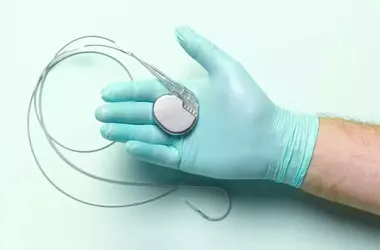
Cardiac pacemakers are implantable medical devices that regulate heart rhythm by delivering controlled electrical impulses to cardiac tissue. This article presents a neutral, science-based overview of pacemaker fundamentals, including cardiac electrical physiology, device structure, and pacing mechanisms. The discussion is intended solely for educational purposes and provides a structured framework for understanding the role of pacemakers within cardiovascular science.
 By Grace Nwoye, MPH
 Feb 02, 2026
Ventilators: A Scientific Overview of Principles, Mechanisms, and Clinical Context
Mechanical ventilators are medical devices that assist or replace spontaneous breathing by facilitating controlled airflow into and out of the lungs. This article provides a structured, neutral overview of ventilators, including their definitions, classifications, operating mechanisms, and clinical context. It examines both the functional benefits and the recognized limitations of mechanical ventilation, offering a comprehensive scientific perspective intended solely for information dissemination and foundational understanding.
 By Dr. Marcus Lee
 Jan 30, 2026
Portable Oxygen Concentrators: A Scientific Overview of Principles, Technology, and Clinical Context
Portable oxygen concentrators are medical devices that supply oxygen-enriched air by separating oxygen from ambient air using adsorption-based technologies. This article provides a neutral, scientific overview of their purpose, operating principles, system components, and application contexts. By examining both functional mechanisms and limitations, the article aims to support general understanding of portable oxygen concentrators within modern oxygen therapy systems.
 By Anjali Deshpande