Professional skills
Plumber Courses: Educational Structure, Technical Scope, and Occupational Context

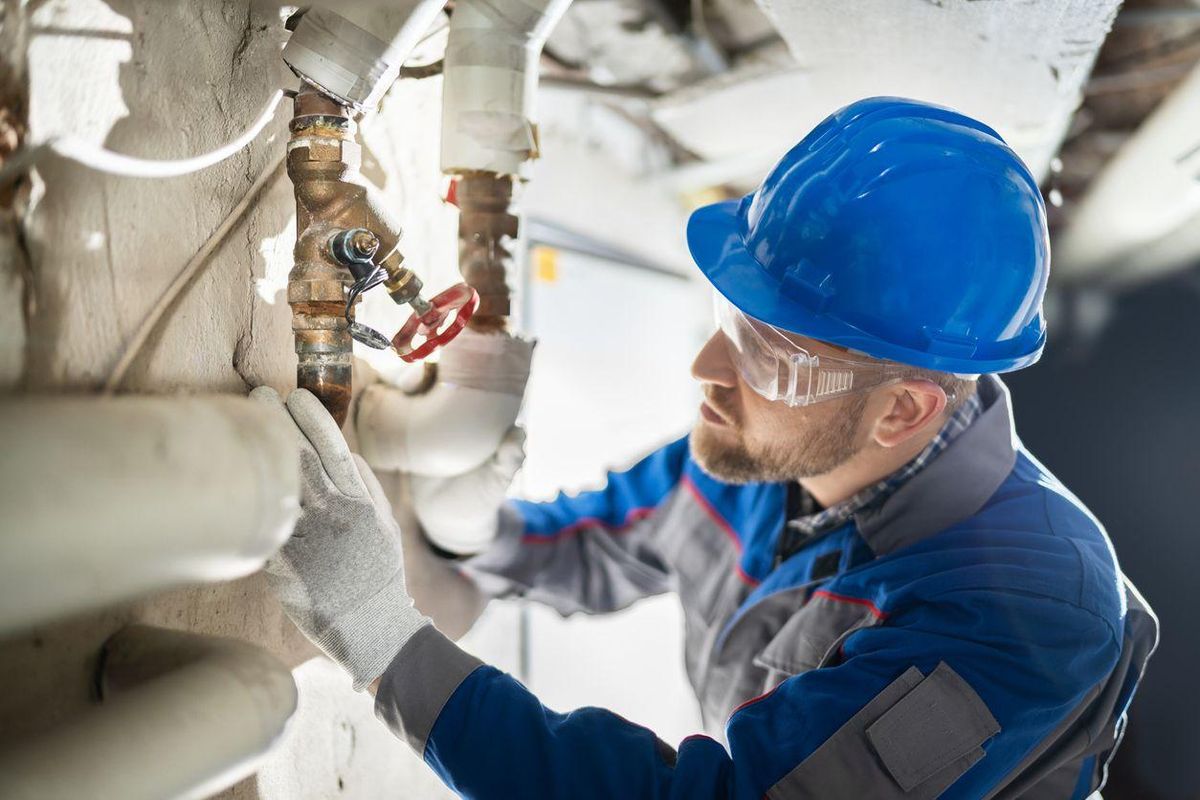
Plumber courses refer to structured educational programs that provide instruction related to plumbing systems, installation methods, maintenance practices, and safety standards. The term describes organized learning pathways rather than informal skill acquisition or specific employment outcomes.
This article presents an objective overview of plumber courses by examining their educational purpose, common instructional formats, core technical subjects, and the broader regulatory and occupational context in which they exist.
Purpose and Scope of Plumber Courses
Plumber courses are designed to develop foundational knowledge and practical understanding of plumbing systems used in residential, commercial, and industrial environments. The scope of instruction varies depending on course level, regulatory requirements, and institutional framework.
General educational objectives may include:
- Understanding water supply and drainage systems
- Learning pipe materials, fittings, and joining methods
- Familiarity with plumbing tools and equipment
- Awareness of safety procedures and technical standards
- Introduction to system layout and basic troubleshooting concepts
Course scope is determined by curriculum design rather than a single global standard.
Common Instructional Formats
Plumber courses are offered through a range of structured learning formats, including:
- Vocational and Technical Training ProgramsInstitution‑based courses focused on technical instruction and applied learning.
- Apprenticeship‑Related EducationClassroom or workshop instruction that complements supervised workplace training.
- Trade and Community Education CentersPrograms delivered through public or private skills‑training institutions.
- Blended Learning ModelsInstruction combining classroom teaching with practical demonstrations or simulations.
The availability and structure of these formats depend on regional education systems and regulatory frameworks.
Core Curriculum Components
Plumber course curricula typically include instruction across several technical and theoretical areas:
- Plumbing Systems FundamentalsWater distribution, drainage, and venting systems.
- Materials and ComponentsPipes, valves, fixtures, and fittings made from various materials.
- Installation and Maintenance PracticesProcedures related to assembling, inspecting, and maintaining plumbing systems.
- Blueprints and Technical DrawingsReading and interpreting construction or system layout plans.
- Safety and Regulatory AwarenessGeneral instruction on workplace safety practices and applicable codes or standards.
Curriculum depth and emphasis vary according to program objectives and training level.
Regulatory and Occupational Context
Plumbing education operates within regulated occupational and construction environments. In many regions, plumbing work is subject to licensing or certification requirements that are governed by local or national authorities.
Organizations that provide general guidance on labor standards and occupational safety include:
- International Labour Organization (ILO)https://www.ilo.org
- Occupational Safety and Health Administration (OSHA)https://www.osha.gov
These organizations support safety and labor frameworks but do not provide individual plumbing certifications.
Summary and Outlook
Plumber courses represent structured educational pathways that support technical understanding of plumbing systems, materials, and safety practices. By combining theoretical instruction with applied learning, such courses contribute to standardized skill development within regulated trade environments.
As building technologies, materials, and regulatory standards evolve, plumbing education frameworks may continue to adapt to reflect changes in industry practices and technical requirements.
Common Questions
What are plumber courses?
They are structured educational programs focused on plumbing systems, tools, and safety principles.
Are plumber courses the same everywhere?
No. Course content and requirements vary by region and regulatory authority.
Do plumber courses include practical instruction?
Many programs combine theoretical learning with hands‑on or applied components.
Are plumbing standards part of the curriculum?
Courses often include general awareness of technical standards and safety guidelines.
Are plumber courses part of vocational education?
They are commonly offered within vocational or technical training systems.

Data analytics consultant and trainer, expert in Python, SQL, and visualizing insights for business.
Exploration ArchivesOther Articles
 Dec 23, 2025
Photography Schools: Educational Focus, Core Curriculum, and Professional Context
Photography schoolsrefer to educational institutions or programs that provide structured instruction in photographic theory, techniques, and visual communication. The term broadly encompasses learning environments that offer organized coursework related to photography rather than informal or self‑directed practice.
 By Natalia Petrova
 Dec 23, 2025
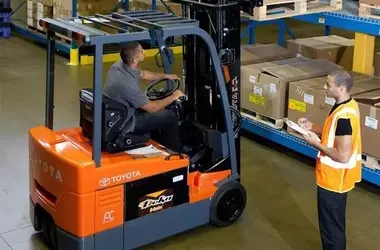
Forklift Training Certification: Purpose, Training Components, and Workplace Context
Forklift training certificationrefers to a structured process through which individuals receive instruction and assessment related to the operation of powered industrial trucks, commonly known as forklifts. The term describes a form of occupational training focused on safety awareness, equipment knowledge, and operational procedures rather than a guarantee of employment or specific job outcomes.
 By Anika Patel
 Dec 23, 2025
Online Animation Courses: Educational Structure, Core Skills, and Learning Context
Online animation coursesrefer to structured educational programs delivered through digital platforms that focus on the principles, techniques, and tools used in animation. The term emphasizes remote access and online delivery rather than a specific institution, credential outcome, or professional guarantee.
 By Youssef Khoury