Professional skills
Forklift Training Certification: Purpose, Training Components, and Workplace Context

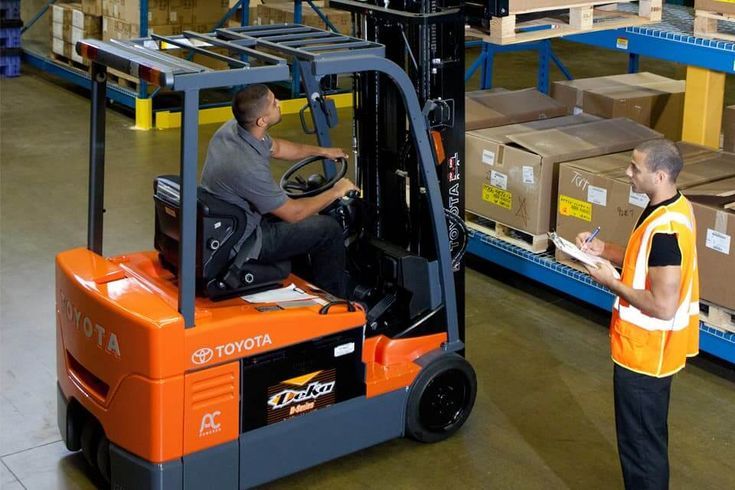
Forklift training certification refers to a structured process through which individuals receive instruction and assessment related to the operation of powered industrial trucks, commonly known as forklifts. The term describes a form of occupational training focused on safety awareness, equipment knowledge, and operational procedures rather than a guarantee of employment or specific job outcomes.
This article provides an objective overview of forklift training certification by outlining its purpose, typical training components, evaluation methods, and its role within workplace safety and regulatory frameworks.
Purpose and Scope of Forklift Training Certification
The primary purpose of forklift training certification is to support safe and informed operation of industrial lifting equipment in work environments such as warehouses, manufacturing facilities, and logistics centers.
The scope of such training commonly includes:
- Understanding basic forklift functions and controls
- Awareness of workplace safety practices
- Familiarity with operational environments and load handling
- Recognition of potential operational risks
Certification indicates that training and assessment have taken place according to defined standards, which may vary by jurisdiction.
Core Training Components
Forklift training certification programs generally include a combination of theoretical instruction and practical exposure. Common components may involve:
Equipment Fundamentals
Overview of forklift types, components, and operating principles.
Safety Principles
Instruction related to load stability, visibility, pedestrian awareness, and operating surfaces.
Operational Procedures
Guidance on starting, maneuvering, lifting, stacking, and parking procedures.
Workplace Policies
Introduction to site‑specific rules, signage, and traffic management practices.
The depth and structure of these components depend on regulatory requirements and training frameworks.
Assessment and Evaluation Methods
Certification processes typically involve evaluation to confirm understanding and competence. Common assessment methods may include:
- Written or digital knowledge checks
- Practical demonstrations of equipment operation
- Observation under supervised conditions
Assessment criteria are defined by training standards rather than individual preference.
Regulatory and Occupational Context
Forklift training certification exists within broader occupational safety and labor regulations. Many regions require employers to ensure that forklift operators receive appropriate training and evaluation before operating equipment in the workplace.
Organizations that provide general guidance on workplace safety and industrial equipment operation include:
- Occupational Safety and Health Administration (OSHA)https://www.osha.gov
- International Labour Organization (ILO) – Occupational Safety and Healthhttps://www.ilo.org
These organizations establish or support safety frameworks but do not issue individual certifications directly.
Summary and Outlook
Forklift training certification represents a structured approach to developing awareness and operational understanding related to powered industrial trucks. By combining instructional content with evaluation, such certification supports standardized safety practices within regulated work environments.
As workplace technologies and safety standards evolve, forklift training frameworks may continue to adapt to reflect updated equipment designs and operational requirements.
Common Questions
What does forklift training certification mean?
It refers to documented training and assessment related to forklift operation and safety.
Is forklift training the same everywhere?
No. Training content and certification requirements vary by region and regulatory authority.
Does certification focus only on equipment operation?
Training often includes both operational procedures and workplace safety principles.
Who oversees forklift training standards?
Standards are typically influenced by occupational safety authorities and labor regulations.
Is forklift training part of workplace safety programs?
Yes. It is commonly integrated into broader occupational safety and compliance systems.

Data analytics consultant and trainer, expert in Python, SQL, and visualizing insights for business.
Exploration ArchivesOther Articles
 Dec 23, 2025
Online Animation Courses: Educational Structure, Core Skills, and Learning Context
Online animation coursesrefer to structured educational programs delivered through digital platforms that focus on the principles, techniques, and tools used in animation. The term emphasizes remote access and online delivery rather than a specific institution, credential outcome, or professional guarantee.
 By Youssef Khoury
 Dec 22, 2025
Vocational Training: Educational Purpose, Core Structure, and Workforce Context
Vocational trainingrefers to structured education and instruction focused on developing practical skills and applied knowledge related to specific occupations or industries. It is designed to support skill acquisition aligned with defined job functions rather than broad academic study.
 By Antoine Dubois
 Dec 22, 2025
Online Culinary School: Educational Structure, Core Knowledge, and Learning Context
Anonline culinary schoolrefers to an education model in which culinary‑related knowledge and skills are delivered primarily through digital platforms rather than traditional, on‑site classroom kitchens. These programs focus on theoretical instruction, procedural understanding, and professional context related to food preparation, kitchen operations, and culinary concepts.
 By Robert Thorne