Medical Devices
Mechanical Ventilators: Principles, Functions, and Clinical Contexts

1. Objective Definition
A mechanical ventilator is a system that supports respiratory function by moving breathable gas into the lungs and facilitating gas exchange. It is commonly used when natural breathing is insufficient to maintain adequate oxygenation or carbon dioxide removal.
The objective of this article is to clarify what mechanical ventilators are, how they function, and in which medical scenarios they are applied. It also aims to explain the physiological and technical mechanisms involved, outline their benefits and limitations, and provide a comprehensive, neutral understanding of their role in healthcare.
2. Basic Concept Analysis
Mechanical ventilation involves the use of positive pressure to deliver air or an oxygen-enriched mixture into the lungs. This differs from natural breathing, which relies on negative pressure generated by the diaphragm.
Key components of a ventilator system include:
- Gas delivery system (air and oxygen supply)
- Control system (regulates pressure, volume, and timing)
- Patient interface (endotracheal tube, tracheostomy, or mask)
- Monitoring system (tracks respiratory parameters)
Ventilation modes vary depending on how breaths are delivered and controlled. Common categories include:
- Volume-controlled ventilation (fixed tidal volume)
- Pressure-controlled ventilation (fixed inspiratory pressure)
- Assist-control ventilation (patient-triggered or machine-triggered breaths)
- Non-invasive ventilation (mask-based support without intubation)
3. Core Mechanisms and In-Depth Explanation
Gas Exchange Physiology
The primary goal of ventilation is to support gas exchange in the lungs. Oxygen enters the bloodstream through the alveoli, while carbon dioxide is removed. Mechanical ventilation ensures that sufficient airflow reaches the alveoli to maintain this exchange.
Pressure and Volume Control
Ventilators regulate either the volume of air delivered per breath (tidal volume) or the pressure applied during inhalation. These parameters are adjusted based on patient needs and clinical goals.
Timing and Synchronization
Ventilators control the timing of breaths, including inspiratory and expiratory phases. Synchronization with the patient’s own breathing efforts is important to reduce discomfort and improve efficiency.
Monitoring and Feedback
Modern ventilators continuously monitor parameters such as:
- Airway pressure
- Tidal volume
- Respiratory rate
- Oxygen concentration
Feedback systems allow adjustments in real time to maintain target values.
Safety Mechanisms
Alarms are integrated to detect issues such as high pressure, low volume, or disconnection. These alerts are intended to prompt timely intervention.
4. Comprehensive Overview and Objective Discussion
Clinical Applications
Mechanical ventilators are used in various medical contexts, including:
- Acute respiratory failure
- Surgical anesthesia support
- Chronic respiratory conditions requiring assistance
- Emergency and critical care environments
According to data from the National Institutes of Health, mechanical ventilation is a common intervention in intensive care units, with a significant proportion of critically ill patients requiring respiratory support at some point during treatment.
Benefits
- Supports oxygenation and ventilation when natural breathing is inadequate
- Allows precise control of respiratory parameters
- Enables stabilization during critical illness or surgery
- Provides time for underlying conditions to be addressed
Limitations
- Risk of ventilator-associated complications, such as lung injury or infection
- Potential for patient-ventilator asynchrony
- Requirement for trained personnel to manage settings and interpretation
- Dependence on equipment and infrastructure
Ethical and Operational Considerations
The use of mechanical ventilation may involve complex decisions, particularly in long-term or end-of-life care. Considerations include patient preferences, quality of life, and resource availability.
5. Summary and Outlook
Mechanical ventilators are essential tools in modern medicine, providing life-sustaining support in situations where respiratory function is compromised. Their operation is based on principles of gas exchange, pressure regulation, and continuous monitoring.
Future developments are expected to focus on:
- Improved synchronization between patient and device
- Advanced monitoring and predictive analytics
- Enhanced portability and home-use options
- Integration with digital health systems
These advancements may contribute to more individualized respiratory support, although their effectiveness depends on appropriate clinical application.
6. Q&A Section
Q1: Do mechanical ventilators replace natural breathing completely?
In some cases, they fully replace spontaneous breathing, while in others they provide partial assistance depending on the patient’s condition.
Q2: What is the difference between invasive and non-invasive ventilation?
Invasive ventilation uses an internal airway device such as an endotracheal tube, while non-invasive ventilation uses external masks.
Q3: Can mechanical ventilation cause complications?
Complications may include lung injury, infections, or discomfort related to airway devices.
Q4: How are ventilator settings determined?
Settings are based on clinical assessment, including lung function, blood gas measurements, and overall condition.
Q5: Is mechanical ventilation always used in critical illness?
Not all critically ill individuals require ventilation; its use depends on specific respiratory needs.
References (Links Only)
https://www.ncbi.nlm.nih.gov/books/NBK539742/
https://www.fda.gov/medical-devices/general-hospital-devices-and-supplies/mechanical-ventilators
https://www.ncbi.nlm.nih.gov/pmc/articles/PMC8143407/
https://www.atsjournals.org/doi/full/10.1164/rccm.201908-1581C

Other Articles
 Apr 07, 2026
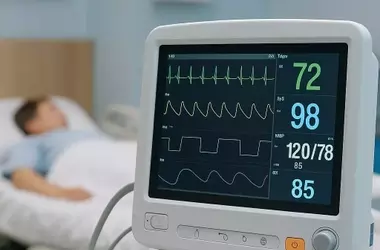
Understanding Patient Monitors: Principles, Functions, and Clinical Contexts
A patient monitor is a medical device designed to continuously measure and display vital physiological parameters such as heart rate, blood pressure, oxygen saturation, and respiratory rate. This article provides a structured overview of patient monitors, including their purpose, underlying principles, operational mechanisms, clinical roles, limitations, and future directions. It also addresses common questions regarding their use and interpretation in healthcare settings.
 By Grace Nwoye, MPH
 Apr 03, 2026
Understanding Oxygen Concentrators: Mechanisms, Uses, and Considerations
An oxygen concentrator is a medical device designed to deliver supplemental oxygen by extracting it from ambient air. This article defines what oxygen concentrators are and outlines their purpose, working principles, types, and broader considerations. It further explores how these devices function at a technical level, where they are typically used, and what limitations and debates surround their use. The structure follows a systematic path: defining the objective, explaining foundational concepts, examining core mechanisms, presenting a balanced overview, and concluding with key reflections and a question-and-answer section.
 By Dr. Peter Van Dijk
 Apr 01, 2026
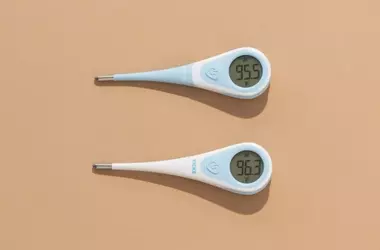
Understanding Thermometers: Principles, Measurement Methods, and Practical Contexts
A thermometer is a device used to measure temperature, a fundamental physical quantity relevant to human health, environmental monitoring, and industrial processes. This article explains what thermometers are, the different types available, how they function, and the mechanisms behind temperature measurement. It further examines accuracy, limitations, and real-world applications, followed by a balanced discussion and a structured question-and-answer section.
By Dr. Peter Van Dijk