Medical Devices
Understanding Patient Monitors: Principles, Functions, and Clinical Contexts

1. Objective Definition
A patient monitor, often referred to as a bedside or vital signs monitor, is a system that collects, processes, and displays real-time physiological data from an individual. These devices are widely used in hospitals, clinics, and sometimes home-care environments to observe changes in health status.
The purpose of this article is to clarify what patient monitors are, how they function, and in which contexts they are used. It also aims to explain the mechanisms behind the measurements, discuss their clinical value and limitations, and provide a balanced overview without making evaluative or promotional claims.
Relatedsearches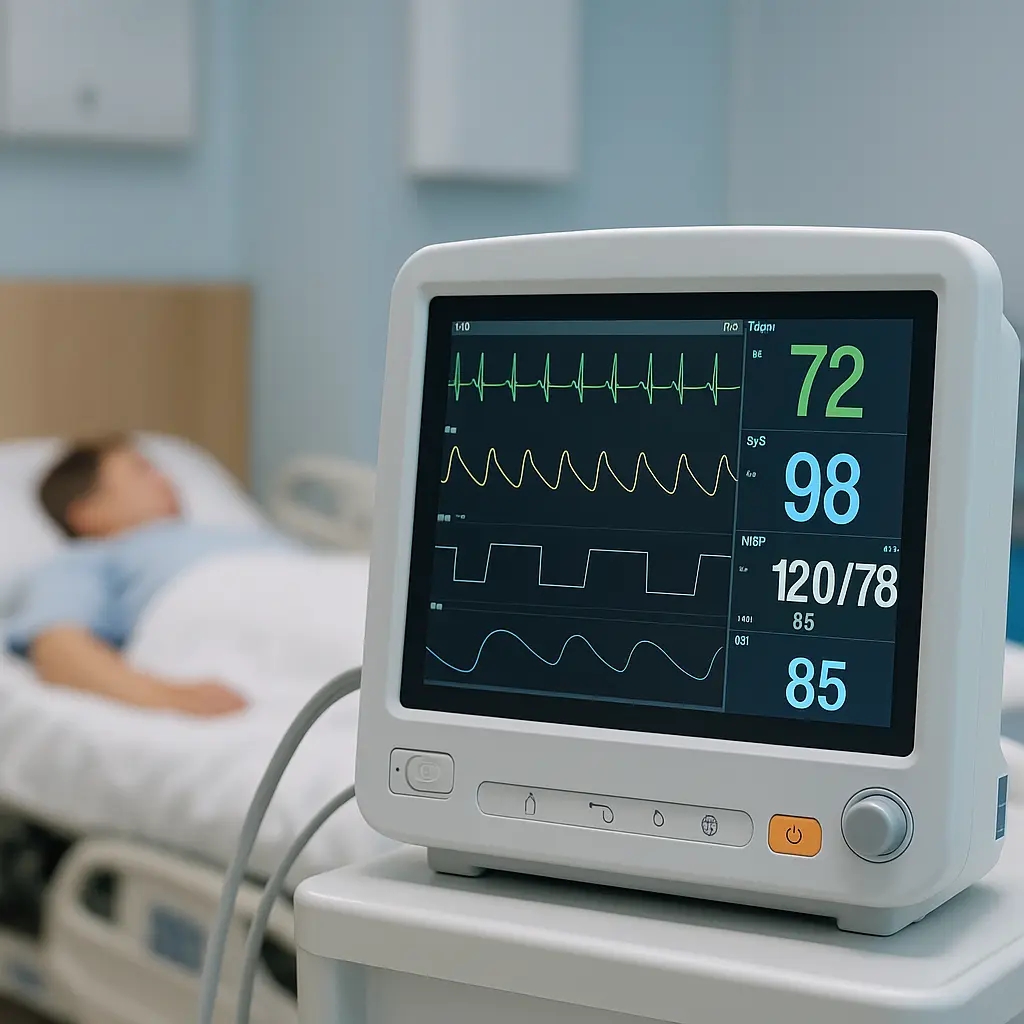
2. Basic Concept Analysis
Patient monitors are composed of sensors, processing units, and display interfaces. Sensors are attached to the body to collect physiological signals. These signals are then converted into electrical data, processed through algorithms, and presented visually or audibly.
Common parameters measured include:
- Electrocardiogram (ECG) for heart activity
- Blood pressure (non-invasive or invasive)
- Oxygen saturation (SpO₂) using pulse oximetry
- Respiratory rate
- Body temperature
Monitoring can be continuous or intermittent. Continuous monitoring is typical in intensive care units, while intermittent monitoring is more common in outpatient or general ward settings.
Patient monitors can be classified into several categories:
- Bedside monitors: used in hospital environments
- Portable monitors: used during transport or in emergency care
- Wearable monitors: designed for ambulatory or home use
3. Core Mechanisms and In-Depth Explanation
Signal Acquisition
Each physiological parameter requires a specific sensing technology. For example:
- ECG uses electrodes placed on the skin to detect electrical activity of the heart.
- Pulse oximetry uses light absorption at different wavelengths to estimate oxygen saturation.
- Blood pressure monitors may use oscillometric methods to detect arterial wall motion.
Signal Processing
Raw signals collected from the body are often subject to noise and interference. Signal processing algorithms filter and refine the data to produce reliable readings. For instance, motion artifacts in pulse oximetry are reduced using adaptive filtering techniques.
Data Integration and Display
Modern monitors integrate multiple data streams into a single interface. Waveforms, numerical values, and alarm systems are presented simultaneously. Alarms are triggered when parameters exceed predefined thresholds.
Connectivity and Data Storage
Many monitors are integrated with hospital information systems. Data can be stored, analyzed over time, and accessed remotely. This supports longitudinal observation and clinical decision-making.
4. Comprehensive Overview and Objective Discussion
Clinical Applications
Patient monitors are used in various settings:
- Intensive care units for critically ill individuals
- Operating rooms for anesthesia monitoring
- Emergency departments for acute assessment
- General wards for routine observation
Continuous monitoring has been associated with earlier detection of physiological deterioration in some clinical contexts. According to research published by the National Institutes of Health, early warning systems based on monitored data can support timely interventions.
Benefits
- Real-time data availability
- Early detection of abnormal trends
- Support for clinical decision-making
- Integration with electronic health records
Limitations
- False alarms are common, which may contribute to alarm fatigue
- Accuracy can be affected by motion, poor sensor placement, or environmental factors
- Over-reliance on monitored data may reduce emphasis on clinical examination
- Data interpretation requires trained personnel
Ethical and Operational Considerations
The use of monitoring devices raises questions about data privacy, patient autonomy, and resource allocation. In some settings, continuous monitoring may not be necessary and could lead to unnecessary interventions.
5. Summary and Outlook
Patient monitors play a central role in modern healthcare by providing continuous insight into physiological status. Their functionality relies on a combination of sensor technology, signal processing, and data integration.
Future developments are expected to focus on:
- Improved accuracy and reduction of false alarms
- Integration with artificial intelligence for predictive analytics
- Expansion of wearable monitoring technologies
- Enhanced interoperability between systems
These developments may contribute to more personalized and data-driven healthcare, although their impact depends on appropriate implementation and interpretation.
6. Q&A Section
Q1: Are patient monitors always accurate?
Accuracy depends on proper sensor placement, device calibration, and patient conditions. External factors such as movement or poor circulation can affect readings.
Q2: Do all patients require continuous monitoring?
Continuous monitoring is typically reserved for individuals with unstable or critical conditions. In other cases, periodic measurement may be sufficient.
Q3: What causes false alarms?
False alarms may result from sensor displacement, motion artifacts, or technical limitations in signal processing.
Q4: Can patient monitors replace clinical judgment?
Patient monitors provide supportive data but do not replace clinical evaluation. Interpretation requires context and professional expertise.
Q5: How is patient data from monitors used?
Data may be stored, reviewed over time, and integrated into broader clinical records to support diagnosis and treatment decisions.
References (Links Only)
- https://www.ncbi.nlm.nih.gov/books/NBK553178/
- https://www.who.int/publications/i/item/9789241508035
- https://www.fda.gov/medical-devices/general-hospital-devices-and-supplies/patient-monitors
- https://www.ncbi.nlm.nih.gov/pmc/articles/PMC7082742/
- https://www.ahajournals.org/doi/10.1161/CIR.0000000000001025

Health consultant specializing in lifestyle disease prevention.
Exploration ArchivesOther Articles
 Apr 03, 2026
Understanding Oxygen Concentrators: Mechanisms, Uses, and Considerations
An oxygen concentrator is a medical device designed to deliver supplemental oxygen by extracting it from ambient air. This article defines what oxygen concentrators are and outlines their purpose, working principles, types, and broader considerations. It further explores how these devices function at a technical level, where they are typically used, and what limitations and debates surround their use. The structure follows a systematic path: defining the objective, explaining foundational concepts, examining core mechanisms, presenting a balanced overview, and concluding with key reflections and a question-and-answer section.
 By Dr. Peter Van Dijk
 Apr 01, 2026
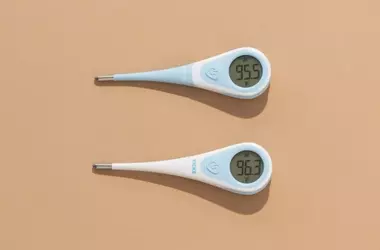
Understanding Thermometers: Principles, Measurement Methods, and Practical Contexts
A thermometer is a device used to measure temperature, a fundamental physical quantity relevant to human health, environmental monitoring, and industrial processes. This article explains what thermometers are, the different types available, how they function, and the mechanisms behind temperature measurement. It further examines accuracy, limitations, and real-world applications, followed by a balanced discussion and a structured question-and-answer section.
By Dr. Peter Van Dijk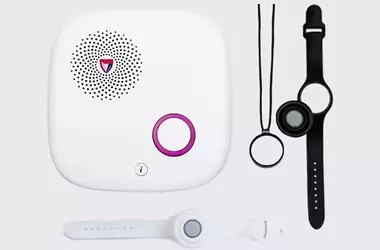 Mar 30, 2026
Medical Alert Devices: Functions, Mechanisms, and Broader Context
Medical alert devices are systems designed to support safety monitoring and emergency communication, particularly for individuals who may require rapid assistance. This article defines medical alert devices, explains their core components and operational mechanisms, explores their applications and limitations, and presents a balanced overview of their role in health and safety management. It concludes with a summary, future outlook, and a structured question-and-answer section addressing common informational inquiries.
 By Dr. Mei Wong