ParentsKids
Gulf Coast Community Steps Up to Ensure No Child Goes Hungry

In the Gulf Coast region, a dedicated network of community partners is working tirelessly to address food insecurity among children. When schools close for breaks, many youngsters lose access to essential meals they depend on daily. Thanks to collaboration with the initiative No Kid Hungry, local organizations are ensuring that children receive nourishment throughout the year, bridging the gap during school vacations.
Community Efforts Keep Young Stomachs Full All Year Long
During the vibrant and bustling days in Mobile, Alabama, a significant challenge faces families—how to feed their children when school cafeterias are closed. Recognizing this pressing issue, Feeding the Gulf Coast has joined forces with No Kid Hungry to establish summer meal programs across the region. These sites serve as lifelines for countless families who struggle to make ends meet. By providing nutritious meals at designated locations, the program ensures that no child experiences hunger due to seasonal school closures. Families can easily locate nearby meal distribution points through an accessible online resource.
As a journalist covering this story, it's heartening to witness such impactful community-driven solutions addressing critical needs. This initiative not only feeds bodies but also nurtures hope within vulnerable communities. It highlights the importance of partnerships between local organizations and national movements in tackling widespread social issues like childhood hunger. Such efforts remind us all of our shared responsibility to support those in need.
Author and educator writing on education, parenting, and fostering intrinsic motivation in kids.
Other Articles
 May 27, 2025
Revamping Immunization Guidelines: A Shift in COVID-19 Vaccine Policy for Specific Groups
Health and Human Services Secretary Robert F. Kennedy Jr. announced the removal of the COVID-19 vaccine from the CDC's immunization schedule for healthy children and pregnant women, potentially impacting medical guidance and insurance coverage. Kennedy, a prominent vaccine skeptic, made this announcement alongside FDA Commissioner Marty Makary and NIH Director Jay Bhattacharya, linking it to former President Trump's health initiatives. The decision leaves unclear what constitutes "healthy," though pregnancy is still considered an underlying condition allowing eligibility for the vaccine under new FDA guidelines. Last week, the FDA restricted future COVID-19 shots to individuals over 65 or with underlying conditions. Kennedy’s views on vaccines often contradict mainstream scientific consensus, and his advocacy group, Children’s Health Defense, has pushed for changes in vaccine schedules, despite studies disproving links between vaccines and chronic diseases in children.
By Cathy Glass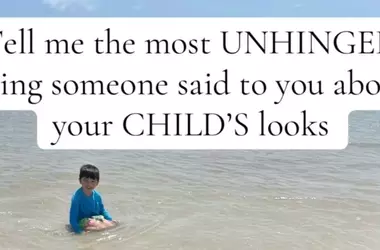 May 27, 2025
Unveiling the Impact of Strangers' Comments on Children's Self-Esteem
In a TikTok post, Jasmine Giachetti asked parents to share the most inappropriate comments strangers made about their children's appearances, receiving numerous shocking responses. Comments ranged from insensitive remarks about alopecia, autism, and special needs to bizarre suggestions like putting a 2-month-old on a diet. Giachetti herself has not faced such rude comments but addressed a relative’s outdated nickname for her daughter. Family doctor Deborah Gilboa advises parents to respond assertively yet kindly to such remarks, using phrases that halt hurtful conversations without engaging in debates. She emphasizes teaching children to reframe offensive comments as reflections of the speaker rather than personal critiques, fostering resilience and self-worth.
By Adele Faber May 27, 2025
Guidelines for Ensuring Child Safety When Left Alone at Home
In Ohio, there is no specific legal age requirement for leaving children home alone, unlike some states such as Illinois (minimum age 14) and Maryland, North Carolina (both age 8). The Ohio Department of Children and Youth advises that the decision should be based on the child's maturity and ability to make safe decisions, with a general recommendation from The National SAFEKIDS Campaign not to leave children under 12 unsupervised. Ohio does have laws regarding child abandonment if parents neglect communication or care for over 90 days. To ensure safety, parents are encouraged to communicate openly with their children, create a safety plan, establish a schedule, and prepare easy meals and snacks. It’s ultimately up to the parents to assess their child's readiness for staying home alone.
By Cathy Glass