ParentsKids
Revamping Immunization Guidelines: A Shift in COVID-19 Vaccine Policy for Specific Groups

A significant shift in the United States' immunization strategy has been unveiled, as Health and Human Services Secretary Robert F. Kennedy Jr. declared the exclusion of the COVID-19 vaccine from the Centers for Disease Control and Prevention's (CDC) vaccination schedule for healthy children and pregnant women. This decision could redefine medical advice for practitioners and influence insurance coverage policies. Kennedy, known for his skepticism towards vaccines, announced this change via a video on X, flanked by prominent health officials. The announcement aligns with previous statements advocating for limited vaccine access and calls into question the definition of "healthy" as per federal standards. While pregnancy remains categorized as an underlying condition, allowing expectant mothers to potentially still qualify for the vaccine, broader implications remain uncertain.
The recent adjustment in vaccination protocols reflects a broader movement aimed at reassessing public health strategies. Kennedy's statement resonates with earlier commitments made under President Trump’s administration to enhance national health initiatives. As the CDC's guidelines serve not only as a roadmap for healthcare providers but also dictate insurance coverage parameters, this alteration could have far-reaching consequences. Questions linger about the precise criteria used by federal authorities to define "healthy," especially concerning groups like pregnant women who might still be eligible based on existing classifications.
Kennedy's position on vaccines has long sparked controversy within the scientific community. His past assertions, such as labeling the COVID-19 vaccine as excessively dangerous, run counter to established research findings. Through his organization, Children’s Health Defense, Kennedy has championed revisiting childhood vaccination schedules, emphasizing potential risks and calling for more rigorous investigations into vaccine safety. Despite acknowledging vaccines' role in preventing infectious diseases, concerns persist regarding their connection to chronic conditions—a claim unsupported by numerous studies.
In light of these developments, clarity remains paramount. While Kennedy insists his personal opinions hold no bearing on medical recommendations, his influence continues to shape public discourse surrounding vaccinations. It is crucial that ongoing discussions involve comprehensive data analysis and input from diverse stakeholders to ensure balanced policy formulation. The evolving landscape underscores the need for transparent communication and evidence-based decision-making processes.
Pseudonym for a foster carer and author of many memoirs offering insight into childcare and trauma.
Other Articles
 May 27, 2025
Unveiling the Impact of Strangers' Comments on Children's Self-Esteem
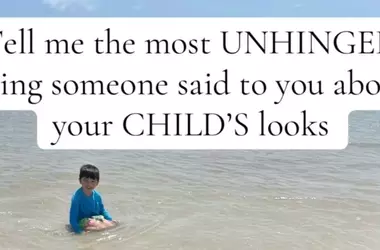
In a TikTok post, Jasmine Giachetti asked parents to share the most inappropriate comments strangers made about their children's appearances, receiving numerous shocking responses. Comments ranged from insensitive remarks about alopecia, autism, and special needs to bizarre suggestions like putting a 2-month-old on a diet. Giachetti herself has not faced such rude comments but addressed a relative’s outdated nickname for her daughter. Family doctor Deborah Gilboa advises parents to respond assertively yet kindly to such remarks, using phrases that halt hurtful conversations without engaging in debates. She emphasizes teaching children to reframe offensive comments as reflections of the speaker rather than personal critiques, fostering resilience and self-worth.
By Adele Faber May 27, 2025
Guidelines for Ensuring Child Safety When Left Alone at Home
In Ohio, there is no specific legal age requirement for leaving children home alone, unlike some states such as Illinois (minimum age 14) and Maryland, North Carolina (both age 8). The Ohio Department of Children and Youth advises that the decision should be based on the child's maturity and ability to make safe decisions, with a general recommendation from The National SAFEKIDS Campaign not to leave children under 12 unsupervised. Ohio does have laws regarding child abandonment if parents neglect communication or care for over 90 days. To ensure safety, parents are encouraged to communicate openly with their children, create a safety plan, establish a schedule, and prepare easy meals and snacks. It’s ultimately up to the parents to assess their child's readiness for staying home alone.
By Cathy Glass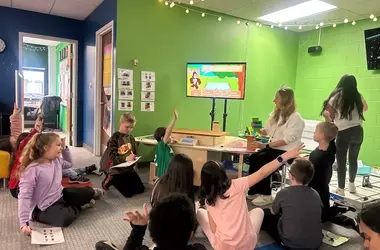 May 27, 2025
Revolutionizing Education: AI-Driven Learning Tools for the Future
In the era of artificial intelligence, parenting and education face new challenges. AI's integration into daily life necessitates that today's students become adept at interacting with this technology. The NoRilla project, based in Pittsburgh, exemplifies this approach by combining AI with hands-on learning to enhance STEM education. Developed by Nesra Yannier, NoRilla uses an animated gorilla character to guide children through scientific experiments, providing real-time feedback and fostering curiosity and critical thinking. Initially funded by the Fred Rogers Memorial Scholarship and later expanded through National Science Foundation grants, NoRilla has been implemented in over 35 museums and schools. Research shows significant improvements in student engagement and understanding of scientific principles, as well as enhanced interactions between parents, teachers, and children. This innovative tool supports educators and promotes active learning, preparing students for a tech-driven future while maintaining human interaction.
By Dr. Carlos González