News
Government Shutdown, Tariff Disputes, and Tax Policy Under Scrutiny

The nation is currently grappling with a protracted government shutdown, now in its 37th day, as President Trump pressures Senate Republicans to circumvent the filibuster to end the impasse. Despite earlier bipartisan discussions, Democrats have become more resolute following recent electoral victories, making them less inclined to yield. The President has conceded that the shutdown negatively impacted the Republican party in the recent elections, highlighting the political ramifications of the ongoing stalemate. Meanwhile, informal bipartisan talks are exploring a short-term funding solution to keep the government operational.
Simultaneously, the Supreme Court is examining the scope of presidential power regarding tariffs, specifically scrutinizing Trump's use of the 1977 International Emergency Economic Powers Act. While the court's final decision is pending, justices' initial questioning suggests a skeptical stance on the President's expansive interpretation of his authority. In related news, Chicago residents have initiated legal challenges against the Trump administration's aggressive immigration tactics, with federal judges hearing testimonies concerning alleged excessive force by federal agents and conditions within immigration detention facilities. A preliminary injunction is expected to address the use of force against protesters.
Furthermore, new tax provisions are drawing attention for their significant benefits to the wealthy. Starting next year, lifetime exemptions for estate and gift taxes will substantially increase, and capital gains exclusions for qualified small business stock will see a boost. The extension of bonus depreciation, allowing businesses to immediately deduct the full cost of eligible assets, further accentuates the tilt towards high-net-worth individuals and corporations. These fiscal policies underscore a pattern of economic advantage for the affluent, while the broader implications for the national economy remain a subject of debate.
Amidst these significant policy and legal developments, it is imperative for all branches of government and civil society to collaborate towards solutions that prioritize the well-being of all citizens. Upholding the rule of law, ensuring equitable economic policies, and protecting fundamental rights are cornerstones of a just and thriving society. The challenges presented by government shutdowns, debates over executive authority, and the fairness of tax laws demand thoughtful engagement and a commitment to shared progress. It is through such collective effort that the nation can move forward, fostering a climate of stability, justice, and opportunity for everyone.
ITV News presenter and former BBC correspondent, known for his reporting from conflict zones.
Other Articles
 Nov 06, 2025
Japan Deploys Military to Combat Escalating Bear Encounters
Japan's northern Akita prefecture has seen a significant increase in bear attacks, prompting the deployment of military personnel. With over 100 injuries and at least 12 fatalities since April, brown and Asiatic black bears are encroaching on residential areas as they search for food before hibernation. The military's role will involve setting traps and assisting local hunters, but soldiers are not authorized to use firearms against the animals.
By Mona Chalabi Nov 06, 2025
Significant Reductions in SNAP Benefits Expected, Potentially Leaving Millions Without Aid
A recent analysis by the Center for Budget and Policy Priorities reveals that the Trump administration's partial payment plan for SNAP benefits could lead to much steeper cuts than anticipated, with millions of low-income Americans potentially receiving no food assistance this month. The new formula significantly impacts households with some income, and states face considerable challenges in implementing the complex system, causing potential delays in aid distribution despite court orders to expedite payments.
By Mona Chalabi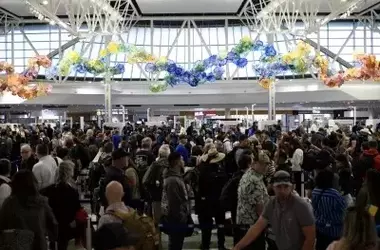 Nov 06, 2025
Government Shutdown Looms Over Thanksgiving Travel Plans
As Thanksgiving approaches, a potential government shutdown could significantly impact holiday air travel. With air traffic controllers and TSA agents possibly working without pay, experts warn of increased delays, cancellations, and longer security lines. Travelers are advised to plan carefully, consider flexible tickets, and prioritize early, nonstop flights to mitigate potential disruptions.
By Michele Norris