News
Geopolitical Tensions and Domestic Policy Shifts: A Global Overview

Navigating a Complex World: From Geopolitical Frontlines to Domestic Debates
The Israeli Military's Strategic Advance into Gaza City
The Israeli security cabinet has given its approval for a significant military operation to seize control of Gaza City. This move marks a critical phase in the ongoing conflict, as Israeli forces reportedly command a substantial portion of the Gaza Strip. The remaining areas outside their grasp, primarily the coastal stretch from Gaza City to Khan Younis, are now the focal points of this intensified campaign, signaling a potential shift in the region's power dynamics.
Former President Trump's Directive on Law Enforcement Surge in Washington D.C.
Former President Trump has issued an order for an increased deployment of law enforcement personnel within Washington D.C. This decision comes amidst heightened political tensions and aims to bolster security measures in the nation's capital. The implications of such a deployment on civil liberties and public order remain a subject of considerable debate.
European Concerns Over U.S. Contraceptive Policies
European nations are expressing serious alarm regarding the Trump administration's alleged intentions to destroy significant quantities of contraceptives. This plan, if implemented, could have profound global health and humanitarian repercussions, drawing strong criticism and prompting international calls for reconsideration from various foreign governments and organizations.
Unraveling the Fire Retardant Monopoly in the U.S.
An investigation has brought to light how a single company has managed to maintain an unchallenged dominance over the supply of fire retardant materials in the United States. This revelation raises questions about market fairness, competition, and potential vulnerabilities in critical emergency response infrastructure. Understanding the mechanisms behind this monopoly is crucial for ensuring equitable access and market diversity.
Lessons from the Savannah Bananas: A Blueprint for Major League Baseball's Future
The success and innovative approaches of the Savannah Bananas, a collegiate summer baseball team, are offering valuable insights that Major League Baseball could leverage. Their unique fan engagement strategies and unconventional game formats present a compelling case study for enhancing the appeal and spectator experience of professional baseball, prompting discussions on how to revitalize the sport for broader audiences.
Former NPR host and founder of The Race Card Project, focusing on race and identity in America.
Other Articles
 Aug 08, 2025
Las Vegas Tourism Downturn Signals Broader U.S. Economic Challenges
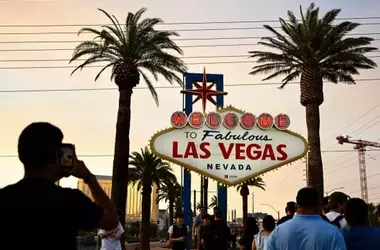
Las Vegas has experienced a six-month consecutive decline in tourism, with June seeing an 11.3% drop in visitors. This trend, often a bellwether for the wider economy, is linked to concerns over U.S. trade policies, immigration restrictions, and evolving consumer spending habits amid inflation. Economists are closely monitoring whether this signals a temporary dip or a more prolonged economic shift.
By Christianne Amanpour Aug 08, 2025
Cooperstown's Summer Divide: Baseball vs. Opera in a Tight Market
Cooperstown, New York, a town celebrated for its deep ties to baseball, particularly the National Baseball Hall of Fame, faces a unique challenge each summer. The influx of tens of thousands of youth baseball families for tournaments creates a severe shortage of accommodations, impacting the Glimmerglass Festival, a renowned opera event. While baseball enthusiasts celebrate their sport's legacy, opera patrons struggle to find lodging, leading to a delicate balance between these two distinct cultural pursuits and the local economy.
By Carl Bernstein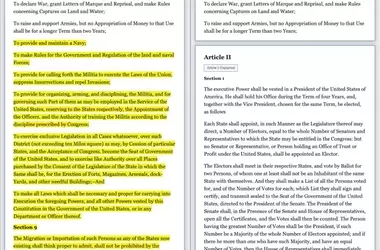 Aug 08, 2025
Library of Congress Website Constitution Omission Sparks Online Debate
A temporary omission of sections from Article 1 of the U.S. Constitution on the Library of Congress website led to public concern and misinformation. Internet users discovered the missing text, including provisions on habeas corpus and limits on governmental power. The Library of Congress attributed the issue to a coding error, which was quickly rectified. This incident highlighted the critical difference between website alterations and the formal constitutional amendment process.
By Michele Norris