ParentsKids
Exploring Rural Roots: A Day Connecting Youth to Agriculture

Unveiling the Heartbeat of Agriculture Through Interactive Learning
The event served as a pivotal moment for bridging generational gaps in understanding rural life and its contributions to daily sustenance.Rekindling Memories: A Family Affair
For Emmy Mitchell, the day was more than just an outing; it was a nostalgic journey back to her roots. Accompanied by her husband and children, she revisited the essence of farming that her grandparents once embraced. Her reflections underscored the misconception many hold about farming being a straightforward endeavor. Mitchell emphasized that while picking tomatoes or potatoes may seem effortless, the unseen efforts of weed management and countless other tasks make farming a demanding yet rewarding profession. Her aspiration extends beyond mere visits to such events. Mitchell envisions a future where her family actively participates in cultivating their own garden. To her, the idea of planting and nurturing food from seed to harvest is an invaluable experience every child should encounter. Such hands-on engagement with nature not only instills responsibility but also deepens one's connection to the source of nourishment.Bridging Knowledge Gaps: Education in Action
Judy Szyszkoski, co-chair of Promotion and Education at the Copper Country Farm Bureau, highlighted the significance of this event in addressing the dwindling exposure of youth to agricultural practices. In today’s fast-paced world, fewer individuals engage directly with farming activities. Consequently, many remain unaware of processes like maple syrup production. Through interactive stations strategically placed throughout the venue, children gained firsthand insights into various aspects of farming. These stations transformed abstract concepts into tangible experiences, making learning both engaging and memorable.Sweet Discoveries: Maple Syrup Production
Greg Staricha, a seasoned maple syrup farmer, shared his expertise during the event. He illuminated the audience on the intricate process behind transforming tree sap into delectable syrup. With each gallon requiring forty gallons of raw sap, the effort involved becomes evident. Staricha expressed optimism about igniting a passion for agriculture within young minds. By offering them a taste of authentic maple syrup, he hopes to inspire interest in pursuing agricultural ventures either professionally or recreationally. Moreover, he pointed out the accessibility of starting small-scale projects right in one’s backyard, requiring merely three trees to produce several gallons of syrup annually.This community gathering exemplifies how education combined with entertainment can foster a deeper understanding and respect for agriculture among all age groups. It serves as a reminder of the essential role farmers play in ensuring food security while maintaining environmental balance.Author and educator writing on education, parenting, and fostering intrinsic motivation in kids.
Other Articles
 Jun 07, 2025
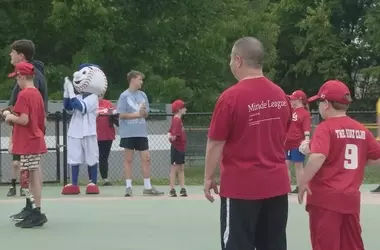
Miracle Leagues: Empowering Youth with Disabilities Through Inclusive Sports
The Miracle League in Louisville provides children with physical, cognitive, and emotional disabilities the chance to play baseball in a supportive environment. Played on a specially designed rubberized surface to ensure safety and accessibility, the league emphasizes fun over competition, with no strikeouts or scorekeeping—every player bats and scores. Featuring around 150 participants, it fosters friendships and inclusivity among players like Kyle Sullivan, whose grandfather coaches his team. Across the U.S., over 300 such leagues exist, offering life-changing opportunities for families. Wallace Craig, Kyle's grandpa, highlights the joy and impact this brings to players and their loved ones. The league plays Saturdays at 9 a.m., with one weekend left in its spring season.
By Tiffany Jewell Jun 06, 2025
Annual Kids Run: A Family Tradition in Buffalo
The Independent Health Foundation’s 37th Annual Kids Run in Buffalo, NY, sees enthusiastic participation from families like Delilah Ortiz and her three children. The event, held on June 7 at Delaware Park, emphasizes healthy preparation with advice from young competitors like drinking water, stretching, and eating healthily. Ortiz, a former track runner, instilled a competitive yet inclusive spirit in her kids, who have won their age groups before. Each year, the family picks a unique shirt color to stay together in the crowd. Ortiz encourages all participants, emphasizing that everyone is a winner regardless of trophies. The event begins at 8:30 a.m., with races starting at 9:30 a.m.
By Emily Oster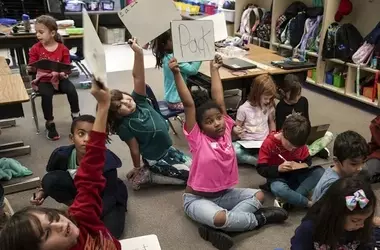 Jun 07, 2025
Revitalizing Reading Education: A Balanced Approach
Five years post-pandemic, two-thirds of U.S. fourth graders still struggle to read at grade level, as highlighted by the 2024 National Assessment of Educational Progress report. In response, many districts have adopted the "science of reading" curriculum, emphasizing phonics. While phonics aids some learners, including those with dyslexia, it may fail neurodivergent students and disconnect reading from engaging literature. Balanced literacy, combining phonics with other strategies like rhyming word recognition and teacher-led read-alouds, could better address diverse learning needs. Critics argue against cueing-based methods like Lucy Calkins, yet evidence shows modest success for certain students. To improve literacy, educators should adopt flexible, evidence-based approaches tailored to individual learners, supported by home-school connections, enjoyable reading materials, and tutoring when needed.
By Tiffany Jewell