ParentsKids
Revitalizing Reading Education: A Balanced Approach

The aftermath of the pandemic has left a lasting impact on reading education in the U.S., with two-thirds of fourth graders unable to read at their grade level. Scores from the 2024 National Assessment of Educational Progress reveal a decline, falling below both 2022 and 2019 levels. In response, many districts have embraced the "science of reading" curriculum, emphasizing phonics. While this method has shown promise, particularly in Louisiana where students surpassed pre-pandemic scores, a one-size-fits-all approach may not be optimal. Educators advocate for flexibility in teaching methods to accommodate diverse learning needs.
Balanced literacy strategies offer an alternative to rigid phonics-based instruction. This approach integrates engaging literature and varied teaching techniques to foster comprehension and fluency. Despite the effectiveness of phonics for some learners, including those with dyslexia, it can fail neurodivergent students who benefit from different instructional styles. To enhance literacy across the board, educators recommend combining phonics with balanced literacy methods, encouraging personalized learning experiences that meet each student's unique needs.
Adapting Phonics Instruction for Diverse Learners
While phonics programs focus on memorization of word families, they often overlook the individual differences among students. Although effective for certain groups, such as low-achieving readers or those with dyslexia, explicit phonics instruction can hinder neurodivergent learners like those with autism spectrum disorder or ADHD. These students interact and learn differently, requiring tailored approaches to word recognition, fluency, and comprehension. Personal experiences highlight how rigid phonics curricula might mask true proficiency, as seen in cases where a child’s reading abilities were underestimated due to over-reliance on phonics lessons.
In practice, phonics teaches reading through isolated word lists rather than immersive stories, which can disconnect children from authentic reading experiences. Research indicates that exposure to enjoyable, meaningful literature fosters deeper comprehension. For instance, incorporating rhyming structures in stories enhances word recognition beyond mere parts. Teachers can employ various phonics strategies during read-aloud sessions, such as arranging letter cards into words and blending sounds. By integrating these techniques with engaging narratives, educators create a richer learning environment that caters to multiple learning styles and promotes holistic development in literacy skills.
Promoting Balanced Literacy Through Varied Strategies
A balanced literacy framework offers a comprehensive solution by integrating multiple teaching methods. Unlike purely phonics-based approaches, balanced literacy encourages children to encounter new words within the context of authentic literature during guided teacher-led readings. This strategy involves using various techniques, such as blending letter sounds to support decoding while reading aloud. Another effective tactic is rhyming word recognition, exemplified in books like "Arthur in a Pickle," where rhymes contribute to the story's deeper meaning. After reading, teachers can engage students in activities like forming words with letter cards and tapping them while saying each sound, reinforcing phonetic understanding through interactive exercises.
Despite criticisms, the Lucy Calkins Reading Project and similar balanced literacy approaches possess scientific validity supported by theories like predictable language. Books by Eric Carle illustrate this concept, featuring vibrant illustrations paired with repetitive phrases that aid in whole-word recognition. Critics argue that cueing systems encourage guessing rather than fundamental skill acquisition; however, evidence suggests modest gains in English Language Arts test scores among users of these methods. As schools increasingly adopt science-of-reading curricula, integrating elements of balanced literacy ensures no single methodology dominates. Parents, educators, and policymakers are encouraged to maintain home-school connections, embrace all forms of reading, make phonics enjoyable, select quality series for progression, and utilize tutoring when necessary. By combining phonics with balanced literacy practices, we empower every child to succeed in their unique journey toward literacy mastery.
Author of "This Book Is Anti-Racist," focusing on raising inclusive, socially conscious children.
Other Articles
 Jun 07, 2025
Healing Hearts: A Unique Camp for Grieving Children
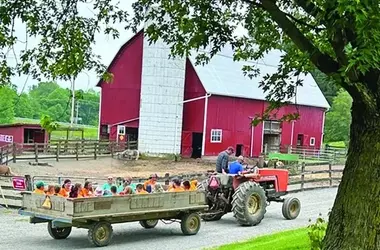
Camp Braveheart, hosted annually at Marmon Valley Farm near Zanesfield, offers a supportive environment for children aged 6 to 13 who have experienced the loss of a family member. Supported by Universal Home Health and Hospice, Otterbein Senior Life, and the United Way of Logan County, the camp provides activities like horseback riding, paddle boating, and rock climbing, alongside opportunities for emotional sharing among peers. Over 50 local children attend free of charge, benefiting from interactions with others facing similar challenges. Volunteers, including social service and medical professionals, focus on group activities rather than individual counseling, encouraging kids to express their feelings openly. Lauryn Pitroff, a volunteer, emphasizes the camp's impact in reducing isolation and promoting healing through laughter and camaraderie.
By Michele Borba Jun 07, 2025
Summer Delights: A Southern Twist on Traditional Lemonade Stands
Lemonade stands are a classic summertime activity for children, often serving as both entertainment and a lesson in entrepreneurship. While many kids sell lemonade, Southerners frequently offer unique regional treats instead. These include pimiento cheese sandwiches, sweet tea, boiled peanuts, and even homemade desserts like peach cobbler or banana pudding. Such stands not only provide a way to engage with the community but also preserve traditional Southern flavors. With adult supervision and help, these young entrepreneurs might raise money for personal goals or charity, all while promoting local, homemade goods. The charm of these stands lies in their ability to evoke nostalgia and community spirit.
By Michele Borba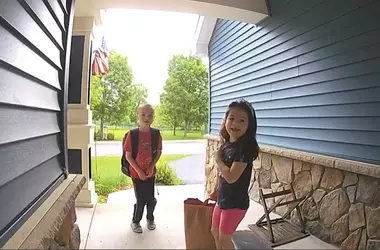 Jun 07, 2025
A Heartwarming Solution for Bridging the Miles Between a Military Dad and His Kids
Major Peter DeCrans, stationed in Kuwait, used a Ring Video Doorbell to stay connected with his children, Zerick, 7, and Petroula, 5, in Forest Lake, Minnesota. This setup helped alleviate separation anxiety by allowing daily video exchanges, enabling the kids to share their experiences and emotions with their father. While older children can verbalize fears better than younger ones, as noted by Dr. Elesia Hines, the doorbell served as an emotional lifeline for both the children and DeCrans. Sharing moments like birthdays and new skills, the family maintained a strong bond, making the deployment more manageable emotionally. DeCrans expressed that the device made him feel constantly present at home.
By Cathy Glass