News
Embracing Praise: The Psychology of Accepting Compliments

Receiving commendation can often elicit feelings of awkwardness or discomfort, leading many to deflect or dismiss genuine praise. This common human reaction is rooted in various psychological factors, including the disparity between our self-perception and how others view us. Social psychologist Erica Boothby and behavioral scientist Xuan Zhao illuminate the underlying science, advocating for a more open approach to accepting kind remarks.
The reluctance to embrace compliments is often linked to an individual's self-esteem. Those who struggle with their self-worth may find it difficult to believe they deserve the praise, while individuals with higher self-esteem tend to accept compliments more readily as it aligns with their internal self-assessment. Furthermore, cultural norms play a significant role; for instance, some Asian cultures may perceive accepting praise as boastful. In contrast, in the United States, compliments are generally seen as unconditional gifts, where the giver expects no reciprocation or justification. Rejecting a compliment can inadvertently cause the giver to feel rebuffed, impacting the dynamic of the interaction.
Despite the initial discomfort, there are compelling reasons to wholeheartedly embrace positive affirmations. Research indicates that genuine praise activates the brain's reward circuits, similar to receiving monetary gain, thereby enhancing feelings of happiness. This positive effect extends to the act of giving compliments as well, fostering a greater appreciation for the good in the world. When considering why one might instinctively dismiss praise, introspection can be a powerful tool. To cultivate more meaningful exchanges, it is beneficial to offer specific, sincere, and thoughtful compliments, focusing on precise details and their positive impact. Moreover, don't hesitate to praise others, as studies suggest genuine commendations are received more positively than one might anticipate, strengthening interpersonal connections and promoting a more positive collective environment.
Chief International Anchor for CNN, renowned for war reporting and interviewing world leaders.
Other Articles
 Aug 02, 2025
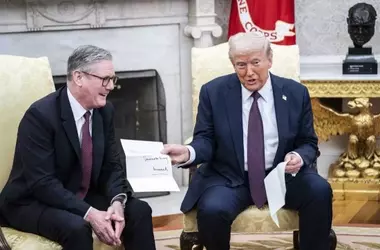
The Strategic Embrace: How World Leaders Are Mastering the Art of Flattery to Influence President Trump
Global leaders have increasingly adopted a strategy of effusive praise and deferential gestures towards President Trump, a stark contrast to his initial term. This approach, dubbed "the art of the praise," is proving effective in securing favorable diplomatic outcomes and advantageous deals, from securing a rare state visit invitation to influencing defense spending commitments among NATO allies. This shift indicates a recognition among international counterparts that direct engagement and personal appeal are now key to navigating foreign policy with the current U.S. administration.
By Rageh Omaar Aug 02, 2025
Appeals Court Upholds Ban on Indiscriminate Immigration Enforcement
A federal appeals court has affirmed a lower court's injunction preventing the Trump administration from conducting arbitrary immigration stops and arrests in Southern California. This decision supports the argument that immigration enforcement tactics were violating constitutional rights by relying on factors like race, language, or occupation as sole justifications for detention.
By Isabel Allende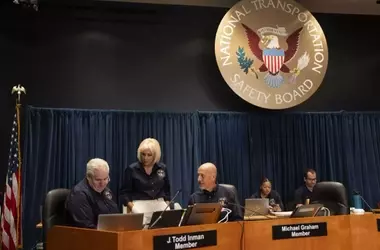 Aug 02, 2025
Key Insights from the NTSB's Investigation into the DCA Mid-Air Collision
A recent three-day hearing by the National Transportation Safety Board (NTSB) has revealed crucial details regarding the fatal mid-air collision near Washington, D.C., last January. The incident, which resulted in 67 fatalities, highlighted issues with altimeter accuracy, helicopter flight paths, and air traffic control procedures. The NTSB's findings point to systemic problems within aviation safety protocols and operational pressures at busy airports. Authorities are now considering significant changes to prevent similar tragedies.
By Isabel Allende