ParentsKids
Combating Summer Learning Loss: Strategies for Continuous Growth

As the academic year draws to a close, educators express concerns about the "summer slide," a prevalent issue causing students to lose academic progress during extended school breaks. This phenomenon particularly affects foundational subjects like math and reading, especially among elementary learners who have yet to fully grasp these skills or those already below grade-level standards. The repercussions extend beyond individual student setbacks, disrupting classroom dynamics and necessitating teachers to revisit previously taught material.
Statistics reveal that only 30% of fourth graders statewide are proficient in reading, highlighting the widespread risk of summer learning loss affecting approximately 70% of Michigan students. To mitigate this, experts advocate maintaining daily reading habits through community programs designed to engage students over the break, such as SLD Read's new middle school initiative targeting pandemic-affected learners.
Preserving Academic Momentum Through Summer Break
Maintaining educational momentum during summer vacations is crucial to prevent regression in students' academic achievements. Without consistent engagement in learning activities, many young learners may fall behind, particularly in essential areas like mathematics and literacy. This not only impacts their personal growth but also creates challenges for educators who must allocate time to reteach foundational concepts at the start of the next school term.
The "summer slide" poses significant risks, with data indicating that a majority of students enter the new academic year less prepared than when they left. For instance, proficiency rates in reading among fourth-grade students remain alarmingly low. Educators emphasize the importance of continuous learning habits, urging families to incorporate daily reading into their summer routines. By doing so, students can retain knowledge and even advance their skills during the break.
Innovative Programs to Foster Continuous Learning
Community initiatives play a vital role in supporting students' academic continuity during summer months. Programs like SLD Read's newly launched middle school reading project exemplify efforts to address learning gaps exacerbated by recent global events. These programs aim to reinforce fundamental skills while fostering a love for literature among participants, ensuring they remain engaged and motivated throughout the break.
Such initiatives often receive enthusiastic support from local communities, sometimes reaching full enrollment quickly. Beyond reading-focused projects, various other opportunities exist across multiple disciplines, offering diverse ways for students to stay intellectually active. Engaging in these structured activities helps bridge potential knowledge gaps, equipping students to return to school more prepared and confident. Parents and guardians are encouraged to explore available options, ensuring their children benefit from enriching experiences tailored to their needs and interests.
Author and consultant advocating for simplified, less stressful childhoods.
Other Articles
 May 27, 2025
Summer Sleep Schedules: Keeping a Consistent Routine for Kids
As summer break approaches, parents may consider relaxing their children's bedtime routines. According to Dr. Brian Chen, a sleep specialist at the Cleveland Clinic, while some flexibility is acceptable, allowing bedtimes to shift more than an hour later can be problematic. This is because adjusting back to a school-year schedule can be challenging, sometimes taking weeks or months. Longer daylight and summer activities contribute to later bedtimes, but consistent rest is crucial for mood, behavior, cognitive function, and sports performance. Dr. Chen also warns about excessive screentime before bed, as blue light exposure can disrupt sleep cycles. Maintaining a regular bedtime ensures children remain well-rested and productive throughout the summer.
By Michele Borba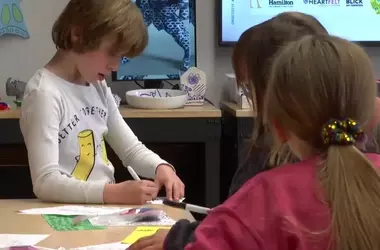 May 27, 2025
Art Without Borders: A Transcontinental Collaboration Between Chicago and South Africa
Chicago Public Schools students at Hamilton Elementary are collaborating with female artists from The Heartfelt Project in South Africa. This initiative, involving second, third, and fifth graders, connects them with women 8,000 miles away through art. The Heartfelt Project was founded by Martha Letsoalo after personal tragedy and has evolved into a collective of women crafting felt artwork symbolizing resilience and culture. Directed by Charlene Mphuloane, the project allows for skill-sharing internationally. Through ArtLab, led by volunteer Liz Hay, students develop fine motor skills and learn global creative traditions. On Friday, Hamilton Elementary will host its first Global Arts Fair to showcase student and Heartfelt Project artworks, fostering cross-cultural connections and celebrating creativity.
By Kim John Payne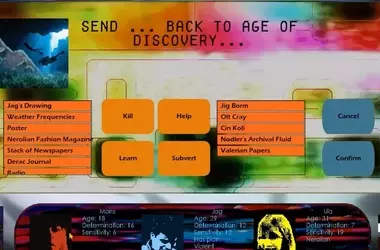 May 27, 2025
The Enigmatic World of Decade: A Time-Traveling Indie Game
In a recent video essay, James Bentley highlights the underappreciated indie game "Decade." This unique point-and-click/visual novel explores heavy themes through the story of four children, the last survivors on Earth after a catastrophic metallic rain. Equipped with a time machine, three of them travel back ten years to alter the planet's fate. As players investigate historical artifacts and make critical decisions, they confront moral dilemmas about the children's futures. Developed solo by Last Piscean following a job loss, "Decade" releases today at a discounted price. Its thought-provoking narrative challenges players to consider the consequences of their choices on these young lives.
By Kim John Payne