ParentsKids
Summer Sleep Schedules: Keeping a Consistent Routine for Kids

As the summer break approaches, many parents might consider allowing their children to stay up later than usual. However, experts warn that while some relaxation is acceptable, drastically altering bedtime routines can have negative consequences when school resumes. Dr. Brian Chen, a sleep specialist at the Cleveland Clinic, advises maintaining consistent bedtimes throughout the summer to ensure a smoother transition back to school schedules.
The Importance of Summer Bedtime Routines
In the vibrant and lively season of summer, when daylight lingers well into the evening, it's tempting for children to delay their bedtimes. According to Dr. Chen, although occasional flexibility in sleep schedules is permissible, significant deviations can pose challenges as summer winds down. Delaying bedtime too much can complicate the adjustment process once school starts again, potentially requiring weeks or even months for children to readjust. Many kids participate in sports and other activities during this period, making adequate rest crucial for performance and overall well-being.
Dr. Chen highlights the importance of sufficient sleep, emphasizing its impact on mood, behavior, cognitive function, and athletic performance. Additionally, he cautions against excessive screen time before bed, as research indicates that blue light exposure can disrupt natural sleep cycles.
Ultimately, keeping a steady bedtime routine ensures children remain refreshed and ready to tackle each new day, whether it involves academics or extracurricular pursuits.
From a journalist's perspective, this report underscores the necessity of balancing freedom with structure during the summer months. While it’s essential to let children enjoy the extended daylight hours and engage in fun activities, prioritizing their health through consistent sleep habits remains vital. Parents play a pivotal role in fostering an environment where relaxation doesn’t come at the expense of long-term wellness.
Educational psychologist and author focusing on building empathy and resilience in children.
Other Articles
 May 27, 2025
Art Without Borders: A Transcontinental Collaboration Between Chicago and South Africa
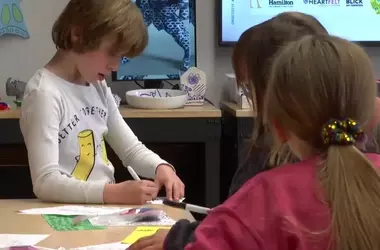
Chicago Public Schools students at Hamilton Elementary are collaborating with female artists from The Heartfelt Project in South Africa. This initiative, involving second, third, and fifth graders, connects them with women 8,000 miles away through art. The Heartfelt Project was founded by Martha Letsoalo after personal tragedy and has evolved into a collective of women crafting felt artwork symbolizing resilience and culture. Directed by Charlene Mphuloane, the project allows for skill-sharing internationally. Through ArtLab, led by volunteer Liz Hay, students develop fine motor skills and learn global creative traditions. On Friday, Hamilton Elementary will host its first Global Arts Fair to showcase student and Heartfelt Project artworks, fostering cross-cultural connections and celebrating creativity.
By Kim John Payne May 27, 2025
The Enigmatic World of Decade: A Time-Traveling Indie Game
In a recent video essay, James Bentley highlights the underappreciated indie game "Decade." This unique point-and-click/visual novel explores heavy themes through the story of four children, the last survivors on Earth after a catastrophic metallic rain. Equipped with a time machine, three of them travel back ten years to alter the planet's fate. As players investigate historical artifacts and make critical decisions, they confront moral dilemmas about the children's futures. Developed solo by Last Piscean following a job loss, "Decade" releases today at a discounted price. Its thought-provoking narrative challenges players to consider the consequences of their choices on these young lives.
By Kim John Payne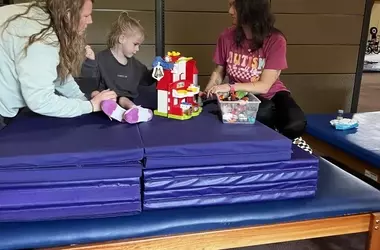 May 27, 2025
Community Initiative Provides Therapeutic Toys for Children in Need
Pediatric therapy can be costly, particularly when families need resources for both clinical and home use. Emily Hinkle and Todd Adams, parents of Caroline, a child with cerebral palsy, recognized this challenge. Toys play a crucial role in therapy, motivating children while helping them develop necessary skills. To address financial barriers, Hinkle and Adams organized a fundraiser during Cerebral Palsy Awareness Month, using the proceeds to buy therapeutic toys for families in need. These toys are now available in bins called "Caroline’s Corner" at four Marshall Pediatric Therapy clinics. Families can also access Caroline’s Closet Amazon Wishlist or donate directly to the clinics in Lexington, Georgetown, Nicholasville, or Richmond, ensuring therapy continues beyond clinic visits.
By Emily Oster