Professional skills
CNC Machine Training — A Neutral Technical Overview

1. Defining the Objective
CNC machine training is a structured instructional process designed to develop competence in operating computer-controlled machining equipment used for cutting, shaping, and fabricating materials such as metal, plastic, and composite substances.
This article aims to address:
- What CNC systems are and how they function
- How digital programming translates into mechanical motion
- How training develops operational and interpretive skills
- What limitations and variability exist in CNC-based manufacturing learning
The structure follows a sequential approach: definition, conceptual foundation, mechanism explanation, comprehensive discussion, synthesis, and Q&A.
2. Basic Concept Analysis
CNC systems are automated manufacturing tools controlled by programmed instructions that dictate machine movements and tool actions.
Core CNC Machine Types
- CNC milling machines
- CNC lathes
- CNC routers
- CNC laser cutting machines
- CNC plasma cutting systems
Each machine type is designed for specific material processing tasks and geometrical operations.
Core System Components
- Controller unit (interprets program instructions)
- Drive system (moves machine axes)
- Machine tool structure
- Input programming interface
- Feedback sensors
These components work together to execute precise mechanical operations.
3. Core Mechanisms and In-Depth Explanation
CNC machining relies on the integration of digital control systems and mechanical motion systems.
Digital Programming and G-Code
CNC machines operate using coded instructions, commonly known as G-code. These instructions define parameters such as:
- Tool movement paths
- Cutting speed
- Spindle rotation
- Feed rate
The controller interprets these commands and converts them into electrical signals that drive mechanical motion.
Motion Control Systems
CNC machines use servo motors or stepper motors to control movement along multiple axes (commonly X, Y, and Z). These systems enable precise positioning and repeatability.
Feedback and Precision Control
Many CNC systems include feedback loops using encoders or sensors. These systems continuously compare actual position with programmed position and adjust movement to maintain accuracy.
According to industrial manufacturing guidance from the National Institute of Standards and Technology (NIST), CNC systems rely on closed-loop control principles to maintain machining precision in automated environments.
Material Removal Process
CNC machining involves subtractive manufacturing, where material is removed from a solid block (workpiece) using cutting tools. The shape of the final product is determined by programmed tool paths.
4. Comprehensive View and Objective Discussion
CNC training exists within advanced manufacturing education systems and industrial skill development frameworks.
Skill Development Areas
- Programming and code interpretation
- Machine setup and calibration
- Tool selection and material understanding
- Quality inspection and measurement interpretation
- Maintenance and troubleshooting procedures
Industrial Application Context
CNC systems are widely used in:
- Aerospace component manufacturing
- Automotive production
- Precision engineering industries
- Industrial tooling fabrication
Limitations and Challenges
- High dependence on programming accuracy
- Machine setup errors can affect output quality
- Tool wear influences precision over time
- Learning curve associated with code interpretation and machining dynamics
Automation and Human Interaction
While CNC systems are automated, human operators remain responsible for programming, monitoring, and quality control. Full automation is typically limited to specific production environments.
Quality Control Methods
Common inspection techniques include:
- Coordinate measuring machines (CMM)
- Calipers and micrometers
- Surface roughness analysis tools
- Digital inspection systems
5. Summary and Outlook
CNC machine training provides structured knowledge and technical competence in computer-controlled manufacturing systems. It integrates digital programming, mechanical engineering, and precision manufacturing principles.
Future developments are expected to focus on increased automation, integration with artificial intelligence systems, and improved real-time monitoring of machining processes. These changes may further influence training requirements and operational structures.
6. Q&A Section
Q1: What is the main purpose of CNC training?
It develops skills for operating and programming computer-controlled machining systems.
Q2: What is G-code?
It is a programming language used to control CNC machine movements and operations.
Q3: Why are feedback systems important?
They ensure accuracy by correcting deviations between programmed and actual positions.
Q4: Is CNC machining fully automated?
No, human input is still required for programming, setup, and monitoring.
Q5: What industries use CNC machines?
They are used in aerospace, automotive, precision engineering, and manufacturing sectors.
Sources
https://www.nist.gov/
https://www.cdc.gov/niosh/topics/automated-machinery/
https://www.engineeringtoolbox.com/cnc-machining-d_1219.html
https://www.sciencedirect.com/topics/engineering/cnc-machini

Contemporary dance choreographer and instructor exploring movement as a form of emotional expression.
Exploration ArchivesOther Articles
 Apr 20, 2026
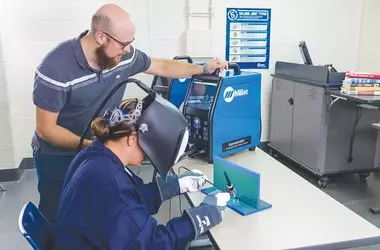
Welding Training — A Neutral Technical Overview of Processes, Principles, and Skill
Welding training refers to structured instructional programs designed to develop knowledge and practical competence in joining metals using heat, pressure, or both. This article explains the definition of welding training, its scientific and engineering foundations, core process mechanisms, and training structures. It also examines variability in outcomes, technical limitations, and safety considerations, followed by a question-and-answer section.
 By Chloe Davis
 Apr 20, 2026
Electrical Technician Training — A Neutral Overview of Concepts, Systems
Electrical technician training refers to structured educational programs designed to develop knowledge and skills related to electrical systems, circuitry, installation, maintenance, and safety practices. This article provides a neutral explanation of its conceptual foundation, technical mechanisms, learning structure, and application contexts. It also examines system variability, limitations, and evolving technological influences, followed by a question-and-answer section.
By Chloe Davis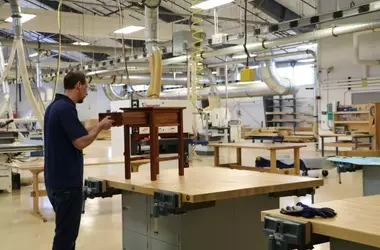 Apr 15, 2026
Woodworking Technician Training: Methods, Materials, and Technical Skill Development
Woodworking technician training refers to structured educational programs focused on teaching the technical skills, material knowledge, and safety practices required for working with wood in construction, fabrication, and manufacturing contexts. This article defines woodworking technician training and explains its scope, fundamental principles, and operational techniques. It further examines material properties, tool systems, training progression, industrial applications, limitations, and broader vocational relevance, followed by a structured question-and-answer section.
 By Viktor Orlov