ParentsKids
Ballet Beyond Boundaries: Empowering Special Needs Through Dance

A community initiative in Augusta has transformed the lives of children with special needs by offering them a chance to experience the joys of ballet. The Steps of Grace program, founded 14 years ago by an occupational therapist passionate about dance, held its latest recital recently. This event not only showcased the students' abilities but also highlighted the therapeutic benefits of dance for these young individuals.
Through dance, the program encourages participants to focus on their talents rather than limitations, creating a supportive environment where they can thrive. Director Mallory Rosche emphasizes that the program is more than just learning ballet; it fosters balance, coordination, teamwork, and social skills while being fun and engaging for the children involved.
Dance as a Pathway to Growth
The Steps of Grace program offers children with special needs an opportunity to explore the world of ballet. By focusing on their abilities instead of disabilities, this initiative empowers them to express themselves creatively. Established over a decade ago, the program continues to grow and inspire its participants through weekly classes and annual performances. It provides a unique platform where young dancers can showcase their skills and connect with an appreciative audience.
Dance serves as more than just artistic expression for these students—it plays a pivotal role in their development. As explained by Mallory Rosche, the director, dance enhances physical capabilities such as balance and coordination while improving interpersonal skills like cooperation and following instructions. These lessons are embedded within an enjoyable context, allowing children to engage without realizing they're undergoing beneficial therapy-like activities. The "Better When I'm Dancing" recital exemplifies how dance helps these students flourish both personally and socially, giving them confidence and joy beyond measure.
Community Support and Inclusion
Steps of Grace thrives due to strong community involvement, including financial support from generous sponsors who help fund scholarships for deserving students. Such backing ensures all interested children, regardless of economic background, have access to this transformative experience. Additionally, free public events like the recent recital foster inclusivity, inviting everyone to witness the incredible achievements of these young dancers.
Rosche highlights the importance of shifting focus away from challenges faced by children with special needs toward celebrating their strengths. She notes that many aspects of their lives revolve around medical appointments or therapies, making it essential to create spaces where they feel valued solely for what they can achieve. Through Steps of Grace, families find solace knowing their children are supported wholeheartedly by numerous admirers eager to encourage their growth. Those wishing to contribute either directly or financially may do so via the organization's online presence, ensuring continued success for future generations of aspiring dancers.
Pediatrician and author promoting attachment parenting and breastfeeding in the Spanish-speaking world.
Other Articles
 May 19, 2025
Unlocking the Power of Curiosity and Awe in Learning
Cognitive accommodation, a key component of effective education, enables students to expand and deepen their understanding by revising prior knowledge. This process is closely linked to the emotion of awe, which fosters curiosity and enhances learning. Psychologist Craig Anderson’s research indicates that experiencing awe boosts teenagers' curiosity and academic performance. Awe, considered a "knowledge emotion," motivates exploration and learning, as highlighted by Paul Silvia. Fred Rogers emphasized the importance of wonder in learning, aligning with modern science that shows curiosity activates the brain for better information retention. Curiosity not only amplifies learning in targeted areas but also improves absorption of unrelated information, suggesting practical applications for educators and parents in nurturing children's interests and awe.
By Dr. Carlos González May 17, 2025
Former First Lady Advocates for Parental Balance in Child Raising
In a recent episode of her "IMO" podcast, former First Lady Michelle Obama emphasized the importance of allowing children to experience failure as a means of developing confidence and independence. She explained that while watching children fail is difficult for parents, it is essential for kids to learn through trial and error. Obama advised parents to "extend the leash," giving their children more freedom to make mistakes and learn from them, rather than shielding them from potential setbacks. She also cautioned against prioritizing friendship over parenting, stressing that respect and guidance are crucial in building strong parent-child relationships that can eventually evolve into friendships.
By Kim John Payne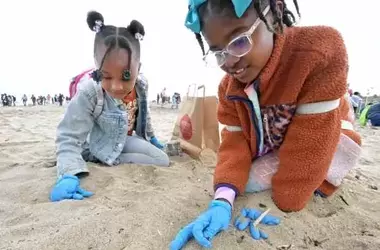 May 17, 2025
Kids Ocean Day Postponed: A Year for Healing
Kids Ocean Day, an annual event since 1991 that educates and engages Los Angeles youth in beach cleanups and environmental stewardship, has been canceled for the year due to residual pollution from the Palisades fire. The event typically involves thousands of children, including youth ambassador Ella Basel, creating art on Dockweiler Beach and cleaning up trash. Concerns over unsafe sand conditions and risks to marine life prompted organizers to prioritize safety. Although disappointed, participants like Basel understand the decision and look forward to the event's return in 2026. In the interim, educational efforts will continue, emphasizing the "ripple effect" of individual actions in protecting the environment. Heal the Bay's reports indicate manageable water quality post-fire, though ongoing testing is needed for certain contaminants.
By Michele Borba