ParentsKids
Unlocking the Power of Curiosity and Awe in Learning

The capacity to adapt our mental frameworks plays a crucial role in shaping how we perceive and learn about the world. Imagine a young child whose sole experience with dogs is their family's tiny pet. When they encounter a vastly different breed, such as a towering Great Dane, their understanding of "dog" broadens instantly. This process, known as cognitive accommodation, lies at the core of effective education. It enables students to expand on their existing knowledge, revising and enriching their comprehension of various concepts. Cognitive accommodation not only fosters learning but also encourages personal growth by integrating new information into established mental structures.
Inspiring curiosity often begins with experiences that evoke awe. Studies reveal that when individuals feel awe, their curiosity intensifies, leading to enhanced academic performance. Psychologist Craig Anderson highlights this connection, noting that feelings of awe can ignite a desire to explore and understand the world more deeply. Awe serves as a catalyst for learning, motivating people to delve into subjects that challenge their current understanding. For instance, breathtaking images of cosmic phenomena like supernovas or black holes can inspire learners to investigate their scientific significance. This emotional response to complex and intriguing stimuli forms part of what psychologists term "knowledge emotions," which include surprise, interest, and confusion, all contributing to intellectual growth.
Education innovators like Fred Rogers understood the profound impact of wonder on children’s minds. His belief was that fostering curiosity primes young brains for learning. Modern research supports this idea, showing that when curiosity is engaged, the brain becomes more receptive to retaining information. Experts suggest that nurturing curiosity might be just as critical as intelligence in predicting academic success. Moreover, curiosity amplifies learning in unexpected ways. Studies indicate that being curious about one topic can enhance the ability to absorb unrelated information, creating a ripple effect of knowledge acquisition. Teachers and parents can harness this insight by engaging children in topics that genuinely intrigue them, thereby supporting broader educational development. Encouraging even a spark of curiosity could open doors to lifelong learning and discovery.
Pediatrician and author promoting attachment parenting and breastfeeding in the Spanish-speaking world.
Other Articles
 May 17, 2025
Former First Lady Advocates for Parental Balance in Child Raising
In a recent episode of her "IMO" podcast, former First Lady Michelle Obama emphasized the importance of allowing children to experience failure as a means of developing confidence and independence. She explained that while watching children fail is difficult for parents, it is essential for kids to learn through trial and error. Obama advised parents to "extend the leash," giving their children more freedom to make mistakes and learn from them, rather than shielding them from potential setbacks. She also cautioned against prioritizing friendship over parenting, stressing that respect and guidance are crucial in building strong parent-child relationships that can eventually evolve into friendships.
By Kim John Payne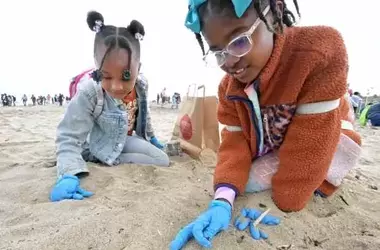 May 17, 2025
Kids Ocean Day Postponed: A Year for Healing
Kids Ocean Day, an annual event since 1991 that educates and engages Los Angeles youth in beach cleanups and environmental stewardship, has been canceled for the year due to residual pollution from the Palisades fire. The event typically involves thousands of children, including youth ambassador Ella Basel, creating art on Dockweiler Beach and cleaning up trash. Concerns over unsafe sand conditions and risks to marine life prompted organizers to prioritize safety. Although disappointed, participants like Basel understand the decision and look forward to the event's return in 2026. In the interim, educational efforts will continue, emphasizing the "ripple effect" of individual actions in protecting the environment. Heal the Bay's reports indicate manageable water quality post-fire, though ongoing testing is needed for certain contaminants.
By Michele Borba May 17, 2025
Medicaid's Crucial Role in Ensuring Child Health and Development
A pediatric resident in Texas highlights the critical role of Medicaid in ensuring children's health and development, citing personal experiences with patients. One child regressed academically and developmentally after losing Medicaid coverage, while another was promptly treated for a rare cancer due to Medicaid's support. With 37 million U.S. children enrolled in Medicaid, funding cuts could severely impact maternal and child health, mental health services, and rural hospital operations. The author emphasizes that Medicaid reduces school absences, boosts educational attainment, and fosters economic contributions. Urging lawmakers to safeguard Medicaid, she warns that reducing its funding would harm children's well-being and future prospects nationwide.
By Tiffany Jewell