ParentsKids
Young Caregivers Face Challenges Balancing Education and Family Responsibilities

In St. Paul, Minnesota, high school senior Joshua Yang has experienced the complexities of balancing academic pursuits with family caregiving responsibilities. At 15, he assumed the role of caregiver for his mother, who was diagnosed with Parkinson’s disease following a severe car accident. This situation is not unique to Yang; researchers estimate that at least 5.4 million children in the U.S. provide care for adults within their homes. As potential federal Medicaid funding cuts loom, there are concerns about an increase in the number of young caregivers and the negative impact this could have on their health and education.
Yang's story reflects a growing national issue where young individuals face significant challenges due to their caregiving roles. After losing access to professional caregiving services in his eleventh grade year, Yang had to navigate complex bureaucratic processes while juggling school responsibilities. His grades suffered, and he had to quit extracurricular activities to dedicate more time to caring for his mother. Although financial assistance from a personal care agency temporarily alleviated some pressures, changes in insurance policies eventually eliminated these supports.
The broader context involves potential reductions in Medicaid funding, which could lead to fewer home and community-based service programs. These programs are vital for family caregivers as they provide necessary financial relief. Economists warn that without such support, many families may rely even more heavily on younger members to fill caregiving gaps. While some studies suggest positive outcomes like increased self-confidence among young caregivers, the overwhelming majority experience adverse effects including higher levels of stress, anxiety, and poorer physical health.
Education systems across several states are beginning to recognize the needs of caregiving students. For instance, Rhode Island mandates that every middle and high school develop policies to assist these students. Principal Lindsey Tavares of Apprenticeship Exploration School highlights how understanding students' caregiving roles has transformed approaches to supporting them academically and emotionally. Initiatives include connecting students with external resources, offering mental health support, and collaborating with teachers to ensure educational continuity.
Nationally, organizations such as the American Association for Caregiving Youth offer specialized programs aimed at empowering young caregivers through peer support, medical training, and summer camps. Pediatrician Julia Belkowitz emphasizes the importance of acknowledging these young individuals' contributions and ensuring policy considerations reflect their realities.
As Joshua Yang transitions to community college, he envisions a shared caregiving future with his maturing siblings. Despite the challenges faced by young caregivers, efforts are underway to better support them, ensuring they receive the help needed to thrive both personally and academically.
Author and consultant advocating for simplified, less stressful childhoods.
Other Articles
 Jun 02, 2025
Annual Youth Fishing Extravaganza at Lester Pond
Warren County Conservation's annual Kid’s Fish Day will be held at Lester Pond in June. Organized by the Friends of Warren County Conservation and the Warren County Izaak Walton League, this event offers children a chance to fish without needing a license. Participants can bring their own fishing poles or use provided ones, along with bait. The event includes awards, door prizes, and a free fish-cleaning demonstration, as well as fish bites prepared by the Izaak Walton League. Scheduled for June 7th from 8:45 am to noon, registration is mandatory. For more details, see the information below.
By Dr. Carlos González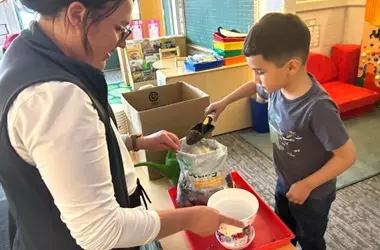 Jun 02, 2025
Gardening and Eco-Education: A Path to Combatting Environmental Anxiety in Young Children
This article explores how early childhood educators in Colorado are addressing eco-anxiety by fostering a love for nature and teaching environmental stewardship through hands-on activities. Preschool teacher Raegan Haines uses gardening and recycling lessons to help young children appreciate the environment without inducing fear. Experts emphasize creating accessible outdoor spaces, as seen at Step by Step Child Development Center, where grants transformed a strip mall location into an engaging outdoor learning area. By integrating nature into daily routines, teachers like Jenni Bauderer aim to instill respect for life and empower children with small, actionable ways to care for the planet. These efforts balance awareness of environmental issues with positive actions, helping mitigate anxiety in young minds.
By Kim John Payne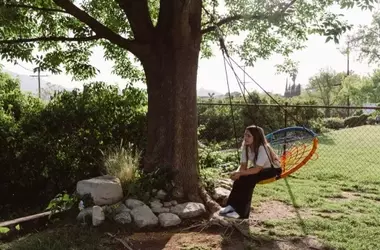 Jun 02, 2025
Rebuilding Lives: A Camp's Role in Healing Young Hearts After Wildfires
The Eaton and Palisades wildfires in California displaced numerous families, severely impacting children's mental health due to disrupted routines and lost familiarities. Emory Stumme, a 10-year-old, experienced emotional breakdowns following her family’s displacement. To address these challenges, Mikey Latner founded Project:Camp in 2018, offering free day camps for disaster-affected children. These camps provide normalcy through activities like arts and crafts, games, and trauma-informed exercises, with mental health professionals on-site. For many children, the camp restored a sense of safety and community. Parents noted improvements in their children’s well-being after attending, while volunteers emphasized the importance of allowing kids to process their experiences at their own pace. Through gratitude circles and wellness checks, the program empowers children to share their stories and begin healing.
By Michele Borba