News
Yellowstone Wolves: Three Decades of Ecological Impact and Debate

The reintroduction of grey wolves to Yellowstone National Park three decades ago marked a significant conservation effort aimed at restoring the park's ecological balance. Initially, the primary goal was to regulate the burgeoning elk population, which had severely impacted the park's plant communities. The prevailing belief has been that this intervention successfully reined in elk numbers and revitalized the ecosystem. However, the actual effects of this reintroduction are far more intricate than a simple cause-and-effect relationship, prompting deeper scientific investigation into the various factors that have shaped Yellowstone's landscape over the past 30 years.
Understanding the multifaceted changes within Yellowstone’s ecosystem since the wolves' return requires a careful examination of various environmental and biological influences. While wolves undeniably play a role in predator-prey dynamics, attributing all observed ecological shifts solely to their presence overlooks other critical variables like climate patterns, human activities, and the health of other species. The long-term narrative surrounding the Yellowstone wolf reintroduction is not just an academic discussion; it has profound implications for future conservation strategies and the reintroduction of apex predators in other regions, highlighting the importance of thorough, data-driven assessments rather than relying on simplified interpretations.
The Yellowstone wolf story serves as a powerful testament to the intricate interconnectedness of natural systems and the potential for human intervention to foster ecological recovery. It underscores the importance of persistent scientific inquiry and adaptive management in conservation, encouraging us to approach environmental challenges with a holistic perspective. By acknowledging the complexities of ecosystems, we can develop more effective and sustainable strategies for nurturing biodiversity and ensuring a thriving natural world for generations to come, embodying a commitment to environmental stewardship and a harmonious coexistence with wildlife.
Veteran BBC and OZY journalist, author, and commentator on US politics and women's issues.
Other Articles
 Aug 20, 2025
Unprecedented Turnover Among Election Administrators Signals Systemic Challenges
A significant exodus of local election officials has been observed, with nearly two-fifths of those who managed the 2020 election departing before the 2024 cycle. This heightened turnover, particularly in larger jurisdictions, stems from increased pressure, harassment, and misinformation following the 2020 presidential election. Experts attribute this trend to underfunding and ongoing challenges, despite officials' resilience in ensuring fair elections.
By Rageh Omaar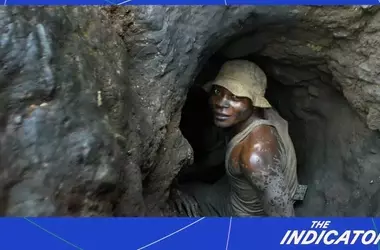 Aug 20, 2025
The Rise of Cobalt-Free Batteries in Chinese EVs: A US Conundrum
A significant shift is occurring in the electric vehicle battery industry, with a growing preference for cobalt-free, iron phosphate-based batteries, particularly in China. This move challenges the long-standing dominance of cobalt-containing lithium batteries, driven by ethical concerns surrounding cobalt mining and a search for more sustainable alternatives. The article explores why the United States has yet to fully embrace this trend, lagging behind China's rapid adoption of cobalt-free battery technology.
By Katty Kay Aug 20, 2025
The Silent Vigil: Bridging Divides in Tel Aviv
This article delves into the profound impact of a silent vigil in Tel Aviv, where participants hold images of Gazan children, fostering an unexpected dialogue in a deeply polarized society. It explores the challenges of empathetic communication amid conflict, highlighting how silence can transcend verbal confrontation and allow for deeper understanding, even in the face of intense disagreement and raw emotion.
By Lester Holt