Medical Devices
Wheelchairs — Design, Functionality, and Role in Mobility Support

Objective
The objective of this article is to provide a comprehensive and neutral overview of wheelchairs, including their design principles, functional mechanisms, and broader role in mobility support systems.
Basic Concept Explanation
A wheelchair is a device equipped with wheels that enables movement for individuals who are unable to walk or have difficulty walking. Wheelchairs may be manually operated or powered by electric systems.
They are designed to provide mobility, independence, and support for daily activities.
Core Mechanisms and In-Depth Explanation
Wheelchair functionality is based on several design elements:
- Frame Structure: Provides stability and supports the user’s weight.
- Wheel Configuration: Includes rear wheels for propulsion and front casters for maneuverability.
- Seating System: Designed for comfort and posture support, often incorporating adjustable features.
- Control Systems: In powered models, electronic controls enable navigation and speed regulation.
Ergonomic considerations play a significant role in preventing discomfort and maintaining posture over extended use.
Comprehensive Overview and Objective Discussion
Wheelchairs are used in a wide range of contexts, including temporary recovery, long-term disability, and age-related mobility limitations. Their design varies depending on user needs, such as indoor maneuverability or outdoor durability.
Considerations in wheelchair use include accessibility of environments, transportation compatibility, and maintenance requirements. Technological developments have introduced advanced materials and smart control systems.
Summary and Outlook
Wheelchairs remain essential tools in mobility support, with ongoing innovation focused on improving usability, comfort, and adaptability. Future developments may include integration with assistive technologies and enhanced customization.
Q&A Section
Q1: What is the difference between manual and powered wheelchairs?
Manual wheelchairs require physical propulsion, while powered models use electric motors.
Q2: Are wheelchairs customizable?
Many models offer adjustable features to accommodate individual needs.
Q3: What factors influence wheelchair selection?
Factors include user mobility level, environment, and duration of use.

Other Articles
 Mar 18, 2026
Oxygen Concentrators — Principles and Medical Context
Oxygen concentrators are medical devices that supply oxygen by filtering and concentrating it from ambient air. This article explains their function, underlying technology, and clinical relevance.
 By Dr. Peter Van Dijk
 Mar 13, 2026
Medical Monitors: Understanding Their Role, Function, and Context in Modern Healthcare
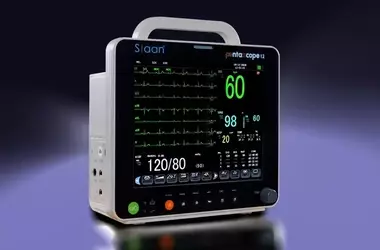
Medical monitors are widely used devices in healthcare settings that continuously measure and display physiological parameters of patients. These systems help healthcare professionals observe vital signs such as heart rate, blood pressure, oxygen saturation, and respiratory rate in real time. This article explains what medical monitors are, outlines their basic components, examines the mechanisms through which they collect and interpret physiological signals, and discusses their broader role in clinical practice. The discussion also considers limitations, technological developments, and common questions surrounding their use. The goal is to present a neutral, educational overview that clarifies how medical monitoring systems operate and how they fit into modern medical environments.
By Dr. Peter Van Dijk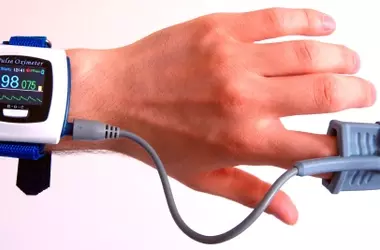 Mar 12, 2026
Pulse Oximeters: what they measure, how they work, limits, and practical context
This article explains what a pulse oximeter is and what it measures, outlines the goals of discussing the topic, explains basic definitions and the physical principles involved, examines core mechanisms in technical detail, presents an objective account of performance, limitations and relevant standards, and closes with a concise summary and a short question-and-answer section. The text is strictly informational and neutral in tone; it does not recommend, endorse, or promote any product or service.
 By Dr. Mei Wong