Medical Devices
What Is a Continuous Glucose Monitor (CGM)?

A Continuous Glucose Monitor (CGM) is a medical technology designed to provide real-time, automated tracking of glucose levels throughout the day and night. Unlike traditional blood glucose meters that require discrete capillary blood samples via finger-sticks, a CGM system utilizes a semi-invasive sensor to measure glucose concentrations in the interstitial fluid—the fluid surrounding the body's cells. This article provides an objective analysis of CGM technology, exploring its fundamental components, the biochemical mechanisms of its sensors, its clinical utility compared to traditional monitoring, and the future trajectory of metabolic sensing.
Through the following sections, we will examine the hardware that constitutes a CGM system, the physiological "lag time" inherent in interstitial fluid monitoring, and the data-driven landscape of modern glycemic management.

1. Basic Conceptual Analysis: Components of a CGM System
A standard CGM system consists of three primary integrated components that work in tandem to capture and transmit metabolic data:
- The Sensor: A small, flexible filament inserted just under the skin (usually on the abdomen or back of the arm). It contains specialized enzymes that react with glucose.
- The Transmitter: A reusable or disposable device that sits on top of the sensor. It processes the electrical signals generated by the sensor and sends them wirelessly to a receiver.
- The Receiver/Display: A dedicated handheld device or a compatible smartphone application that translates the data into a numerical value and a visual trend graph.
The primary metric provided by a CGM is the Estimated Glucose Value (EGV). Unlike a snapshot provided by a manual meter, a CGM records data points at frequent intervals—typically every $1$ to $5$ minutes—generating up to $288$ readings in a $24$-hour period. This allows for the calculation of "Time in Range" (TIR), a clinical metric representing the percentage of time an individual's glucose remains within a target window, typically $70$ to $180$ mg/dL.
2. Core Mechanisms and In-depth Explanation
The functionality of a CGM relies on glucose oxidase biosensors and the principles of electrochemistry.
Interstitial Fluid vs. Blood Glucose
It is a common misconception that CGMs measure blood glucose directly. Instead, they measure glucose in the interstitial fluid (ISF). Because glucose must travel from the capillaries into the ISF, there is a physiological delay known as lag time. Under stable conditions, ISF and blood glucose levels are nearly identical; however, during rapid changes (such as after a meal or exercise), the ISF reading may lag behind blood glucose by $5$ to $15$ minutes.
The Biochemical Reaction
The sensor filament is coated with the enzyme glucose oxidase. When glucose molecules in the ISF come into contact with the sensor, the following reaction occurs:
- Oxidation: Glucose oxidase catalyzes the oxidation of glucose, producing gluconic acid and hydrogen peroxide.
- Electron Transfer: The reaction generates an electrical current (amperometry).
- Signal Conversion: The magnitude of this current is directly proportional to the glucose concentration. The transmitter sends this current data to the receiver, where an algorithm converts the electrical signal into a glucose concentration value.
Factory Calibration vs. Manual Calibration
Early CGM models required "calibration" using a traditional finger-stick meter to ensure the sensor's accuracy. Many contemporary systems are now "factory-calibrated," meaning the relationship between the electrical signal and glucose levels is pre-set during manufacturing. However, environmental factors and individual physiological differences can still influence sensor performance.
3. Presenting the Full Picture: Objective Clinical Landscape
The adoption of CGM technology has shifted the focus of metabolic monitoring from static numbers to dynamic trends. According to the American Diabetes Association (ADA), the use of CGM is associated with improved glycemic stability and a reduction in both hyperglycemic (high) and hypoglycemic (low) events.
Comparison: CGM vs. Self-Monitoring of Blood Glucose (SMBG)
| Feature | SMBG (Finger-stick) | CGM (Continuous) |
| Measurement Medium | Capillary Blood | Interstitial Fluid |
| Data Type | Snapshot (Single point) | Trend (Continuous stream) |
| User Effort | Manual (4-10 times/day) | Passive (Automated) |
| Alert Systems | None | Alarms for highs/lows |
| Lag Time | Negligible | 5–15 minutes |
Accuracy Metrics (MARD)
The accuracy of a CGM is measured by the Mean Absolute Relative Difference (MARD). A lower MARD percentage indicates higher accuracy. Most modern CGM systems achieve a MARD below $10\%$, which is the threshold often cited by regulatory bodies like the U.S. Food and Drug Administration (FDA) for making treatment decisions without a confirmatory finger-stick.
4. Summary and Future Outlook
Continuous Glucose Monitoring represents a transition toward "bio-wearables"—devices that provide a constant window into internal physiology. While initially used almost exclusively for Type 1 diabetes, the application of CGM is expanding into Type 2 diabetes management and general metabolic health research.
Emerging Technological Directions:
- Non-Invasive Sensing: Research is active in optical and electromagnetic sensors that could measure glucose through the skin without a physical filament.
- Fully Implantable Sensors: Devices that can be implanted under the skin for several months, reducing the need for frequent sensor changes.
- Automated Insulin Delivery (AID): CGMs serve as the "sensor" in closed-loop systems (artificial pancreas), where the data is used by an algorithm to automatically adjust insulin pump delivery.
- Multi-Analyte Sensors: Future wearables may measure glucose alongside other metabolites like lactate or ketones to provide a broader picture of metabolic health.
5. Q&A: Clarifying Common Technical Inquiries
Q: Why does my CGM show a different number than my finger-stick meter?
A: This is primarily due to lag time and the difference in measurement media (ISF vs. blood). Additionally, every device has a margin of error. If glucose levels are changing rapidly, the difference between the two devices will naturally be larger.
Q: Can I wear a CGM during an MRI or X-ray?
A: Most CGM components contain metal and electronic circuits. Standard clinical protocol requires the removal of the sensor and transmitter before an MRI, CT scan, or high-dose X-ray to prevent damage to the device or interference with the image.
Q: Does a CGM "treat" diabetes?
A: No. A CGM is an informational tool. It provides the data necessary for individuals and healthcare providers to make informed decisions regarding diet, physical activity, and medication. It does not administer any therapeutic substances.
Q: How long do the sensors last?
A: Current commercially available sensors are approved for wear periods ranging from $7$ to $14$ days, depending on the manufacturer. After this period, the enzymatic reaction on the filament becomes less reliable, and the sensor must be replaced.
This article serves as an educational summary of Continuous Glucose Monitoring technology. For detailed data on device specifications or clinical outcomes, readers should consult resources provided by the National Institute of Diabetes and Digestive and Kidney Diseases (NIDDK) or the Association of Diabetes Care & Education Specialists (ADCES).

Other Articles
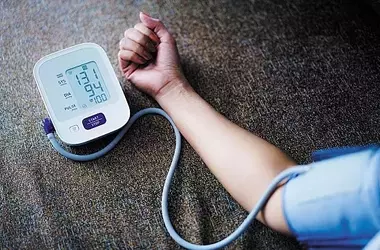 Dec 22, 2025
What Is a Blood Pressure Monitor and Who Uses It?
A blood pressure monitor, technically referred to as a sphygmomanometer, is a medical instrument used to measure the force exerted by circulating blood against the internal walls of the arteries. This measurement is a cornerstone of cardiovascular health assessment, providing two critical values: systolic and diastolic pressure. This article serves as a comprehensive guide to understanding the nature of these devices, the scientific principles that allow them to function, the diverse populations that rely on them for health management, and the future of non-invasive vascular monitoring.
 By Dr. Ibrahim Khalil
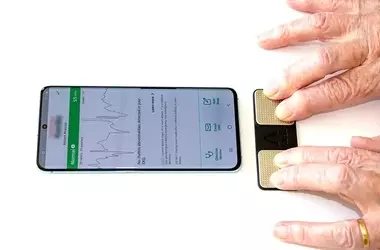 Dec 19, 2025
Home Electrocardiogram Devices: A Guide to Understanding Personal Heart Monitoring Technology
In an era where health monitoring has become increasingly integrated into daily life, personal devices for heart health assessment are gaining attention among the general population. As technology advances, tools once confined to clinical settings are now accessible for home use, offering individuals new ways to monitor their cardiovascular health. This article provides a neutral, factual overview of home electrocardiogram (ECG) devices, exploring their purpose, mechanisms, and role in personal health monitoring. The discussion will follow a structured approach: first clarifying fundamental concepts, then examining the underlying mechanisms of these devices, followed by an objective assessment of their current applications, a summary of the technology's role in health monitoring, and finally, addressing common questions about this form of personal health technology.
 By Dr. Aisha Rahman
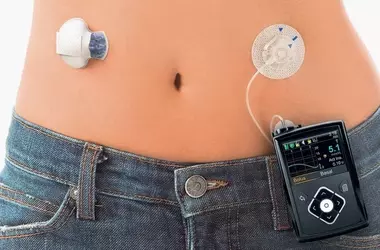 Dec 19, 2025
Insulin Pumps: A Comprehensive Guide to Understanding Continuous Insulin Delivery Systems
In the evolving landscape of diabetes management, individuals and healthcare providers increasingly encounter advanced tools designed to support better blood sugar control. Among these innovations, insulin pumps have emerged as a significant option for many people with diabetes. This article provides a neutral, factual overview of insulin pumps, exploring their purpose, mechanisms, and role in diabetes care. The discussion will follow a structured approach: first clarifying fundamental concepts, then examining the underlying mechanisms of insulin pump therapy, followed by an objective assessment of the technology, a summary of current practices, and finally, addressing common questions about this treatment option.
 By Elena Petrova