News
US Wheat Farmers Grapple with Trade Uncertainties Amid Tariff Landscape

The United States' agricultural sector, particularly its wheat farmers, finds itself at a precarious juncture, grappling with the ripple effects of evolving trade policies. Amid the implementation of new tariffs by the Trump administration, a palpable sense of apprehension has settled over American producers. This unease extends beyond domestic markets, with U.S. exporters, especially those deeply integrated into the global supply chain like wheat growers, expressing significant concern that foreign partners, nurtured over decades, might explore other avenues for their agricultural needs.
This growing anxiety was underscored by a recent trade mission to the Pacific Northwest, involving major grain purchasers and mill operators from Southeast Asian nations such as Indonesia, Thailand, Vietnam, and the Philippines. While such visits are typically routine, offering foreign buyers direct insight into the harvest, the current climate is anything but ordinary. Washington state, a dominant force in wheat exports with approximately 90% of its dryland crop destined for overseas markets, is particularly vulnerable. The recent imposition of a 20% tariff on imports from these key Asian partners, alongside fears of retaliatory measures, casts a long shadow over these crucial relationships, potentially driving up costs for American farmers and jeopardizing their competitive edge.
Despite the current political headwinds, industry leaders remain committed to sustaining these vital international connections. Casey Chumrau, CEO of the Washington Grain Commission, emphasized the enduring strength of relationships built over generations, asserting confidence in continued demand for U.S. wheat regardless of shifting political tides. However, beneath this optimistic facade, a collective nervousness prevails. Farmers and trade organizations across the nation are actively working to reassure their foreign counterparts that the U.S. remains a reliable business partner despite the present volatility. Veteran wheat farmer Jim Moyer, whose family has cultivated land in eastern Washington since 1891, voiced a profound need for market stability, warning that prolonged uncertainty could compel trading partners to simply look elsewhere. While the administration has pledged financial assistance, similar to support provided during the 2018 trade conflicts, the agricultural community in regions like the Pacific Northwest faces a harvest season shadowed by significant economic uncertainty and operational challenges, including increased fertilizer prices and soaring equipment costs.
The current trade environment serves as a powerful reminder of the interconnectedness of global economies and the profound impact that policy decisions can have on the livelihoods of individuals and entire industries. For the American farmer, navigating these turbulent waters requires resilience, adaptation, and an unwavering commitment to quality and partnership. This period of uncertainty, though challenging, also presents an opportunity for innovative approaches to market engagement and a renewed emphasis on fostering goodwill and reliability in international trade, ultimately promoting a more stable and prosperous future for all involved.
Noted journalist and author, though primarily known as a novelist, her work often comments on social and political issues.
Other Articles
 Aug 20, 2025
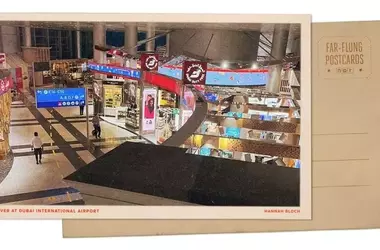
Dubai Airport: A Hub of Transit and Reflection
The Dubai International Airport, the world's busiest international hub, offers a unique experience for travelers with long layovers. Beyond its sprawling infrastructure of duty-free shops, diverse eateries, and tranquil gardens, it serves as a melting pot of cultures and languages. For many, including the author, these extended stops provide an unexpected opportunity for introspection and a moment to recalibrate amidst the fast pace of global travel, offering a poignant sense of being everywhere and nowhere all at once.
By Ann Curry Aug 20, 2025
Innovative Robotics Revolutionizes Olive Harvesting
A groundbreaking robotic system, developed by a team of Spanish engineers, is set to transform olive harvesting. This innovative technology promises enhanced efficiency and reduced labor costs, marking a significant advancement in agricultural automation.
By Isabel Allende Aug 20, 2025
Zach Cherry's Journey from Office Life to Emmy Nomination
Zach Cherry, an actor recently nominated for an Emmy for his role in 'Severance,' shares insights into his career trajectory, from his beginnings in improv comedy and his office job in Manhattan to his breakthrough in television and film. He discusses the transition from comedy to dramatic roles and the surreal experience of achieving recognition in Hollywood.
By Christianne Amanpour