News
US Imposes New Tariff Rates with Revised Implementation Dates

The United States administration has unveiled a comprehensive set of revised tariff rates, impacting more than sixty-five countries and the European Union. While some of these new rates align with previously communicated intentions, a significant shift has occurred regarding their implementation timeline. Despite earlier announcements suggesting an August 1st effective date, an executive order issued on Thursday evening indicates that the majority of these new tariffs will not take effect for at least another week, underscoring the fluid nature of international trade discussions and policy adjustments.
President Trump's administration has formally issued updated tariff schedules, encompassing a vast array of nations and the European Union. These new rates, detailed in an executive order, represent a blend of previously signaled adjustments and newly negotiated terms. Notably, the anticipated start date for these tariffs, initially set for August 1st, has been largely deferred, with most rates now slated to commence approximately one week later. This delay highlights the complex and often protracted nature of global trade negotiations, as the administration continues to engage with various trading partners.
Specific provisions within the executive order outline unique considerations for several key trading partners. For instance, Canada faces new tariffs of 35% on certain goods beginning August 1st, particularly those not covered under the USMCA agreement. This measure, detailed in a separate executive order, is attributed to concerns over illicit drug trafficking and perceived retaliatory actions by Canada. Discussions with China, meanwhile, are ongoing, with the existing tariff order remaining in effect for the time being. As for Mexico, the White House confirmed a pause in new tariff implementations as negotiations progress. Furthermore, a substantial 40% tariff is to be imposed on transshipment activities, targeting countries attempting to circumvent tariffs by routing goods through intermediaries.
It is crucial to understand that while these tariffs are framed as charges levied on other nations, the financial burden is primarily borne by importers within the United States. These domestic businesses are responsible for paying the tariffs directly to the U.S. government. Although foreign entities may absorb a portion of these costs, historical patterns indicate that American businesses and consumers frequently encounter increased prices as a direct consequence of such import duties.
The announcement of these new tariff rates and their staggered implementation reflects the dynamic and often unpredictable landscape of global trade policy under the current administration. The modifications and delays signal ongoing diplomatic efforts and a strategic approach to economic leverage, influencing a broad spectrum of international commercial relationships.
Award-winning journalist and former NBC News anchor and Today show co-host.
Other Articles
 Jul 31, 2025
Trump Extends Trade Deadline with Mexico for 90 Days
President Trump announced a 90-day extension on tariffs with Mexico, a decision following a "very successful" discussion with Mexican President Claudia Sheinbaum. This move postpones previously set tariff implementations, including a 25% fentanyl tariff, 25% car tariff, and 50% tariffs on steel, aluminum, and copper, as both nations aim to finalize a comprehensive trade agreement. The extension provides a crucial window for negotiations, highlighting the intricate nature of U.S.-Mexico trade relations, particularly concerning border issues and non-tariff barriers.
By Rageh Omaar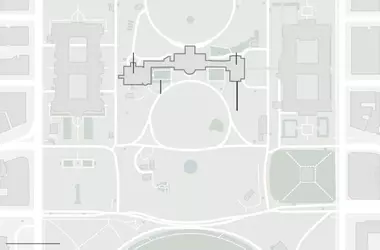 Aug 01, 2025
White House to Undergo Major Expansion with New Grand Ballroom
President Trump is set to undertake one of the most significant renovations to the White House in decades, proposing a sprawling 90,000-square-foot state ballroom off the East Wing. This ambitious $200 million project, intended to dramatically increase event capacity, raises questions about funding, conflicts of interest, and its potential impact on the historic structure, reflecting the President's vision to leave a personal architectural legacy.
By Isabel Allende Jul 31, 2025
White House Adjusts Tariff Policies and Enforcement Timelines
The White House has modified its tariff policies, granting Mexico a temporary reprieve from increased import duties while other nations face higher taxes. This decision, announced just before new tariffs were set to begin, has prompted questions regarding the legality of presidential tariff imposition. A federal appeals court is currently deliberating on the president's authority in this matter, with potential long-term implications for international trade and domestic economic conditions.
By Michele Norris