ParentsKids
Unveiling Autism's Complexity: New Research Identifies Four Distinct Subtypes

Autism Spectrum Disorder (ASD) diagnoses are becoming increasingly common, with recent statistics indicating a rise in prevalence among children. While improved diagnostic methods contribute to this trend, the scientific community continues to explore the multifaceted nature of ASD. This ongoing quest for deeper understanding has led to significant advancements in identifying the underlying complexities of the condition.
A collaborative research endeavor by Princeton University and the Simmons Foundation has uncovered four distinct subtypes of autism, offering a more nuanced perspective on this spectrum disorder. Published in Nature Genetics, this comprehensive study analyzed an extensive dataset, including genetic information and over 230 behavioral and developmental traits from thousands of participants in the SPARK autism research program. By employing a sophisticated computational model, researchers were able to categorize individuals into groups based on shared characteristics, moving beyond a one-size-fits-all approach to autism. These identified subtypes include: the Social and Behavioral Challenges Group (37%), characterized by common autism traits and co-occurring conditions like ADHD; the Moderate Challenges Group (34%), exhibiting core autism behaviors to a lesser degree without significant psychiatric conditions; the Mixed ASD with Developmental Delay Group (19%), where individuals show variable social and repetitive behaviors alongside developmental delays; and the Broadly Affected Group (10%), facing severe challenges across various domains, including communication and mood regulation.
This pioneering research, while preliminary, marks a crucial step toward refining diagnostic accuracy and developing more individualized care strategies for those with autism. By connecting specific behavioral patterns and medical profiles with genetic commonalities, scientists hope to foster a more precise understanding of ASD, ultimately leading to more effective and personalized support for autistic individuals and their families. The findings suggest that autism is not a monolithic condition, but rather a constellation of related, yet distinct, presentations, underscoring the importance of continued exploration to unravel its full complexity.
Embracing the complexities of neurological conditions like autism allows us to move towards a future where every individual receives the precise understanding and tailored support they deserve. This research exemplifies the power of dedicated scientific inquiry to illuminate previously unseen dimensions of human experience, fostering compassion, innovation, and ultimately, a more inclusive and supportive society for all.
Child psychologist and author known for his practical, no-nonsense parenting advice and TV shows.
Other Articles
 Jul 10, 2025
Lindsay Lohan: Balancing Stardom and Motherhood's Joys
Lindsay Lohan shares her fulfilling journey through motherhood as her son, Luai, approaches his second birthday. She discusses the daily delights of watching him grow and learn, highlighting his newfound fascination with counting stairs. Lohan also touches on the challenges and joys of balancing her acting career, family life with husband Bader Shammas, and her aspirations for future children, all while prioritizing self-care and being present for her son's formative years.
By Michele Borba Jul 10, 2025
Timeless Charm: The Allure of "Old Money" Baby Names
Delve into the sophisticated world of 'old money' baby names, exploring their classic appeal and enduring popularity. This guide offers a comprehensive collection of elegant names for boys, girls, and gender-neutral options, drawing inspiration from family history, traditional surnames, and a sense of timeless grandeur. Discover how these names evoke an image of grace and tradition, providing a distinguished choice for your child.
By Emily Oster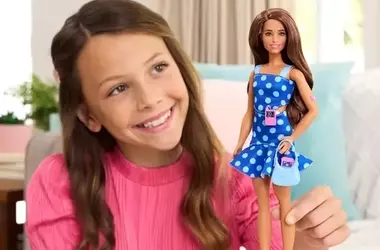 Jul 10, 2025
Barbie Promotes Inclusivity with New Type 1 Diabetes Doll
Mattel and Breakthrough T1D have partnered to launch the first Barbie doll with Type 1 Diabetes (T1D). This innovative doll aims to provide representation for children living with T1D, helping them see themselves in their toys and fostering understanding among their peers. The doll features a continuous glucose monitor (CGM) and an insulin pump, alongside symbolic blue attire, reflecting real-life T1D management.
By Adele Faber