ParentsKids
Unschooling: A Child-Led Approach to Education

Unschooling, a distinctive educational approach, empowers children to steer their own learning journey. Unlike conventional schooling or even structured homeschooling, this method centers on a child's natural curiosity and engagement with the world around them, rather than adherence to a rigid curriculum or formal assessments. It advocates for learning through lived experiences and self-chosen activities, allowing children to delve deeply into subjects that genuinely captivate their interest. This philosophy fosters an environment where education is a continuous, integrated part of daily life, without the pressure of grades or fixed schedules.
The benefits of unschooling are manifold, primarily offering a personalized learning experience that adapts to each child's unique pace and passions. By eliminating traditional grading systems and academic pressures, it aims to cultivate an intrinsic love for learning. This approach also naturally increases the amount of quality time families spend together, transforming everyday activities into educational opportunities. However, unschooling comes with its own set of challenges, including the need for consistent and engaged parental involvement to guide and support the child's explorations. Ensuring the development of fundamental skills and maintaining a balance between freedom and necessary structure are critical aspects that parents must navigate to make this educational path successful.
Ultimately, unschooling represents a profound shift in how we perceive education, moving from a prescriptive model to one that is responsive and child-centered. It highlights the importance of fostering self-direction and critical thinking from an early age, preparing children not just for academic success, but for a lifetime of adaptive learning and personal fulfillment. While demanding active participation from parents, unschooling offers a unique opportunity to build strong family bonds through shared discovery and mutual respect for the learning process, demonstrating that true education stems from engagement and intrinsic motivation rather than external compulsion.
Pediatrician and author promoting attachment parenting and breastfeeding in the Spanish-speaking world.
Other Articles
 Jul 09, 2025
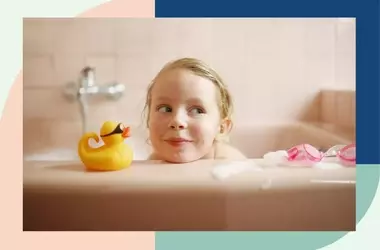
The Efficacy and Utility of Bathtub Water Filters
This article explores the functionality, advantages, and disadvantages of bathtub water filters. While not universally necessary, these filters can be particularly beneficial for individuals, especially children, with sensitive skin conditions like eczema, by reducing irritants such as chlorine. The piece highlights that while these filters improve water quality, they don't purify to the same extent as whole-house systems and require regular maintenance. Expert opinions suggest their value lies in offering peace of mind and enhanced skin comfort for those with specific needs, rather than being a household essential.
By Dr. Benjamin Spock Jul 09, 2025
The Soaring Price of Parenthood: Childcare Costs Push Families to the Brink
A new report reveals the alarming reality of childcare expenses in the U.S., with married couples spending over 13% and single parents over 51% of their income. This financial strain forces many mothers to reconsider family expansion and career choices, highlighting a broken system in urgent need of structural reform and affordable solutions. The narrative emphasizes that childcare has become an insurmountable barrier rather than a support for working families.
By Emily Oster Jul 09, 2025
The Evolving Lexicon of Youth: Understanding 'My Ball' and Digital Slang Trends
Dive into the latest youth slang, 'my ball,' a term gaining rapid traction among teens and on social media platforms like TikTok and Twitch. This article explores its origins, its various interpretations, and how online streaming culture plays a significant role in the accelerated evolution of modern language. Discover what parents should know about this and other emerging slang to better understand their teenagers' world.
By Dr. Carlos González