Art Training
Understanding Performing Arts Training: Concepts, Methods, and Educational Mechanisms

1. Clear Objective
The objective of this article is to provide a neutral and comprehensive overview of performing arts training. It aims to clarify what such training involves, what skills are cultivated, how training programs are structured, and what underlying mechanisms contribute to artistic development. The discussion focuses on knowledge dissemination without promoting specific institutions or outcomes.
2. Basic Concept Explanation
Performing arts training is the systematic development of abilities in disciplines that involve live performance and artistic expression. These disciplines include, but are not limited to:
- Music performance (instrumental or vocal)
- Dance (classical, contemporary, or cultural forms)
- Theater and acting
- Performance production elements such as stagecraft and improvisation
Training in the performing arts typically combines technical skill development, theoretical knowledge, creative exploration, and performance practice. The goal is to cultivate both competence and expressive capability.
Key areas of focus include:
- Technical proficiency: mastering specific techniques related to the chosen art form
- Artistic interpretation: developing expressive and creative skills
- Physical conditioning: building stamina, flexibility, and coordination
- Cognitive and emotional skills: memory, focus, and emotional expression
3. Core Mechanisms and In-Depth Explanation
Performing arts training relies on several mechanisms, spanning cognitive, physical, and emotional domains.
Technical Skill Acquisition
Learners acquire technical skills through repetition, demonstration, and feedback. Mechanisms include:
- Incremental learning: breaking down complex tasks into smaller components
- Deliberate practice: focused, repetitive practice with the goal of improving specific skills
- Mentorship and modeling: observing and emulating experienced practitioners
Creative and Interpretive Development
Artistic expression involves integrating technical skill with interpretation. Mechanisms include:
- Improvisation and experimentation to explore creative possibilities
- Analysis of repertoire or performance pieces for stylistic and emotional nuances
- Reflection and critique to refine expressive choices
Physical Conditioning and Body Awareness
Many performing arts disciplines require physical conditioning. This includes:
- Coordination and motor control
- Flexibility and strength
- Endurance for sustained performance
Cognitive and Emotional Mechanisms
Training also engages cognitive and emotional systems:
- Memory: recalling sequences, scripts, or musical passages
- Attention and focus: maintaining concentration during performance
- Emotional regulation: expressing and modulating emotions appropriately in performance contexts
Assessment and Feedback
Structured feedback mechanisms support skill refinement. These may include:
- Instructor evaluation
- Peer review and collaborative critique
- Self-assessment and reflective practice
4. Comprehensive and Objective Discussion
Variability Across Disciplines
Performing arts training differs across disciplines in its focus, methods, and outcomes:
- Music emphasizes technical proficiency and auditory perception
- Dance emphasizes physical conditioning, timing, and expressive movement
- Theater emphasizes verbal articulation, emotional expression, and stage presence
Training Formats
Programs can vary in format:
- Conservatory-style full-time training
- Part-time or modular courses
- Workshops and masterclasses
Challenges and Considerations
Challenges in performing arts training include:
- Physical demands leading to potential injury
- Cognitive load associated with memorization and multitasking
- Balancing technical skill with creative expression
- Variability in access to resources and instruction
Role in Cultural and Educational Contexts
Performing arts training contributes to cultural literacy, aesthetic appreciation, and creative expression. It may also enhance transferable skills such as communication, discipline, and collaboration.
Research and Developments
Recent research and innovations include:
- Use of digital tools for practice and performance analysis
- Integration of cross-disciplinary approaches, such as combining music and movement
- Emphasis on mental health and well-being in intensive training environments
5. Summary and Outlook
Performing arts training is a structured, multifaceted educational process aimed at developing technical proficiency, artistic expression, physical conditioning, and cognitive-emotional skills. It integrates practice, feedback, and reflection within a cultural and educational framework.
Future developments may involve enhanced use of technology, interdisciplinary collaboration, and increased attention to wellness and injury prevention. The field continues to adapt to evolving cultural contexts and educational standards.
6. Q&A Section
Q1: What is performing arts training?
It is a structured educational process for developing skills in disciplines such as music, dance, and theater.
Q2: What skills are emphasized in training?
Technical proficiency, creative interpretation, physical conditioning, and cognitive-emotional skills.
Q3: How are technical skills developed?
Through deliberate practice, modeling, feedback, and incremental skill-building exercises.
Q4: What challenges are common in performing arts training?
Physical demands, cognitive load, balancing creativity with technique, and variability in resources.
Q5: Why is performing arts training significant beyond technical skills?
It fosters cultural literacy, aesthetic appreciation, creativity, and transferable professional skills.
References (Links Only)
https://www.nyc.gov/assets/education
https://www.arts.gov/initiatives/performing-arts
https://www.sciencedirect.com/topics/psychology/performing-arts
https://www.britannica.com/art/performing-arts
https://www.nationaltheatre.org.uk/resources/educational-training

Contemporary dance choreographer and instructor exploring movement as a form of emotional expression.
Exploration ArchivesOther Articles
 Apr 01, 2026
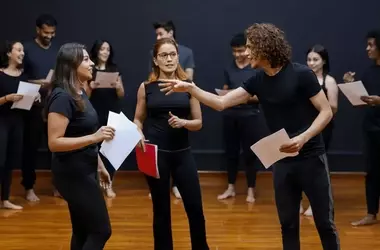
Theater Training: Definition, Methods, and Educational Impact
Theater training is a structured educational process aimed at developing performance skills, artistic expression, and collaborative abilities in participants. This article defines theater training, explains its foundational concepts, examines mechanisms for skill development, and discusses broader educational and cultural applications. The discussion follows a structured progression: objective clarification, foundational concepts, mechanism analysis, comprehensive overview, summary and outlook, and a question-and-answer section.
 By Youssef Khoury
 Mar 30, 2026
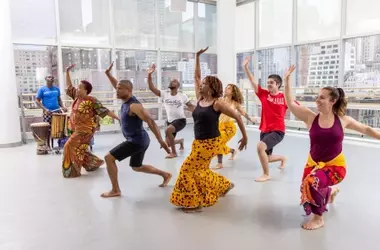
Dance Training: Concepts, Learning Processes, and Broader Context
Dance training is a structured process of learning movement patterns, timing, coordination, expression, and style within a specific dance practice. Because dance may be rehearsed or improvised, solo or group-based, and highly varied across traditions, training is not a single fixed model but a family of learning methods shaped by technique, culture, and physical demands. This article defines the core concept, explains the mechanisms of skill acquisition, presents a balanced discussion of benefits and limitations, and closes with a summary and question-and-answer section.
By Youssef Khoury Mar 30, 2026
Violin Training: Fundamentals, Techniques, and Educational Approaches
Violin training involves structured educational programs aimed at developing proficiency in playing the violin, including technical skills, musical interpretation, and theoretical understanding. This article provides a neutral, evidence-based overview of violin training, defining the concept, explaining core mechanisms of skill acquisition, exploring pedagogical methods, and presenting a comprehensive discussion of benefits, challenges, and broader educational implications. A summary, outlook, and question-and-answer section conclude the discussion.
 By Natalia Petrova