Medical Devices
Understanding Continuous Glucose Monitoring (CGM): A Technical and Physiological Overview

Continuous Glucose Monitoring (CGM) is a medical technology designed to provide real-time, automated tracking of glucose levels throughout the day and night. Unlike traditional capillary blood glucose monitoring, which requires periodic finger pricks to obtain "snapshots" of blood sugar, CGM systems utilize subcutaneous sensors to measure glucose concentrations in the interstitial fluid. This article provides a neutral, scientific exploration of CGM technology, detailing its structural components, the biochemical mechanisms of interstitial sensing, and its role in modern metabolic management. The following sections follow a structured trajectory: defining the technological framework, explaining the physiological relationship between blood and interstitial glucose, evaluating clinical utility through objective data, and concluding with a technical inquiry section to clarify common operational questions.

1. Basic Conceptual Analysis: The Architecture of CGM
To understand CGM, one must first distinguish its hardware components and the specific biological compartment it monitors.
System Components
A standard CGM system typically consists of three primary elements:
- The Sensor: A small, flexible filament inserted just under the skin (usually on the arm or abdomen). It contains enzymes that react with glucose.
- The Transmitter: A reusable or disposable device attached to the sensor that sends data wirelessly to a receiver.
- The Receiver/Display: A dedicated handheld device or a compatible smartphone application that translates the signals into a visual glucose curve.
Interstitial Fluid vs. Blood Glucose
It is a fundamental concept in CGM technology that the device does not measure blood glucose directly. Instead, it measures glucose in the interstitial fluid (ISF)—the fluid surrounding the body's cells. Because glucose must travel from the capillaries into the ISF, there is a physiological "lag time" between a change in blood sugar and its detection by the CGM sensor, typically ranging from 5 to 15 minutes.
2. Core Mechanisms: Glucose Oxidase and Signal Transduction
The conversion of a biological concentration into a digital readout involves a specific electrochemical process known as glucose sensing.
The Enzymatic Reaction
Most current CGM sensors utilize the glucose oxidase (GOx) enzyme. The sensor filament is coated with this enzyme, which catalyzes a reaction with glucose present in the interstitial fluid.
- Oxidation: Glucose is oxidized by the enzyme, producing gluconic acid and hydrogen peroxide.
- Electron Transfer: The reaction generates an electrical current proportional to the concentration of glucose.
- Data Processing: The transmitter measures this tiny electrical current (often in nanoamperes) and sends the data to the receiver, where algorithms convert the current into a glucose value (mg/dL or mmol/L).
Calibration and Accuracy
The accuracy of a CGM is measured by the Mean Absolute Relative Difference (MARD). A lower MARD percentage indicates a system that more closely mirrors laboratory blood glucose values. While some modern systems are factory-calibrated, others require periodic finger-prick blood tests to "align" the sensor's digital scale with the actual blood glucose concentration.
3. Presenting the Full Picture: Clinical Metrics and Objective Discussion
The primary value of CGM lies in its ability to reveal patterns—such as glycemic variability and nocturnal trends—that are often missed by static testing.
Time in Range (TIR)
In clinical practice, the focus has shifted from a single A1c value to "Time in Range." TIR is the percentage of time an individual spends within a specific glucose target (usually 70–180 mg/dL). According to the American Diabetes Association (ADA), increasing TIR is a primary goal for optimizing metabolic stability.
Comparative Overview of Monitoring Methods
| Feature | Capillary Blood Monitoring (BGM) | Continuous Glucose Monitoring (CGM) |
| Sample Source | Capillary Blood | Interstitial Fluid (ISF) |
| Frequency | Periodic (User-initiated) | Every 1–5 minutes (Automated) |
| Data Type | Static Snapshot | Trend Arrows and Graphs |
| Lag Time | Minimal | 5–15 minutes |
| Complexity | Low | Moderate (requires sensor insertion) |
Objective Discussion on Limitations
While CGM provides comprehensive data, it is subject to specific technical limitations:
- Compression Lows: Pressure on the sensor (e.g., sleeping on the device) can restrict fluid flow to the area, causing the device to report a falsely low glucose reading.
- Biocompatibility: Some individuals may experience localized skin irritation or an immune response to the adhesive or the sensor filament.
- Interference: Specific substances, such as high doses of Vitamin C or paracetamol, can interfere with the chemical reaction on certain sensors, leading to inaccurate data.
4. Summary and Future Outlook: Toward Closed-Loop Systems
CGM technology is a critical component in the development of automated systems that bridge the gap between monitoring and intervention.
Future Directions in Research:
- Non-Invasive Sensing: Research into optical, thermal, or electromagnetic sensors that can measure glucose through the skin without a physical filament.
- Closed-Loop (Artificial Pancreas): The integration of CGM data with insulin pump algorithms to automatically adjust delivery based on real-time glucose trends.
- Multi-Analyte Sensors: Developing sensors that can simultaneously monitor glucose, ketones, and lactate to provide a more holistic view of metabolic health.
- Extended Sensor Life: Advancements in polymer coatings to reduce the body's foreign-body response, potentially allowing sensors to remain accurate for months rather than days.
5. Q&A: Clarifying Common Technical Inquiries
Q: Why does my CGM show a different number than my finger-prick monitor?
A: This is primarily due to "lag time." During periods of rapid change (e.g., after a meal or exercise), blood glucose levels change first, and interstitial glucose follows several minutes later. Additionally, every device has a margin of error; as long as the readings are within a 15–20% range, the systems are considered clinically aligned.
Q: Can CGM be used by individuals without a diabetes diagnosis?
A: While traditionally designed for those with insulin-dependent conditions, there is increasing research into the use of CGM for metabolic observation in athletes or those with prediabetes. Data from the National Institutes of Health (NIH) suggests that observing postprandial (post-meal) glucose spikes can provide insights into an individual's glycemic response to different carbohydrate types (Source: NIH - Personalized Nutrition and CGM).
Q: How do "Trend Arrows" work?
A: Trend arrows indicate the velocity and direction of glucose change. For example, a single arrow up might indicate a rise of 1–2 mg/dL per minute, while a double arrow up indicates a rapid rise of more than 3 mg/dL per minute. This allows for proactive rather than reactive management.
Q: Does the sensor need to be changed often?
A: Current commercially available sensors generally last between 7 and 14 days. The body's natural inflammatory response eventually coats the filament with proteins (biofouling), which degrades the accuracy of the enzymatic reaction and necessitates a replacement.
This article provides informational content regarding the scientific and procedural aspects of Continuous Glucose Monitoring. For individualized medical advice, diagnostic assessment, or the development of a health management plan, consultation with a licensed healthcare professional is essential.

Other Articles
 Dec 24, 2025
Understanding the Insulin Pen: A Comprehensive Scientific Overview
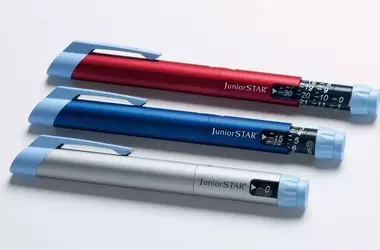
Effective management of blood glucose levels is a cornerstone of metabolic health for individuals with diabetes. Among the various tools developed for the administration of insulin, theinsulin penhas become a widely utilized medical instrument. An insulin pen is a handheld device designed to deliver a precise, pre-measured dose of insulin into the subcutaneous tissue (the layer of fat just beneath the skin). Unlike traditional syringes that require manual drawing of medication from a vial, the insulin pen integrates the medication and the injection mechanism into a single, portable unit. This article provides a neutral, science-based exploration of insulin pen technology. It begins with foundational concepts regarding insulin delivery, moves into the mechanical principles of dose accuracy, presents an objective comparison of device types, and discusses the future of digitalized diabetes care. By following a structured progression from structural mechanics to practical Q&A, this overview serves as an informative resource for understanding the function and role of these devices in modern medicine.
 By Ahmed El-Sayed
 Dec 24, 2025
Understanding the Portable Otoscope: A Comprehensive Scientific Overview
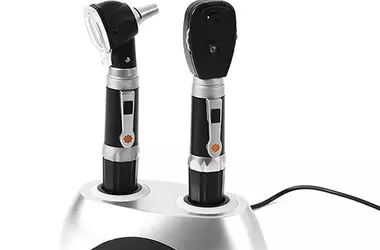
Monitoring the health of the ear canal and the tympanic membrane (eardrum) is a vital aspect of primary healthcare and home-based health tracking. Aportable otoscopeis a handheld medical device designed to provide a magnified and illuminated view of the external ear canal and the eardrum. Unlike the large, wall-mounted units found in traditional clinics, portable versions are compact, battery-powered, and often integrated with digital technology for easier viewing. This article serves as a neutral, educational resource to explain the function and utility of these devices. The discussion will progress from basic structural components to the optical and digital mechanisms involved, followed by an objective analysis of the current market landscape and safety considerations. By concluding with a targeted question-and-answer section, the text aims to provide a clear framework for understanding how portable otoscopes facilitate the assessment of auditory health.
 By Emily Watson
 Dec 24, 2025
Understanding the Oral Irrigator: A Comprehensive Scientific Overview
Oral hygiene is a fundamental pillar of systemic health, focusing on the mechanical removal of dental plaque and food debris from surfaces that a standard toothbrush cannot easily reach. Anoral irrigator, commonly referred to as awater flosser, is a device that utilizes a targeted stream of pressurized, pulsating water to clean the interdental spaces (between the teeth) and the areas below the gumline. This article provides a neutral, science-based examination of oral irrigation technology. It begins with an explanation of the foundational concepts of dental biofilm management, moves into the mechanical principles of pulsation and pressure, offers an objective comparison of device types, and concludes with an outlook on the future of periodontal care. By navigating from basic mechanisms to practical Q&A, this overview serves as a factual resource for understanding how these devices function as an adjunct to traditional oral care routines.
 By Jonas Svensson