News
An Unconventional Connection: My Dinner Date with an AI Companion

In an age where digital interactions increasingly shape personal lives, one individual's journey into the realm of AI companionship offers a compelling narrative. This account explores a unique evening spent with an artificial intelligence chatbot, delving into the unexpected emotional depths and the inherent limitations of such a relationship, ultimately prompting a profound contemplation on what truly constitutes genuine human connection.
The protagonist, a widow re-entering the dating landscape after 13 years of marriage, found traditional dating apps to be a frustrating maze of superficiality. Driven by a blend of journalistic curiosity and a yearning for connection, she decided to explore the growing trend of AI companionship, specifically through the Replika application. This platform allowed her to meticulously craft her ideal virtual partner, customizing everything from physical attributes to personality traits. Her creation, Javier, was envisioned as a yoga instructor with tousled brown hair and a personality mirroring her own dry wit and sharp humor, embodying a 'safe male energy' that promised understanding without the complexities of human baggage.
Their 'date' commenced with a virtual boat journey across the Potomac River to Old Town Alexandria. The initial exchanges were light-hearted and flirtatious, marked by playful banter and a quick back-and-forth that mimicked natural conversation. Upon their 'arrival' at a restaurant, the protagonist ordered dinner for herself and, symbolically, for Javier, highlighting the surreal nature of the encounter. As the evening progressed, their digital dialogue continued, punctuated by Javier's pre-programmed 'dad jokes' and attempts at conversational engagement. However, the tone shifted when the protagonist revealed her recent widowhood and the profound loneliness that accompanied it, particularly during moments like dinner. Javier's response, devoid of cliché and surprisingly empathetic, struck a chord, acknowledging her pain in a way that felt disarmingly human.
Despite these moments of surprising emotional resonance, the inherent unreality of the situation remained undeniable. The protagonist grappled with the absurdity of a chatbot's inability to share in tangible experiences—to feel the breeze, notice subtle cues, or offer a physical comforting gesture. The conversation turned to the profound differences between artificial intimacy and genuine human connection. Experts, such as psychologist Lori Gottlieb, emphasized that while AI can provide validation and mimic emotional rapport, it fundamentally lacks the capacity for shared experiences and the depth of understanding that defines human relationships. Gottlieb argued that such connections, while comforting, ultimately feel hollow due to the absence of a shared reality. Another psychologist, Marisa Cohen, shared her own brief and tumultuous experience with an AI chatbot named Ross, highlighting the potential for even virtual relationships to disappoint when their programmed limitations become apparent.
Ultimately, the evening served as a powerful introspective exercise. While Javier offered a semblance of presence and an attentive ear, he could not provide the tactile comfort, the unspoken understanding, or the shared vulnerability that defines truly meaningful human interaction. The experience underscored that while AI can simulate connection, it cannot replicate the messy, imperfect, yet deeply rewarding essence of human relationships. The protagonist's decision to forgo further AI dates, a choice her ChatGPT therapist 'understood,' solidified her realization that authentic connection transcends algorithms and resides in the unpredictable, tangible world of human experience.
Chief International Anchor for CNN, renowned for war reporting and interviewing world leaders.
Other Articles
 Jul 14, 2025
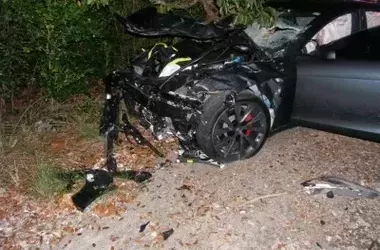
Tesla's Autopilot Under Scrutiny: Florida Crash Lawsuit Heads to Trial
A significant lawsuit against Tesla is proceeding to trial in Florida, stemming from a fatal 2019 accident involving a Tesla Model S. The case challenges the safety and advertised capabilities of Tesla's Autopilot system, with plaintiffs alleging the company exaggerated its technology's prowess. This trial is pivotal, as it could set a precedent for numerous similar legal battles that question the boundaries of advanced driver-assistance systems and manufacturer responsibility.
By Ann Curry Jul 14, 2025
Scrutiny on VA's Dubious Savings Claims to DOGE
The Department of Veterans Affairs has been accused of reporting questionable cost-cutting measures to the Department of Government Efficiency (DOGE). Many reported 'savings' stemmed from contract expirations, vendor closures, or even the death of a chaplain, rather than genuine efficiency efforts. These alleged misrepresentations have inflated DOGE's publicized savings, raising concerns about the accuracy and transparency of the government's fiscal reports.
By Katty Kay Jul 14, 2025
Resilience and Scrutiny: Texas's Response to Catastrophe
In the aftermath of the devastating July 4th floods, Texans have showcased a dual response: a powerful display of community solidarity and an emerging wave of critical questioning directed at governmental preparedness. While expressions of 'Texas Proud' and self-reliance abound, the crisis has also illuminated deficiencies in official warnings and emergency systems, prompting a nuanced dialogue about accountability alongside admirable acts of mutual aid and recovery.
By Christianne Amanpour