News
Trump's Economic Policy: A Bold Experiment Unleashed

In a pivotal period for the United States, President Trump has decisively set his economic agenda into motion, characterized by expansive tax cuts, assertive global tariffs, extensive governmental deregulation, and rigorous immigration enforcement. These interconnected policies, central to his platform, are poised to redefine the nation's economic trajectory and its standing in global commerce.
During the past week, the President enacted sweeping tax reforms, presented as catalysts for substantial economic expansion, despite reservations from financial experts regarding potential adverse effects on lower-income populations and the nation's fiscal stability. Concurrently, new tariff impositions began, with the administration asserting a definitive stance on trade negotiations, even as economists raised concerns about potential increases in consumer costs due to imported goods taxation. Furthermore, the White House is proceeding with contentious plans to dismantle numerous federal regulations and deport a significant number of migrants, actions that analysts suggest could detrimentally impact labor-intensive sectors such as agriculture.
This bold economic direction, initiated early in his current term, represents a significant departure from conventional approaches, placing the future of American finance and its long-established international trade agreements on a foundation that defies many economists' pessimistic projections. The full implications of these far-reaching policies will undoubtedly unfold, influencing various facets of society and the global economy.
This period of significant economic policy implementation highlights a nation actively shaping its future through decisive actions. It underscores the importance of strategic economic planning and its profound impact on societal well-being and global relations. As these policies evolve, they will undoubtedly inspire continuous dialogue and adaptation, reinforcing the dynamic interplay between leadership, economic theory, and the pursuit of national prosperity.
Noted journalist and author, though primarily known as a novelist, her work often comments on social and political issues.
Other Articles
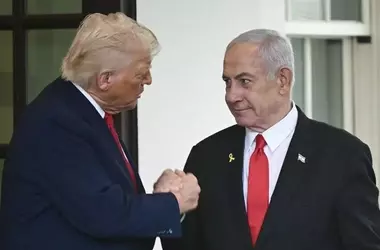 Jul 09, 2025
A Paradoxical Nomination: The Nobel Peace Prize Controversy
In a surprising turn, Israeli Prime Minister Benjamin Netanyahu has put forward former U.S. President Donald Trump for the Nobel Peace Prize. This nomination sparks considerable debate, especially given the ongoing conflict in Gaza and Trump's past foreign policy decisions. Critics highlight the ironic nature of this proposal, questioning the criteria and historical integrity of the esteemed award when considering nominees with controversial records regarding peace and human rights.
By Christianne Amanpour Jul 09, 2025
Rivers: The Enchanting Yet Perilous Heart of the Texas Hill Country
The tranquil rivers of the Texas Hill Country, long cherished for their natural beauty and recreational opportunities, have tragically transformed into a source of immense grief following a devastating flash flood. This calamity, occurring on July 4th, claimed over a hundred lives and left dozens missing, starkly highlighting the inherent dangers of this beloved yet treacherous region, known as Flash Flood Alley. The incident underscores the delicate balance between the allure of riverside living and the constant threat of nature's unpredictable power.
By Anderson Cooper Jul 09, 2025
American Dreams vs. British Reality: A Cultural Clash
Many Americans, influenced by romanticized portrayals of Britain in media, embark on a transatlantic journey seeking an idealized version of British life. However, upon arrival, they often encounter a stark contrast between their cinematic expectations and the everyday realities of the UK, from housing to dating. This discrepancy highlights a cultural gap, challenging pre-conceived notions of British charm and coziness.
By Mona Chalabi