News
Texas Redistricting Battle: A Deep Dive into the Political Stalemate

The political landscape in Texas is currently dominated by an intense dispute over the redrawing of electoral maps, a battle that has escalated into a dramatic standoff. State Democrats have taken the extraordinary measure of leaving Texas, intentionally denying the Republican-controlled legislature the necessary quorum to proceed with a vote on a proposed new congressional map. This strategic departure, aimed at preventing what they view as a gerrymandering attempt designed to disenfranchise voters, particularly those from minority communities, has effectively brought legislative proceedings to a halt. The Democrats' absence is intended to last until the special legislative session concludes, setting the stage for a prolonged impasse.
In response to this unprecedented walkout, Texas Governor Greg Abbott has publicly condemned the Democrats' actions, calling for their immediate return and even suggesting potential arrests for those who refuse. He has also explored legal avenues, including seeking intervention from the state Supreme Court to potentially remove the chair of the Democratic caucus, Gene Wu, from his position. The Republican perspective, as articulated by State Representative Tom Oliverson, chair of the Texas House Republican Caucus, asserts that the proposed map changes are within their rights and are not solely driven by external political pressures, despite claims to the contrary. Oliverson highlights that redistricting for political performance is a common practice upheld by courts and points to the changing demographics in Texas, where minority voters are increasingly aligning with the Republican party, as a factor in their mapping strategies. He dismisses the notion that the new map would disenfranchise voters, suggesting that the Democratic opposition stems from a lack of a coherent strategy rather than genuine concerns over voter rights.
Beyond the political skirmish, the ongoing legislative paralysis has significant real-world consequences for the citizens of Texas. A crucial implication of the lack of a quorum is the inability to address urgent state matters, including vital flood relief initiatives and the implementation of new warning systems following recent devastating floods. While legislative committees continue to hold hearings on these issues, the absence of a voting quorum means that no actual legislation can be passed to provide the much-needed aid and infrastructure improvements. This situation underscores how political disagreements, when pushed to extremes, can impede the government's ability to serve its populace, leaving critical needs unmet and exacerbating existing challenges.
This political confrontation highlights the essential role of every citizen's participation in democratic processes. When representatives prioritize procedural maneuvers over legislative duties, it is the public who ultimately bears the consequences. Engaging actively, holding elected officials accountable, and demanding that political factions prioritize the well-being of their constituents are crucial steps towards fostering a governance that truly serves its people. Such situations remind us of the fragility of democratic institutions and the constant need for vigilance and constructive engagement to ensure that the machinery of government works for the common good, even amidst profound disagreements.
ITV News presenter and former BBC correspondent, known for his reporting from conflict zones.
Other Articles
 Aug 06, 2025
Danish Zoo's Unique Pet Donation Program for Predator Feeding Sparks Global Debate
A zoo in Denmark has initiated a controversial program inviting the public to donate surplus pets like chickens, rabbits, guinea pigs, and horses. These animals are humanely euthanized and then used as food for the zoo's predators, a practice defended by the zoo as essential for mimicking natural dietary habits and promoting animal welfare. This approach, while common in Denmark, has ignited a fierce debate online, drawing both criticism for its perceived insensitivity and praise for its pragmatic and sustainable solution to feeding captive carnivores.
By Lester Holt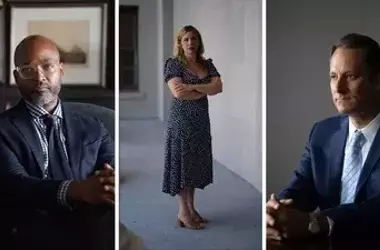 Aug 06, 2025
New Orleans Public Defender System Transformed Post-Katrina
Hurricane Katrina's devastating impact on New Orleans' public defender system, initially causing its collapse and leaving many incarcerated individuals in legal limbo, ultimately became a catalyst for profound and necessary reforms. Two decades later, the system has undergone a remarkable transformation, evolving from a broken state into a significantly improved legal aid structure, demonstrating resilience and progress in the face of adversity.
By Katty Kay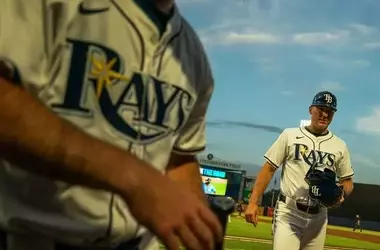 Aug 06, 2025
The Enigma of Success: Unpacking the Tampa Bay Rays' Maverick Approach
Delve into the paradoxical journey of the Tampa Bay Rays under owner Stuart Sternberg, a franchise that defied baseball conventions to achieve remarkable on-field success despite consistent struggles with fan attendance and stadium issues. This article explores their innovative 'Moneyball' strategies, unique player management, and the ongoing challenge of securing a permanent home, ultimately leading to Sternberg's reluctant decision to sell the team.
By Anderson Cooper