Art Training
Technical Analysis of Linocut: Materials, Mechanics, and Relief Printing

Linocut, a variant of woodcut, is a relief printing technique in which a sheet of linoleum—frequently backed with burlap or hessian—is used as the relief surface. A design is engraved into the linoleum surface with a sharp knife, V-shaped chisel, or gouge, with the raised (uncarved) areas representing a reversal (mirror image) of the parts to be printed. This article examines the material properties of linoleum, the mechanical process of carving and ink transfer, the objective archival considerations of the medium, and its role in the broader landscape of printmaking.
1. Basic Concept Analysis
Linocut is categorized as a relief process. In relief printing, the matrix (the block) is carved away so that the image to be printed remains at the original surface level, while the "white" or non-printing areas are recessed.
- The Matrix (Linoleum): Invented by Frederick Walton in 1860, linoleum is composed of solidified linseed oil, pine rosin, ground cork dust, wood flour, and mineral fillers such as calcium carbonate. Unlike wood, linoleum is "omni-directional," meaning it lacks a grain, allowing the carver to cut in any direction with equal resistance.
- The Subtractive Nature: The process is purely subtractive. Once material is removed from the block, it cannot easily be replaced, requiring precise planning regarding the distribution of positive and negative space.
- The "Inking" Stage: A viscous ink is applied to the raised surface using a roller (brayer), ensuring that the recessed carved areas remain free of ink.
2. Core Mechanisms and In-Depth Elucidation
The production of a linocut print relies on the physics of pressure and the chemical properties of ink adhesion.
Carving Dynamics and Tool Geometry
The visual language of a linocut is determined by the shape of the cutting tools.
- V-Gouges: These create thin, sharp lines. The depth of the cut directly influences the width of the line due to the sloping sides of the tool.
- U-Gouges: These remove larger areas of material and create rounded, softer ends to the strokes.
- Chisels: Used for clearing large "white" areas to ensure the brayer does not accidentally deposit ink in the recesses.
Ink Transfer and Pressure
The transfer of ink from the block to the paper occurs through one of two mechanical methods:
- Hand Rubbing (Baren): A flat, circular tool called a baren is used to apply firm pressure in a circular motion across the back of the paper. This allows for selective pressure and subtle "ghosting" effects.
- Press Printing: The block and paper are passed through a high-pressure relief press. The pressure must be calibrated to ensure the ink is transferred evenly without "squishing" it into the carved furrows.
The Reduction Method
A complex mechanic in linocutting is the Reduction Print, where a multi-colored image is created from a single block. The artist carves the areas to remain the color of the paper, prints the first color, carves away more of the block, prints the second color over the first, and continues until only the final, darkest color remains. This requires perfect "registration" (alignment).
3. Presenting the Full Picture and Objective Discussion
An objective assessment of linocut involves analyzing its structural limitations compared to other print media.
Material Durability and Editioning
Linoleum is softer than wood or metal (used in etching).
- Plate Wear: Over a long "run" or edition, the pressure of the press can gradually flatten the fine details of a linoleum block. While a woodblock might produce thousands of identical prints, a linoleum block may begin to show wear after several hundred impressions, depending on the hardness of the linoleum grade used.
- Oxidation: Over decades, linoleum can become brittle as the linseed oil continues to oxidize. This makes older blocks difficult to "re-strike" (print again) as they may crack under pressure.
Comparison with Woodcut
| Feature | Linocut | Woodcut |
| Grain | None (Omni-directional) | Pronounced (Directional) |
| Detail | Smooth, fluid lines | Can be jagged; grain may show |
| Resistance | Soft/Pliable | Hard/Variable |
| Longevity | Medium (Degrades over time) | High (Blocks can last centuries) |
Environmental and Safety Factors
Modern linocutting has seen a shift toward water-based inks to reduce the use of petroleum-based solvents. According to safety data provided by the Health and Safety Executive (HSE), traditional oil-based inks require solvents like turpentine or white spirit for cleanup, which release Volatile Organic Compounds (VOCs). Natural "battleship" linoleum is generally biodegradable, whereas "soft-cut" synthetic versions are often PVC-based.
4. Summary and Outlook
Linocutting has transitioned from an industrial flooring byproduct to a primary medium for graphic expression. Its lack of grain makes it an ideal introductory relief process, yet its potential for complex reduction printing provides significant technical depth for professional practitioners.
Future Trends:
- CNC Carving: The use of computer-controlled milling machines to carve linoleum blocks with mathematical precision, allowing for the reproduction of digital vectors into relief prints.
- Laser Engraving: Using $CO_2$ lasers to evaporate linoleum material, enabling a level of micro-detail that is physically impossible to achieve with hand gouges.
- Hybrid Printing: Combining linocut relief with digital "Giclée" underlays to merge traditional texture with modern color gamuts.
5. Q&A (Question and Answer Session)
Q: Why is linoleum often heated before carving?
A: Heating the linoleum (using a radiator or hairdryer) softens the linseed oil and rosin binder. This reduces the force required to push the tool through the material, leading to smoother cuts and reducing the risk of the tool slipping.
Q: What is "Registration" and why is it critical?
A: Registration is the system used to ensure that the paper lands in exactly the same spot on the block for every print. This is especially vital in multi-color prints, where even a $1 \text{ mm}$ misalignment will cause "halos" or blurry edges.
Q: Can linocut be used for fine-text printing?
A: While possible, it is challenging. Because the artist must carve around the letters and the letters must be carved in reverse, fine serif fonts are difficult to maintain. Traditionally, wood type or lead type was preferred for text.
Q: What determines the "tack" of the ink?
A: Tack refers to the stickiness of the ink. If the tack is too high, the ink may tear the surface of the paper; if it is too low, the ink will "slop" into the carved lines, ruining the detail of the print.
Would you like me to generate a technical diagram showing the proper angle of a V-gouge relative to the linoleum surface for optimal line control?
Innovator in immersive learning, developing VR-based training modules for high-risk industries and safety compliance.
Exploration ArchivesOther Articles
 Dec 23, 2025
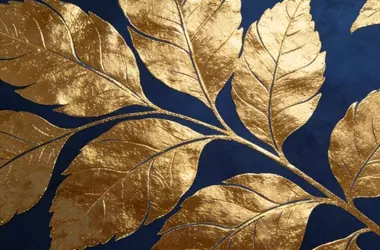
Technical Analysis of Gold Leafing: Materials, Adhesion, and Application
Gold leafing, also referred to asgilding, is a decorative technique that involves the application of extremely thin sheets of gold—typically ranging from$0.1$to$125$microns in thickness—to a solid surface. This process transforms common materials such as wood, metal, stone, or glass into surfaces that possess the chemical and optical properties of solid gold. This article explores the metallurgical properties of gold leaf, the chemical mechanisms of various adhesives (sizes), the mechanical process of application, and the objective considerations regarding its durability and preservation.
 By Anika Patel
 Dec 23, 2025
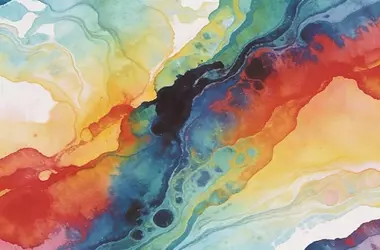
Technical Analysis of Alcohol Ink Art: Material Science and Fluid Dynamics
Alcohol ink artis a specialized painting technique that utilizes fast-drying, dye-based coloring agents suspended in an isopropyl alcohol solution. Unlike traditional water-based or oil-based media, alcohol ink is characterized by its high fluidity, transparency, and specific requirement for non-porous substrates. This article provides a technical overview of the medium, examining its chemical composition, the fluid dynamics involved in its manipulation, the environmental factors affecting its longevity, and the objective challenges associated with its practice. The following sections explore the scientific foundations and the professional frameworks that define this contemporary medium.
 By Natalia Petrova
 Dec 23, 2025
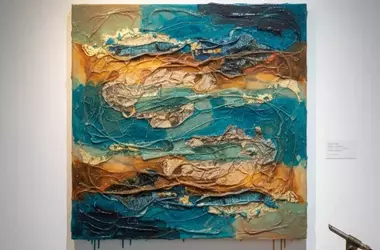
Technical Analysis of Encaustic Painting: Materials, Mechanisms, and Historical Context
Encaustic painting, also known as hot wax painting, is an artistic technique involving the use of heated beeswax to which colored pigments are added. The liquid or paste is applied to a surface—typically prepared wood, although canvas and other materials are also utilized. This article provides a technical overview of the medium, examining its chemical composition, the thermodynamic processes involved in its application, its historical preservation data, and the objective challenges associated with its practice. The discussion is organized to move from fundamental definitions to complex mechanical elucidations, concluding with an analysis of its role in contemporary conservation and art history.
 By Isabella Bella Flo