ParentsKids
Summer Nutrition Initiative Aims to Support Oklahoma's Youth

Oklahoma is taking steps to ensure that young individuals do not face hunger during the summer break. The Regional Food Bank of Oklahoma has introduced a program offering complimentary meals and snacks for children under 18 years old statewide. This initiative spans from early June until early August, aligning with the school vacation period. The Summer Feeding Program seeks to maintain proper nutrition among children who might otherwise lose access to regular meals when schools are closed.
In an effort to address the nutritional needs of children during the summer months, the Regional Food Bank of Oklahoma has launched its annual feeding program. Beginning on the first Monday of June and continuing through the first week of August, this initiative strives to provide essential sustenance to those aged 18 and below. According to Stacy Dykstra, the CEO of the Regional Food Bank, this program alleviates concerns about meal availability for children during the summer hiatus. By ensuring good nutrition, the organization aims to contribute positively to both physical well-being and future success.
This feeding initiative operates under federal guidelines set by the U.S. Department of Agriculture (USDA) and is coordinated locally by the Oklahoma State Department of Education. It ensures that all children receive meals at no cost, regardless of their background or financial situation. Such programs play a crucial role in community health, particularly during periods when school-based meal services are unavailable.
The Regional Food Bank underscores the importance of nutritious food for fostering growth and development in young people. Through partnerships with local organizations and government agencies, the program sets up distribution sites across the state. Families interested in accessing these resources can find detailed information online at the official website provided by the Regional Food Bank. This digital platform serves as a guide for locating nearby meal distribution centers.
Beyond simply providing food, the Summer Feeding Program reflects a broader commitment to supporting child welfare during non-school periods. By guaranteeing consistent access to healthy meals, it helps bridge gaps in nutrition that may arise due to seasonal changes in routine. As such, it represents an integral part of maintaining community health standards throughout the year.
Author and educator writing on education, parenting, and fostering intrinsic motivation in kids.
Other Articles
 Jun 02, 2025
Unveiling the Hidden Perils: Safeguarding Florida's Children Against Drowning
As summer approaches, concerns about drowning, a leading cause of accidental death for young children in Florida, especially those with autism, are highlighted. Children with autism are at higher risk due to wandering tendencies and an attraction to water's sensory effects. Jack Scott from FAU’s Center for Autism and Related Disabilities emphasizes that these children may not perceive water as dangerous until it's too late. To address this, FAU's CARD has issued a water safety guide tailored for families with autistic children. Key protective measures include early swim lessons, vigilant supervision, installing barriers and alarms, and creating emergency plans. Scott aims to motivate rather than frighten, urging proactive steps to ensure safety.
By Kim John Payne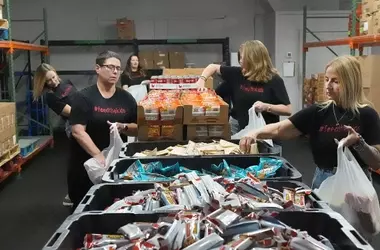 May 31, 2025
Volusia County's Summer Food Service Program Offers Free Meals to Children
Volusia County's Summer Food Service Program offers free meals to children and teens aged 18 and under from June 2 through August 8. Funded by the U.S. Department of Agriculture, this initiative alleviates hunger during school breaks by providing nutritionally balanced breakfasts and lunches at various locations across the county, including libraries, community centers, and churches. No registration or income requirements are necessary. Meals are served Monday through Friday, with all sites closed on July 4. Information on participating sites can be obtained via phone, text, or online resources. Some rural areas offer grab-and-go options, while certain locations restrict services to enrolled participants only.
By Kim John Payne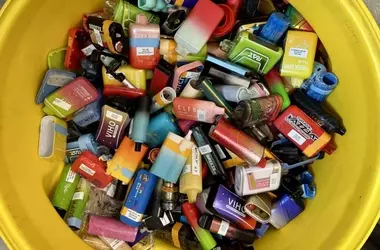 Jun 02, 2025
Uncovering the Hidden Dangers of Unauthorized Vaping Devices Among Students
Researchers at Roswell Park Comprehensive Cancer Center in Buffalo, collaborating with upstate schools, are studying over 2,000 confiscated vaping devices to understand their contents and appeal, especially among students. These unauthorized devices, not approved by the FDA, often originate overseas and contain high nicotine concentrations, equivalent to eight packs of cigarettes in some cases. World No Tobacco Day highlights the dangers of vaping, where flavorings like cinnamon also pose risks. Educators face challenges as they combat this growing issue, emphasizing the developmental harm caused by nicotine addiction. Schools, such as Health Sciences Charter School, involve social workers and educate students post-confiscation, urging parental awareness and peer discouragement. The environmental impact of vape cartridges is also under investigation.
By Cathy Glass