News
Summer Hunger Crisis: How Families Can Access Free Meals When School’s Out

Discover Reliable Summer Meal Programs Across Wake County and Beyond
Bridging the Nutrition Gap During Summer Break
Every year, as students trade classrooms for sun-drenched days, a pressing issue surfaces—how to maintain consistent access to healthy meals. For families who depend on federally subsidized school lunches, the end of the academic calendar often means a sudden disruption in food security. This seasonal challenge is particularly acute in lower-income communities where school meals represent a significant portion of daily nutrition. The U.S. Department of Agriculture recognized this problem decades ago and launched the Summer Food Service Program (SFSP) to ensure that children continue receiving balanced meals when school is out.In North Carolina, the initiative has taken root with notable success, especially in urban counties like Wake. Supported by both state and federal funding, the program operates through a variety of local partners including nonprofit organizations, faith-based groups, and public institutions. These providers work together to create accessible, welcoming environments where children can enjoy fresh, nourishing food without barriers such as cost or registration requirements. The impact is tangible: thousands of kids in Wake County alone benefit from these services each summer, reducing hunger-related stress for parents and promoting better overall well-being.How to Locate Summer Meal Sites Efficiently
For parents seeking assistance, locating summer meal sites has become increasingly streamlined thanks to digital tools and mobile accessibility. The North Carolina Department of Public Instruction maintains an up-to-date online map that allows users to search for participating locations by zip code or city. Updated weekly from June through August, this resource ensures real-time accuracy and helps families plan ahead. Additionally, a text-message service enables quick access to site information—by simply sending the word FOOD or COMIDA to 304-304, users receive immediate details about the nearest meal distribution points.These tools are especially valuable for working parents or those without easy transportation options. By integrating location-based technology with traditional outreach methods, the state maximizes awareness and participation. Community boards, school newsletters, and local media also play a role in spreading the word, ensuring that no family is left unaware of available resources. Moreover, the absence of eligibility requirements—such as income verification or student enrollment—removes common hurdles and encourages broader engagement.Diverse Distribution Points Across Wake County
Wake County offers one of the most comprehensive summer feeding networks in the state, with hundreds of designated sites scattered across neighborhoods and municipalities. These locations vary widely in type, ranging from neighborhood parks and recreation centers to churches and public health facilities. Each site follows a structured schedule tailored to local needs, often operating multiple days per week and serving meals at consistent times to foster reliability.Take, for instance, Grace Within Transitions Foundation in Raleigh, which provides both breakfast and lunch five days a week throughout the summer. Meanwhile, Green Road Park serves lunch Monday through Friday, becoming a central gathering point for families in southeast Raleigh. In suburban areas like Knightdale and Fuquay-Varina, churches and farmers' markets step in to fill gaps, ensuring rural and semi-urban populations have equal access. Even smaller communities like Wendell and Willow Spring host regular meal sessions, reflecting the program’s commitment to inclusivity and geographic diversity.Operational Models and Community Partnerships
Behind the scenes, the success of Wake County’s summer feeding program hinges on strong collaboration between government agencies, nonprofits, and grassroots organizations. Many meal sites are managed by volunteers and staff who go beyond simply handing out food—they create engaging environments where children feel safe, welcomed, and encouraged to return. Some locations integrate educational components, recreational activities, or wellness workshops to enrich the experience and encourage repeat attendance.The USDA funds these efforts through federal grants distributed via the state’s public instruction department. Participating sites must meet strict nutritional standards and undergo periodic inspections to ensure compliance with health and safety regulations. While the core objective remains feeding children, many programs aim to build stronger community ties and foster social development. For example, some meal sites partner with local libraries or youth centers to offer reading programs or STEM activities alongside meals, transforming feeding stations into holistic learning hubs.Expanding Awareness and Overcoming Barriers
Despite the widespread availability of summer meal programs, awareness remains a persistent challenge. Misconceptions about eligibility, limited access to technology, and inconsistent communication channels can prevent families from utilizing these services. To combat this, local governments and advocacy groups have ramped up outreach campaigns, leveraging social media, radio announcements, and multilingual materials to reach diverse audiences.Transportation also plays a key role in accessibility. In some areas, mobile meal trucks travel between high-need zones, bringing food directly to underserved neighborhoods. Others coordinate with public transit systems to provide discounted or free rides to and from meal sites. Schools themselves often act as information conduits, distributing flyers and hosting informational sessions before the academic year ends to prepare families for the transition.By addressing logistical and informational obstacles head-on, Wake County continues to improve its outreach effectiveness. The result is a growing network of engaged stakeholders committed to making summer meal programs not just a temporary solution, but a sustainable part of the community infrastructure. As awareness increases and participation expands, more children benefit from reliable, nutritious meals—turning summer break into a season of opportunity rather than scarcity.Chief International Anchor for CNN, renowned for war reporting and interviewing world leaders.
Other Articles
 Jun 24, 2025
Legacy Meets Legacy: How Two Baltimore Food Distributors Are Merging Tradition With Growth
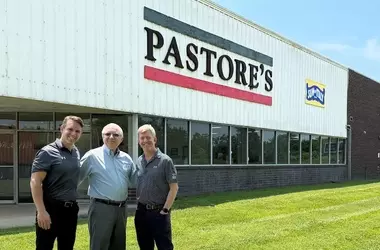
Saval Foods, LLC has acquired Pastore’s Italian Wholesale Distributor, combining their extensive experience in food distribution. Founded in 1932, Saval serves restaurants across the mid-Atlantic and aims to expand its Italian product offerings through this acquisition. Pastore’s, with roots dating back to the 19th century, brings its well-known “Sun of Italy” brand and expertise in Italian cuisine. Mike Pastore Jr. will join Saval as business development director for Sun of Italy, while the brand itself will remain intact. The partnership strengthens Saval’s presence in the region and supports the growth of Italian culinary traditions in both homes and restaurants.
By Carl Bernstein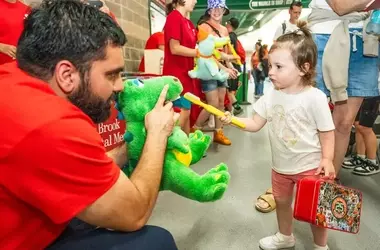 Jun 24, 2025
Stony Brook Children’s Hosts Health and Safety Night at Long Island Ducks Ballpark
Stony Brook Children’s Hospital hosted its Annual Kids Health and Safety Expo on June 18 at the Long Island Ducks Ballpark. The event featured interactive exhibits on child life, infectious diseases, dentistry, water safety, and sun safety. The first 1,000 children received a commemorative lunch box, and attendees supported Island Harvest Food Bank by donating non-perishables to "Stuff a Seawolf Bus." Over 500 tickets were distributed for the game, where Dr. James Barsi threw the first pitch and the Ducks secured a home-team victory.
By Carl Bernstein Jun 24, 2025
A Triad of Visionaries: Magenta Light Forges Groundbreaking Alliance with Evoke Entertainment and Freefall Films
Magenta Light, founded by Oscar winner Bob Yari, has formed a multi-year partnership with Evoke Entertainment and Freefall Films for co-producing, co-financing, and distributing indie films globally. The collaboration aims to produce four films annually, starting with three slated for 2025: *Homesick*, a psychological thriller; *Trip*, a surreal journey through grief; and *The Wildmen*, a supernatural Western. The partners emphasize shared values and bold storytelling.
By Katty Kay