Art Training
street Dance Training: A Neutral Overview of Structure, Techniques, and Cultural Context

I. Clear Objective
The objective of this article is to explain what street dance training entails, how it is structured, what skills and knowledge are developed, and how learners engage with training programs. The discussion addresses the following questions:
- What constitutes street dance and street dance training?
- What foundational techniques and skills are essential for learning street dance?
- How do structured training programs facilitate skill development?
- What are the broader cultural and educational contexts of street dance?
- What limitations and considerations exist in street dance training?
The article follows a structured sequence: defining the concept, analyzing foundational elements, explaining core mechanisms, presenting a comprehensive discussion, summarizing insights, and concluding with a question-and-answer section.
II. Foundational Concepts
1. Definition of Street Dance
Street dance refers to dance styles that developed outside formal dance institutions, often in urban environments, and are closely associated with music genres such as hip-hop, funk, and electronic music. Styles include:
- Breaking (B-boying/B-girling): Characterized by floor work, power moves, and freezes.
- Locking: Focused on rhythmic pauses and exaggerated gestures.
- Popping: Involves rapid contraction and release of muscles to create jerky movements.
- Hip-hop freestyle: Combines various moves emphasizing rhythm, personal expression, and improvisation.
Street dance training programs teach technique, timing, coordination, and choreography, while also emphasizing creativity and individual style.
2. Purpose of Street Dance Training
Training programs aim to develop:
- Physical coordination and strength
- Musicality and rhythmic understanding
- Body awareness and spatial control
- Performance and improvisational skills
- Safety and injury prevention
Programs may be delivered in dance studios, community centers, schools, or online platforms.
III. Core Mechanisms and In-Depth Explanation
1. Physical and Cognitive Mechanisms
Street dance training engages both physical and cognitive processes:
- Motor learning: Repetition of moves strengthens muscle memory, enabling precise executions.
- Rhythmic perception: Dancers learn to synchronize movement with musical beats.
- Spatial awareness: Coordination with surrounding dancers or stage space enhances performance safety and aesthetics.
- Creative cognition: Improvisation and freestyle exercises encourage individual expression and problem-solving.
Research in dance education indicates that progressive repetition, feedback, and creative exploration are key to skill acquisition.
2. Training Structure
Training programs often follow a structured sequence:
a. Warm-Up and Conditioning
Light cardiovascular activity, stretching, and joint mobility exercises reduce injury risk and prepare the body for intensive movement.
b. Technical Drills
Focus on foundational moves of the chosen style, such as footwork, isolations, floor patterns, and body control.
c. Combinations and Choreography
Sequences of moves are linked into short routines or combinations to develop memory, flow, and stylistic cohesion.
d. Improvisation and Freestyle Practice
Learners practice applying techniques creatively in real time, fostering adaptability and personal expression.
e. Cool-Down and Reflection
Stretching, breathing exercises, and self-assessment consolidate learning and reduce fatigue.
3. Music and Timing
Music selection is central to street dance training. Rhythm, tempo, and beat structure inform the pacing of moves. Programs may include exercises emphasizing counting, beat subdivision, and musical phrasing.
IV. Comprehensive Perspective and Objective Discussion
1. Educational Pathways
Street dance training may be offered through:
- Dance schools and academies with urban dance programs
- Community workshops and youth programs
- Higher education programs including performing arts curricula
- Online courses and instructional video platforms
Curriculum depth varies from introductory courses for beginners to intensive programs for competitive dancers.
2. Cultural Context
Street dance is embedded in urban cultural movements and is influenced by hip-hop culture, funk, and social dance practices. Training programs often include historical and cultural context, emphasizing respect for origins, musical interpretation, and community engagement.
3. Skill Development Considerations
- Progressive practice is necessary to prevent overuse injuries.
- Safe floor techniques and body mechanics reduce joint and muscle strain.
- Social interaction and peer feedback enhance learning, particularly in freestyle and improvisation exercises.
Physical conditioning, flexibility, and balance are integral to performance longevity.
4. Limitations and Considerations
- Training outcomes vary based on frequency, duration, and instructor expertise.
- Learning pace may differ among individuals due to physical ability, rhythm perception, and prior dance experience.
- Access to quality instruction may be influenced by geographic location or availability of specialized programs.
V. Summary and Outlook
Street dance training encompasses structured approaches to learning urban dance styles, integrating physical conditioning, technique mastery, musicality, and creative expression. Programs provide foundational and advanced skills through repetition, choreography, improvisation, and performance exercises.
Cultural context is an essential component, situating dance within broader social and artistic movements. Training programs range from community workshops to formal performing arts education. Safety, progression, and structured practice are central to effective skill acquisition.
The future of street dance training includes increased access through online platforms, cross-cultural exchange, and integration of interdisciplinary movement practices. Learners benefit from consistent practice, exposure to music and culture, and engagement with peer and instructor feedback.
VI. Question and Answer Section
Q1: Is street dance only performed individually?
No. Street dance includes both solo and group performance formats, often involving synchronized or interactive routines.
Q2: Does prior dance experience affect learning speed?
Prior experience in other dance styles can influence coordination and rhythm perception, though beginners can acquire skills progressively.
Q3: Are online street dance courses effective?
Online programs provide accessible instruction and demonstration, though in-person guidance may support correction of technique and spatial awareness.
Q4: Is musical knowledge required?
Understanding rhythm and tempo enhances performance, but training programs often teach musical timing alongside dance techniques.
Q5: Can street dance training help prevent injuries?
Structured warm-up, conditioning, and proper technique instruction reduce the risk of injury, though consistent practice and attention to body mechanics are essential.
https://www.bls.gov/ooh/entertainment-and-sports/dancers-and-choreographers.htm
https://www.ncbi.nlm.nih.gov/pmc/articles/PMC6749565/
https://www.nytimes.com/2016/11/14/arts/dance/the-evolution-of-hip-hop-dance.html
https://www.unesco.org/en/digital-education
https://www.sciencedirect.com/science/article/pii/S1877042815004885
https://www.danceusa.org/urban-dance-education-research

Swedish and Norwegian teacher emphasizing the connection between language, nature, and Scandinavian lifestyle.
Exploration ArchivesOther Articles
 Feb 12, 2026
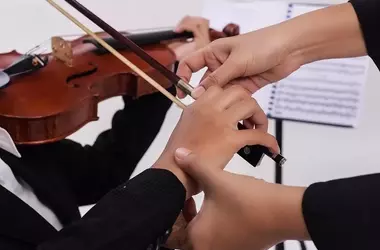
Violin Training: Concepts, Techniques, Pedagogy, and Perspectives
Violin training refers to structured educational programs and instructional practices designed to develop technical proficiency, musical interpretation, and performance skills on the violin. It encompasses fundamental techniques, music theory, reading of musical notation, ensemble coordination, and practice methodologies. This article provides a neutral and comprehensive overview of violin training. It defines the concept, explains foundational principles of violin pedagogy, examines core mechanisms of skill acquisition, discusses applications across individual and group learning settings, and highlights challenges and considerations in instruction. The article concludes with a summary, outlook, and a question-and-answer section. All content is presented for informational and educational purposes only.
 By Talia Salt
 Feb 10, 2026
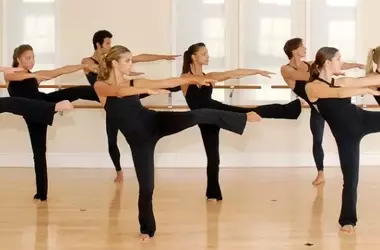
Modern Dance Training: A Neutral Overview of Concepts, Structures, and Educational Context
Modern dance training refers to structured programs designed to explain, practice, and develop the techniques, movements, and expressive principles associated with modern dance as a performance art. This article provides a neutral and informational overview of modern dance training. It defines the core concept, outlines its scope, and addresses key questions. The discussion covers foundational concepts in modern dance, core training mechanisms, contextual factors in dance education, and relevant historical and cultural perspectives. The article concludes with a summary, an outlook on the field, and a question-and-answer section. All content is presented purely for educational purposes without promotional or evaluative intent.
 By Erik Johansson
 Feb 05, 2026
Drama Performance Training: A Scientific Overview of Principles, Techniques
Drama performance training refers to structured educational programs designed to develop skills, techniques, and understanding necessary for performing theatrical works. This article provides a neutral, informational overview of drama performance training, detailing its objectives, foundational concepts, learning mechanisms, and broader educational context. The discussion follows a systematic framework: defining objectives, explaining basic concepts, analyzing core mechanisms in depth, presenting a comprehensive and objective discussion, summarizing key points and future outlook, and concluding with a factual question-and-answer section. The content is strictly educational, focusing on knowledge transmission without recommendation, inducement, or evaluative statements.
 By Natalia Petrova