Medical Education
Radiologic Technologist Program: Professional Education for Medical Imaging Practice

A Radiologic Technologist Program is designed to provide structured education and professional training for individuals seeking to work in medical imaging environments. These programs focus on developing technical competence, theoretical understanding, and professional responsibility required to support diagnostic imaging services within healthcare systems. As medical imaging continues to play a critical role in modern healthcare, formal education for radiologic technologists remains an essential component of workforce preparation.
Radiologic Technologist Programs emphasize accuracy, safety, and ethical practice, ensuring that learners acquire foundational knowledge while developing practical skills relevant to clinical settings.
Overview of Radiologic Technologist Programs
Radiologic technologists are healthcare professionals who operate imaging equipment to produce diagnostic images used by physicians for clinical evaluation. Radiologic Technologist Programs are designed to prepare learners for these responsibilities through a combination of classroom instruction, laboratory training, and supervised clinical experience.
These programs are typically structured to align with professional standards and industry expectations. Instruction is organized to support progressive learning, allowing students to build competence in imaging procedures, patient interaction, and equipment operation.
Educational Objectives and Learning Outcomes
The primary objectives of a Radiologic Technologist Program include:
- Developing knowledge of imaging principles and techniques
- Understanding patient positioning and image quality standards
- Learning radiation safety and protection practices
- Building professional communication and documentation skills
- Applying ethical and legal guidelines in healthcare environments
Upon completion, learners are expected to demonstrate foundational competence in both theoretical knowledge and applied imaging procedures.
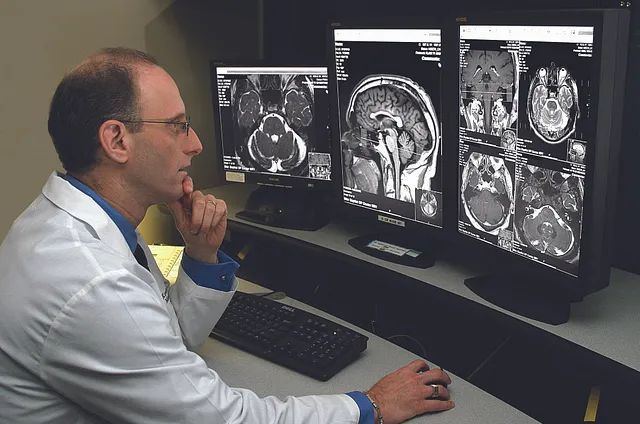
Curriculum Structure and Key Areas of Study
While specific curricula may vary by institution, most Radiologic Technologist Programs share a common instructional framework that addresses essential subject areas.
Foundations of Medical Imaging
Students begin by studying the fundamentals of radiologic science, including basic physics concepts, imaging terminology, and equipment components. This foundation supports accurate image production and equipment operation.
Anatomy and Physiology
Anatomy and physiology coursework is central to radiologic education. Learners study body systems to understand how imaging procedures correspond to anatomical structures and clinical objectives.
Radiographic Procedures
Instruction in radiographic procedures focuses on positioning techniques, exposure parameters, and procedural protocols. Learners practice producing diagnostic-quality images while following established guidelines.
Radiation Safety and Protection
Programs emphasize radiation protection principles for patients, healthcare professionals, and the public. Topics include dose minimization, safety regulations, and responsible equipment use.
Patient Care and Communication
Effective patient interaction is an important component of professional practice. Courses address patient positioning, communication techniques, and maintaining professionalism in clinical environments.
Clinical Training and Applied Learning
Clinical education is a core element of Radiologic Technologist Programs. Under supervision, learners apply classroom knowledge in real-world healthcare settings. Clinical experiences help students develop technical confidence, professional behavior, and procedural accuracy.
Clinical training often includes:
- Imaging procedure practice
- Equipment operation under supervision
- Patient preparation and positioning
- Collaboration with healthcare teams
These experiences reinforce theoretical concepts through direct application.
Learning Formats and Program Delivery Options
Radiologic Technologist Programs are offered in various formats to accommodate different learning needs. Common delivery options include:
- On-campus programs with laboratory access
- Hybrid programs combining online coursework with in-person clinical training
While some theoretical components may be delivered online, clinical training typically requires in-person participation to meet educational standards.
Professional Skills Developed Through Training
Through structured education, learners in Radiologic Technologist Programs develop a range of professional skills, including:
- Technical imaging competence
- Attention to detail and quality control
- Ethical decision-making
- Professional communication
- Adherence to safety standards
These skills are transferable across various imaging environments within healthcare systems.
Career-Focused Applications
Graduates of Radiologic Technologist Programs may pursue roles in hospitals, diagnostic imaging centers, outpatient clinics, and other healthcare facilities. Responsibilities generally involve performing imaging procedures, maintaining equipment standards, and supporting diagnostic workflows.
Career outcomes depend on factors such as program scope, regulatory requirements, and individual qualifications. Formal education provides the foundation required for professional entry and continued development.
The Role of Ongoing Education
Medical imaging technology continues to evolve, making ongoing education an important aspect of professional practice. Radiologic technologists often engage in continued learning to remain informed about technological advancements, procedural updates, and professional standards.
Radiologic Technologist Programs establish the academic and professional foundation needed to support lifelong learning within the field.
Q&A
Q1: What is the primary purpose of a Radiologic Technologist Program?
A: The primary purpose is to provide structured education and practical training for individuals preparing to work in medical imaging environments.
Q2: Do these programs include clinical experience?
A: Yes. Most Radiologic Technologist Programs include supervised clinical training as a core component of education.
Q3: Are online Radiologic Technologist Programs available?
A: Some theoretical coursework may be offered online, but clinical training typically requires in-person participation.
Q4: What skills do learners develop through these programs?
A: Learners develop technical imaging skills, patient care abilities, safety awareness, and professional communication skills.
Q5: Can these programs support long-term career development?
A: Yes. They provide foundational education that supports entry into the field and ongoing professional growth.
Neuroscientist and anatomy professor who creates immersive 3D learning tools for medical students.
Exploration ArchivesOther Articles
 Dec 25, 2025
Community Mental Health Specialist Programs: Professional Training for Community-Based Care
Community Mental Health Specialist Programs are designed to provide professional training for individuals who wish to support mental health services at the community level. These programs focus on building practical skills, ethical awareness, and foundational knowledge needed to assist diverse populations in community-based mental health settings. As mental health services increasingly shift toward prevention, accessibility, and local support systems, structured education for community mental health specialists has become increasingly important.
 By Malik DJ Pulse Jon
 Dec 25, 2025
Health Informatics Programs: Professional Training for Healthcare Information Management
Health Informatics Programs provide professional training for individuals seeking to work at the intersection of healthcare, data, and information technology. These programs focus on the effective use of health information systems to support clinical services, healthcare administration, data-driven decision-making, and organizational efficiency. As healthcare environments continue to adopt digital tools and electronic records, structured education in health informatics plays an increasingly important role in workforce development.
 By Erik Johansson
 Dec 25, 2025
Clinical Mental Health Counseling Programs: Professional Training for Ethical Practice
Clinical Mental Health Counseling Programs are advanced education pathways designed to prepare students for professional roles in mental and behavioral healthcare settings. As mental health awareness continues to grow worldwide, the need for well-trained clinical counselors has become increasingly critical across healthcare systems, educational institutions, community organizations, and private practices.
 By Dr. Isaiah Brown Bea