Language Education
Portuguese Language Courses: Learning Scope, Instructional Structure, and Linguistic Context

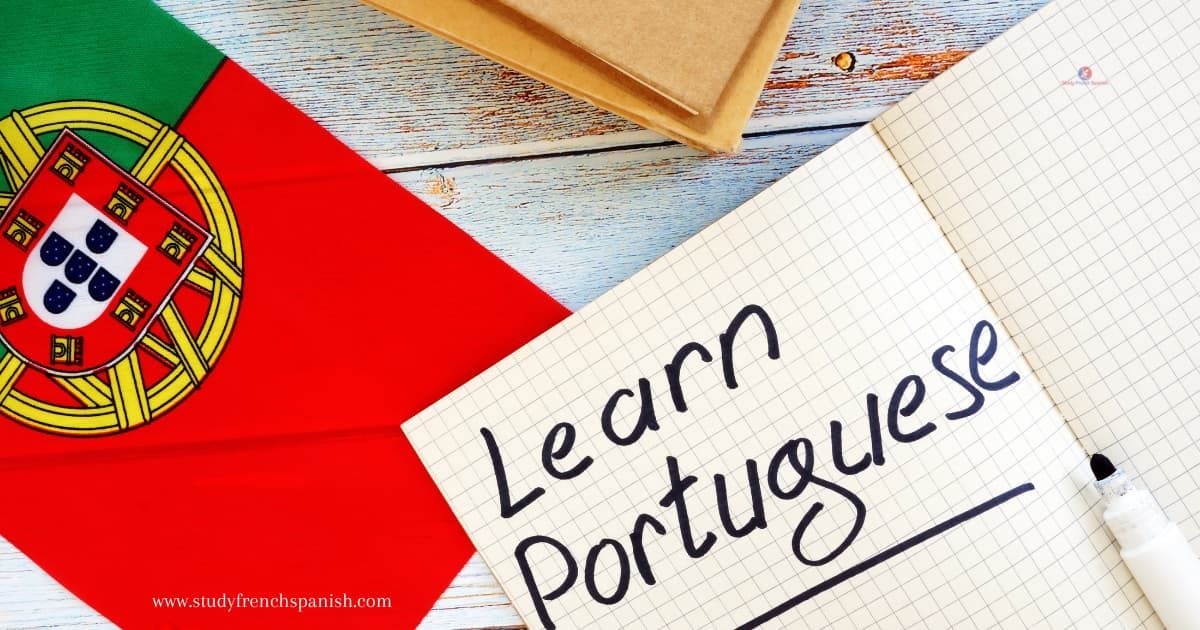
Portuguese language courses refer to structured educational programs designed to support the systematic study of the Portuguese language. These courses focus on developing linguistic knowledge and practical language skills through organized instruction, without implying specific personal, academic, or professional outcomes.
This article presents an objective overview of Portuguese language courses by examining their educational scope, common instructional formats, core language components, and the broader linguistic and cultural context in which they are offered.
Learning Objectives and Educational Scope
Portuguese language courses are designed to address different levels of language proficiency, from introductory exposure to advanced language use. Educational objectives vary depending on course design, instructional depth, and learner background.
General learning objectives may include:
- Understanding grammatical structures and sentence formation
- Expanding vocabulary for everyday, academic, or formal communication
- Developing pronunciation and listening comprehension
- Practicing reading and writing skills in Portuguese
- Gaining awareness of linguistic usage across different contexts
The scope of instruction is determined by curriculum design rather than a single standardized model.
Common Instructional Formats
Portuguese language courses may be delivered through a variety of instructional approaches, including:
- Classroom‑Based InstructionIn‑person lessons conducted within educational institutions or language centers.
- Online and Distance LearningCourses delivered through digital platforms using video, audio, and interactive materials.
- Group or Individual InstructionStructured lessons offered in group settings or through one‑to‑one instruction.
- Academic and Continuing Education ProgramsPortuguese language study integrated into school, university, or lifelong learning systems.
Instructional methods may combine lectures, exercises, dialogue practice, and reading activities.
Core Language Components
Curricula for Portuguese language courses commonly address several foundational linguistic areas:
- Grammar and SyntaxStudy of verb conjugation, tense, agreement, and sentence structure.
- Phonetics and PronunciationInstruction on sounds, stress patterns, and regional pronunciation features.
- Vocabulary DevelopmentIntroduction to words and expressions used in daily, academic, or formal contexts.
- Reading and Writing SystemsPractice in interpreting written texts and producing written communication.
- Listening and Speaking SkillsActivities focused on comprehension and oral expression.
The emphasis on each component varies by course level and instructional goals.
Linguistic and Cultural Context
Portuguese is a Romance language spoken across multiple regions, including Europe, South America, Africa, and parts of Asia. Language courses may include cultural references to support understanding of language usage, though the depth of cultural instruction differs by program.
Organizations that provide general linguistic and educational context include:
- UNESCO – Languages and Cultural Diversityhttps://www.unesco.org
- Ethnologue: Languages of the Worldhttps://www.ethnologue.com
- Council of Europe – Common European Framework of Reference for Languages (CEFR)https://www.coe.int
These organizations provide research‑based linguistic frameworks but do not operate individual language courses.
Summary and Outlook
Portuguese language courses represent structured educational approaches to learning a widely spoken global language through systematic instruction in grammar, vocabulary, pronunciation, and comprehension. Course design reflects instructional objectives, delivery format, and learner level rather than uniform international standards.
As language education continues to evolve alongside digital learning tools and global communication practices, instructional approaches to Portuguese language learning may continue to adapt to changes in pedagogy and educational technology.
Common Questions
What are Portuguese language courses?
They are structured educational programs focused on learning the Portuguese language.
Are Portuguese language courses standardized worldwide?
No. Curriculum structure and instructional depth vary by institution and region.
Do these courses include both spoken and written language?
Many courses address listening, speaking, reading, and writing skills.
Are Portuguese language courses available online?
Instruction may be offered in online, in‑person, or hybrid formats.
Is cultural context included in Portuguese language courses?
Some programs incorporate cultural references to support language understanding, depending on curriculum design.

Data analytics consultant and trainer, expert in Python, SQL, and visualizing insights for business.
Exploration ArchivesOther Articles
 Dec 23, 2025
Korean Courses Near Me: Learning Formats, Curriculum Scope, and Educational Context
Korean courses near meis a commonly used phrase that refers to Korean language learning opportunities available within a learner’s local geographic area. The phrase emphasizes location and accessibility rather than a specific institution, instructional quality, or learning outcome.
 By Rajesh Raj Hassan
 Dec 23, 2025
Japanese Courses Near Me: Learning Formats, Curriculum Scope, and Educational Context
Japanese courses near meis a commonly used phrase that refers to Japanese language learning opportunities available within a learner’s geographic area. The term emphasizes proximity and accessibility rather than a specific institution, learning outcome, or instructional quality.
 By Erik Johansson
 Dec 22, 2025
Italian Courses Near Me: Learning Structure, Core Content, and Educational Context
Italian courses near meis a commonly used search phrase referring to locally accessible opportunities for learning the Italian language. The phrase highlights geographic proximity or local availability rather than any specific institution, curriculum, or instructional quality.
 By Dr. James Wilson