ParentsKids
Parents Call for More Realistic Children's Programming

A recent study highlights a growing sentiment among parents regarding the content their children consume. While a vast majority of parents actively watch children's programming alongside their offspring, many express dissatisfaction with the idealized portrayals of family life presented in these shows. This desire for more authentic representation stems from a recognition that current media often fails to reflect the nuanced realities of modern parenting, leading to a disconnect between on-screen narratives and daily experiences.
Parents are actively seeking content that mirrors the genuine challenges and diverse dynamics of family life. They long for narratives that acknowledge the imperfections of caregivers, the unpredictable nature of children's emotions, and the everyday chaos that is often part and parcel of raising a family. Beyond simply depicting these struggles, there's a strong call for shows that offer practical lessons, such as conflict resolution skills, and feature characters who behave in ways that resonate with real children. Furthermore, a significant number of parents advocate for broader diversity in family structures, including blended families, single-parent households, and multi-generational living arrangements, ensuring that all children can see their own families reflected in the media they consume.
The call for more realistic and diverse representation in children's programming is more than just a matter of preference; it's about fostering deeper connections and a stronger sense of self. When children see their own lives and families accurately depicted, it validates their experiences and helps them develop a positive self-identity. This authenticity also benefits content creators, as parents indicate a greater likelihood to re-watch and recommend shows that genuinely connect with their lived realities. By embracing the full spectrum of family life, children's media can move beyond mere entertainment to become a powerful tool for validation, education, and positive social development, helping young viewers navigate their world with a greater sense of belonging and understanding.
Child psychologist and author known for his practical, no-nonsense parenting advice and TV shows.
Other Articles
 Jul 11, 2025
The Ultimate Exfoliation: Unveiling the Power of the Wildpier Beauty Glove
Discover the revolutionary Wildpier Beauty Exfoliating Glove, a product praised for its remarkable ability to remove dead skin layers effectively. This review highlights its unique method of use, emphasizing the importance of following specific instructions for optimal results. It also touches upon personal experiences, showcasing how this glove tackles common skin concerns like keratosis pilaris, leaving skin exceptionally soft and bright.
By Adele Faber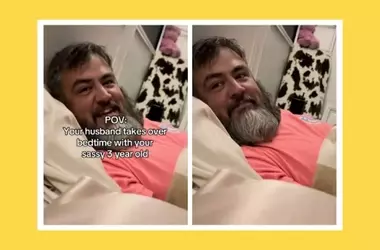 Jul 11, 2025
Toddler's Hilarious Bedtime Rebellion Goes Viral on TikTok
A recent TikTok video shared by @mrssimonds has captured the internet's attention, showcasing a toddler's amusing refusal to engage in traditional bedtime pleasantries. The father's bewildered reaction to his three-year-old daughter's blunt rejection of 'I love you' and 'goodnight' has resonated with parents globally, highlighting the often-challenging yet humorous dynamics of toddler independence and boundary-setting during bedtime routines. This viral moment has sparked widespread laughter and empathy among online communities.
By Dr. Benjamin Spock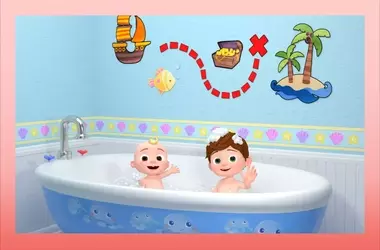 Jul 11, 2025
Enhancing Children's Learning and Routine with CoComelon Videos
This article highlights how CoComelon's YouTube channel offers engaging and educational content for young children, serving as a valuable resource for parents. It features specific video compilations that aid in teaching daily routines like bath time and back-to-school preparations, while also sparking imagination through songs about various vehicles and imaginative play scenarios. These videos provide a beneficial balance of entertainment and learning for toddlers, making parenting a little easier.
By Dr. Benjamin Spock