ParentsKids
One Man's Mission: Shielding Young Minds Through Helmets

Empowering Tomorrow’s Riders Today
Inspired by personal tragedy, one man has made it his life's work to safeguard the future of cycling enthusiasts. With every helmet handed out, Mike Heikes not only protects but empowers the next generation.
From Tragedy to Triumph
Mike Heikes’ journey began with a devastating car accident that left him critically injured at just 18 years old. Celebrating a scholarship win turned into a nightmare as excessive drinking and reckless driving resulted in a crash. Thrown through a closed window during the incident, Mike suffered severe head trauma, requiring extensive medical intervention.
The aftermath was life-altering. Post-it notes became essential tools for daily reminders, compensating for memory loss caused by the injury. Yet, amidst these challenges, Mike found purpose. His experience fueled a desire to prevent others from enduring similar hardships, setting the stage for his lifelong commitment to safety advocacy.
A New Lease on Life
Unable to drive due to his injuries, Mike discovered solace and mobility through cycling. However, observing countless children riding without protective gear deeply troubled him. Determined to make a difference, he embarked on a mission to distribute helmets free of charge.
Starting in 1999, Mike's initiative quickly gained momentum. Over two decades later, he has successfully provided over 22,000 helmets to young cyclists. Each helmet represents hope, resilience, and an unwavering dedication to fostering safer communities.
Scaling Up Safety Efforts
As demand grew, so did the logistics required to sustain Mike’s mission. Ordering thousands of helmets necessitated substantial financial resources. To cover costs, Mike strategically placed donation jars in local businesses throughout Fergus Falls. Additionally, he pursued grants from various service organizations, leveraging community support to expand his reach.
Despite occasional funding shortfalls, Mike remains undeterred. Utilizing home equity loans when necessary, he prioritizes safety above all else. For Mike, securing funds is not merely about fulfilling obligations—it’s about saving lives and preventing irreversible damage.
Building Community Connections
Much of Mike’s success stems from his ability to engage and inspire those around him. Hosting events like bike rodeos fosters camaraderie while promoting safety awareness. At these gatherings, children eagerly participate in activities designed to enhance their riding skills while receiving vital protective equipment.
Through collaboration with local authorities and educational institutions, Mike ensures his message resonates widely. Whether fitting helmets at schools or interacting with families at community events, his presence serves as both a reminder and reassurance of the importance of safety measures.
Looking Ahead: A Legacy of Protection
As Mike reflects on his achievements, he envisions even greater impact. By continuing to educate and equip young riders, he aims to reduce instances of preventable brain injuries significantly. His efforts underscore the power of individual action in creating lasting societal change.
For Mike, each helmet distributed symbolizes more than mere protection—it embodies hope, perseverance, and a promise to future generations. Through his relentless dedication, he exemplifies how personal adversity can transform into widespread benefit, leaving an indelible mark on countless lives.
Author and educator writing on education, parenting, and fostering intrinsic motivation in kids.
Other Articles
 May 12, 2025
Google's Gemini AI: Balancing Benefits and Risks for Young Users
AI systems, like Google's Gemini, significantly influence children's lives, even without direct engagement. While AI offers potential benefits such as aiding in illness diagnosis, accelerating research, and supporting education, it also poses risks like abuse, exploitation, misinformation, and mental health challenges. Google’s recent decision to allow children under 13 supervised access to Gemini through Family Link highlights these dual realities. Although parents can control certain aspects, issues like unequal access, data bias, consent complexities, and environmental impacts persist. Despite guardrails like content filters and screen time limits, the responsibility largely falls on parents, raising concerns about the practicality and ethics of this approach. The integration of AI into childhood necessitates shared responsibility among tech companies, governments, and educators to ensure safe, constructive use while protecting children’s rights.
By Cathy Glass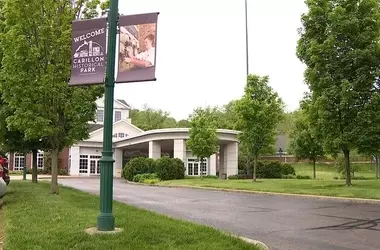 May 12, 2025
Summer Learning Adventures Await in Dayton
As schools in the Miami Valley prepare to close for summer, various organizations are offering programs to bridge the summer learning gap and keep children engaged. Carillon Historical Park hosts a camp for kids aged 8-12, focusing on early settlement skills such as hearth-cooking and woodworking. The Boonshoft Museum provides STEM camps with interactive learning experiences, while the Dayton Art Institute offers art camps that encourage creativity through gallery games and art projects. These programs aim to prevent learning loss, foster new skills, and inspire career interests. Vice President of Museum Operations Alex Heckman emphasizes the importance of strategic planning for summer activities to ensure continuous learning and engagement for children.
By Dr. Benjamin Spock May 13, 2025
Oregon's Controversial Foster Care Reform Sparks Debate
Oregon Governor Tina Kotek supports House Bill 3835, a controversial 100-page legislation aiming to improve mental health services and living conditions for foster children by potentially sending them out of state and redefining restraint and seclusion practices. While proponents argue it will enhance behavioral healthcare access and clarify regulations for caregivers, opponents, including advocacy groups like Disability Rights Oregon, fear it reduces protections and could harm more children. The bill has sparked bipartisan debate, with critics pointing to past issues in out-of-state facilities and systemic problems within Oregon's Department of Human Services (DHS). Despite concerns, DHS and Governor Kotek back the measure, emphasizing the need for crisis intervention training and practical guidelines. The bill seeks to address staff shortages and regulatory fears but remains contentious among lawmakers and advocates.
By Cathy Glass