Medical Education
Nursing Education Programs: Structure, Learning Pathways, and Career-Oriented Training

Nursing education programs play a critical role in preparing individuals for professional practice within the healthcare system. As healthcare demands continue to expand globally, structured nursing education has become essential for developing clinical competence, ethical awareness, and patient-centered care skills. These programs are designed to support learners at different stages, from entry-level training to advanced professional development.
This article explores the scope, structure, curriculum components, learning formats, and professional relevance of nursing education programs, offering a comprehensive overview for prospective learners and career planners.
Overview of Nursing Education Programs
Nursing education programs are formal academic or professional training pathways that prepare students for roles in nursing and related healthcare services. These programs are typically offered by universities, colleges, teaching hospitals, and accredited training institutions. Depending on the level and focus, nursing education may lead to diplomas, associate degrees, bachelor’s degrees, or advanced certifications.
The primary objective of nursing education is to equip learners with the knowledge, clinical skills, and professional behaviors required to deliver safe and effective patient care across various healthcare settings.

Types of Nursing Education Programs
Nursing education programs are available at multiple academic and professional levels, allowing learners to select pathways aligned with their goals and background.
Entry-Level Nursing Programs
These programs introduce foundational nursing concepts and basic clinical skills. They often focus on anatomy, physiology, patient care fundamentals, and healthcare ethics.
Undergraduate Nursing Programs
Bachelor-level nursing education emphasizes evidence-based practice, clinical decision-making, leadership principles, and community health. These programs are commonly required for registered nursing roles in many healthcare systems.
Graduate and Advanced Nursing Programs
Advanced programs support specialization in areas such as nursing education, leadership, clinical practice, or healthcare management. They are designed for experienced professionals seeking expanded responsibilities or academic advancement.
Continuing Nursing Education and Professional Development
Short-term courses and continuing education programs help nurses maintain competencies, update clinical knowledge, and adapt to evolving healthcare standards.
Core Curriculum and Learning Components
While program content varies by level and institution, most nursing education programs share a common set of academic and practical components.
Theoretical Instruction
Students study subjects such as nursing theory, pharmacology, pathology, patient safety, and healthcare systems. These courses provide the scientific and conceptual foundation for nursing practice.
Clinical Skills Training
Hands-on training is a central element of nursing education. Learners practice patient assessment, care planning, documentation, and clinical procedures in supervised environments.
Clinical Practice and Placements
Many programs include clinical rotations in hospitals, clinics, or community health settings. These placements allow students to apply theoretical knowledge in real-world healthcare environments.
Ethics and Professional Standards
Nursing education programs emphasize ethical decision-making, communication skills, patient advocacy, and adherence to professional regulations.
Learning Formats and Study Options
Modern nursing education programs offer a range of learning formats to accommodate diverse learner needs.
On-Campus Programs
Traditional classroom-based programs provide direct interaction with instructors, simulation labs, and peer collaboration.
Online and Hybrid Nursing Programs
Online nursing education combines digital coursework with in-person clinical requirements. Hybrid models are increasingly popular for working professionals seeking flexibility.
Part-Time and Accelerated Options
Some institutions offer part-time or accelerated pathways, allowing learners to progress at a pace suited to their personal and professional circumstances.
Career Outcomes and Professional Applications
Graduates of nursing education programs are prepared for roles across a wide spectrum of healthcare environments, including hospitals, outpatient clinics, long-term care facilities, educational institutions, and community health organizations.
Nursing education also supports career mobility, enabling professionals to transition into leadership, education, research, or specialized clinical roles. The structured nature of these programs ensures alignment with healthcare standards and workforce requirements.
Choosing the Right Nursing Education Program
Selecting a suitable nursing education program involves evaluating several factors, such as accreditation, curriculum relevance, clinical training opportunities, learning format, and long-term career alignment. Prospective students are encouraged to consider program outcomes, faculty expertise, and institutional support services.
A well-structured nursing education program not only builds technical competence but also fosters critical thinking, adaptability, and professional growth.
Q&A: Nursing Education Programs
Q1: What are nursing education programs designed to achieve?
They aim to prepare learners with the academic knowledge, clinical skills, and professional standards required for nursing practice.
Q2: Are nursing education programs suitable for career changers?
Yes. Many programs are structured to support learners from diverse educational and professional backgrounds.
Q3: Do nursing education programs include practical training?
Most programs integrate supervised clinical practice as a core component of the curriculum.
Q4: Can nursing education be completed online?
Many institutions offer online or hybrid programs, although in-person clinical training is usually required.
Q5: How do nursing education programs support long-term career development?
They provide foundational qualifications, continuing education options, and pathways to advanced roles within healthcare.

Financial advisor and educator focused on wealth building, investment literacy, and career advancement in finance.
Exploration ArchivesOther Articles
 Dec 24, 2025
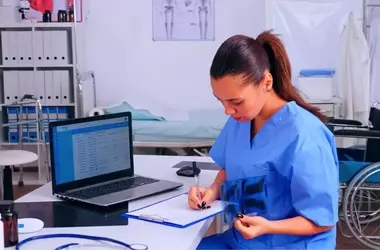
Professional Healthcare Education: Building Skills for a Modern Medical Workforce
Professional healthcare education plays a critical role in preparing individuals for careers within the rapidly evolving medical and health services sector. As healthcare systems become more complex and patient-centered, structured education and professional training are essential to ensure high standards of care, safety, and efficiency. From clinical roles to administrative and support positions, professional healthcare education provides the foundational knowledge and practical competencies required across the industry.
 By Dr. Maya Chen-Scott
 Dec 24, 2025
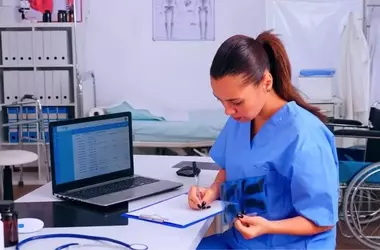
Medical Certification Programs: Educational Structure, Curriculum Focus, and Professional Context
Medical certification programsare structured educational offerings designed to provide focused instruction in specific areas of medicine, healthcare, or clinical support. These programs typically emphasize targeted knowledge acquisition, skill development, and professional awareness within defined scopes of practice. Medical certification programs are offered by educational institutions, professional organizations, and training providers and operate within regulated academic and professional frameworks.
 By Anika Patel
 Dec 24, 2025
Online Medical Courses: Educational Scope, Learning Structure, and Healthcare Context
Online medical coursesrefer to structured educational offerings that deliver medical and healthcare‑related knowledge through digital learning platforms. These courses are designed to provide theoretical instruction, foundational concepts, and academic exposure to various areas of medicine and healthcare without relying exclusively on traditional in‑person classroom settings.
 By Chloe Davis