News
Nepal's Youth-Led Transformation: From Protest to Power

In a groundbreaking political transformation, Nepal has witnessed a significant shift in its governance, largely fueled by the energetic and determined youth of Generation Z. This movement, born from deep-seated frustrations with endemic corruption, systemic nepotism, and social media restrictions, culminated in a resounding electoral victory for the youth-driven Rastriya Swatantra Party. The election results not only propelled young leaders into prominent political roles but also ignited a spark of hope for genuine reform, inspiring young people far beyond Nepal's borders.
Nepal's Youth Reshaping Political Landscape
In a powerful demonstration of youth empowerment, a new political era dawned in Nepal following the pivotal March 2026 elections. At the heart of this change was Bablu Gupta, a dynamic 28-year-old leader who, just months prior in September, was navigating the treacherous streets near Nepal’s Parliament, rallying young protesters against a stifling status quo. Amidst the chaos of gunfire and security crackdowns, Gupta's unwavering spirit and the iconic pirate flag of Gen Z resistance became a beacon for change.
His journey from protest leader to elected official epitomizes the hopes of a generation. During the vibrant Holi festival, celebrated just days before the elections, villagers from Nepal’s southern regions, many of whom have seen their peers leave the country in search of better opportunities, rallied behind Gupta. His face, a canvas of green, purple, yellow, and red powders, symbolized the colorful new chapter he and his supporters envisioned. This symbolic moment foreshadowed a landslide victory for the Rastriya Swatantra Party, signaling a mandate for change not seen in decades. A remarkable nearly 10 percent of the newly elected lawmakers are under 30, a stark contrast to the less than 2 percent in the previous Parliament. These young leaders emerged from a collective exhaustion with governmental failings: rampant corruption that forced many into low-wage jobs abroad, entrenched nepotism favoring high-caste families, the blatant extravagance of the elite, and even a restrictive social media ban that denied them a digital escape from their challenging realities.
The successful integration of young, reform-minded individuals into Nepal's political system provides a compelling narrative of how collective youth action can catalyze substantial change. Their journey from the front lines of protests to the halls of power underscores the potential for a new generation to dismantle outdated systems and construct a more equitable society. This victory resonates globally, offering a blueprint for other nations grappling with similar issues and inspiring young people everywhere to demand accountability and drive their own destinies.
Pulitzer Prize-winning investigative journalist who helped break the Watergate scandal.
Other Articles
 Apr 19, 2026
US Customs Initiates Tariff Refund Process Following Supreme Court Ruling
The U.S. Customs and Border Protection has launched its first phase of tariff refunds, allowing businesses to claim back duties paid under tariffs deemed unconstitutional by the Supreme Court. This marks a significant development for importers, though the full refund process may take months, and consumers are unlikely to see direct financial benefits.
By Michele Norris Apr 19, 2026
A Husband's Enduring Love: A Birthday Gift Amidst Dementia
This article explores the poignant decision of a husband to buy his wife, who suffers from advanced dementia, a birthday present despite her inability to fully comprehend the gesture. It delves into the complexities of maintaining connection and joy in a relationship profoundly impacted by cognitive decline, highlighting the power of love and small moments of happiness.
By Katty Kay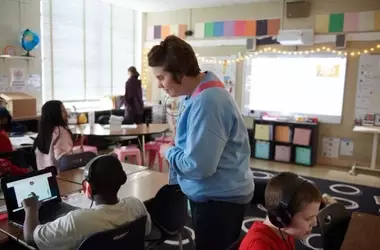 Apr 19, 2026
School Choice Boom in Iowa: Impact on Students and Public Education
Iowa's education landscape is rapidly changing with the rise of school choice initiatives. This includes new charter schools and expanded private school voucher programs, offering families more alternatives to traditional public schools. While proponents argue this provides greater educational freedom and better outcomes for students, public school districts like Cedar Rapids are grappling with declining enrollment and financial strain. This shift raises critical questions about equity, resource allocation, and the long-term health of public education.
By Ann Curry