News
Navigating Economic Crosscurrents: The Lingering Impact of Trade Policies

Economic Resilience Amidst Trade Policy Shifts
Unforeseen Economic Stability Following Tariff Implementation
When the administration announced extensive tariffs on international trading partners in early April, many economic experts voiced concerns about severe repercussions. Forecasts painted a grim picture of escalating prices, increasing joblessness, and the potential for an economic downturn. However, several months later, the economy has largely defied these dire forecasts.
Inflation's Muted Response and a Strong Employment Sector
Contrary to the widespread warnings, overall price increases have remained subdued, and the employment landscape continues to demonstrate considerable strength. This unexpected resilience has led to a reassessment of recession probabilities by forecasters, who have subsequently lowered their pessimistic outlooks. This situation has prompted public figures to highlight the perceived inaccuracy of earlier economic predictions.
The Gradual Manifestation of Tariff Impacts
While the broader economic indicators show resilience, economists caution against premature conclusions. They point to emerging data indicating that the effects of these trade barriers are indeed beginning to appear within economic statistics, albeit subtly. This suggests a delayed but growing influence on market dynamics.
Sector-Specific Price Hikes and Emerging Labor Market Shifts
Recent reports from the Labor Department confirm that while general inflation remains low, certain product categories directly influenced by tariffs, such as children's toys and home appliances, have experienced notable price escalations. Furthermore, the robust employment sector is starting to exhibit minor vulnerabilities, and there are indications that consumer spending habits are undergoing a cautious adjustment. These localized impacts signal a creeping effect of the trade policies.
Anticipating Future Economic Adjustments
Economic analysts project that these emerging trends will become more pronounced in the coming months. As businesses deplete their existing inventories, which were acquired before the tariffs were enacted, they will increasingly begin to transfer the elevated costs to their customers. This anticipated shift is expected to provide clearer evidence of the tariffs' long-term economic consequences.
Pulitzer Prize-winning investigative journalist who helped break the Watergate scandal.
Other Articles
 Jul 16, 2025
Unlocking the Secrets to Sustaining Brain Health as We Age
As individuals age, natural declines in cognitive function such as slower reaction times and reduced memory recall are common. While these changes can sometimes signal conditions like Alzheimer's, they are often typical aspects of aging. Research is actively exploring strategies to mitigate these effects, with studies pointing to the critical roles of sleep, cardiovascular health, and lifestyle choices in preserving brain vitality. Scientists are identifying key behaviors and medical approaches that can help maintain a healthy brain well into older age, offering hope for enhanced cognitive longevity.
By Isabel Allende Jul 16, 2025
The Ascendance of 'Y'all': From Southern Slang to Global Pronoun
'Y'all,' once a regional colloquialism, has now achieved widespread acceptance in modern English, filling a linguistic void for a plural 'you.' Its journey from a stigmatized term to a celebrated expression reflects evolving cultural attitudes, propelled by diverse influences like the Great Migration, hip-hop, and a growing desire for inclusive language. Linguists highlight its utility and the sense of welcome it conveys, contributing to its pervasive adoption among younger generations and even in corporate environments.
By Isabel Allende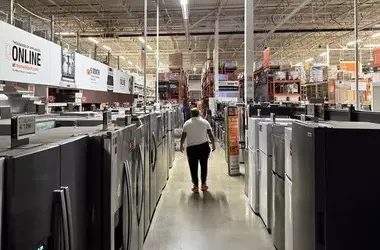 Jul 16, 2025
Economic Challenges and Legal Interpretations: A Complex Interplay
This article delves into the current economic landscape, marked by persistent inflation, and scrutinizes the Supreme Court's 'shadow docket' decisions. It explores how these seemingly disparate issues intertwine, with economic policies, particularly tariffs, potentially exacerbating inflationary pressures, and the judiciary's often opaque rulings influencing major governmental and societal spheres. The piece highlights the far-reaching implications of these developments on the everyday lives of citizens and the broader political climate.
By Isabel Allende