Medical Devices
Medical Monitors: A Scientific Overview of Physiological Monitoring Systems

Definition and Objective
Medical monitors are electronic systems designed to measure, display, and sometimes record vital physiological signals such as heart rate, blood pressure, oxygen saturation, respiratory rate, and temperature. These devices are commonly used in hospitals, outpatient facilities, and home care environments.
The objective of this article is to address the following questions:
- What are the fundamental principles behind medical monitoring?
- How are these devices structured and categorized?
- What mechanisms enable accurate data collection and interpretation?
- What are the broader implications and limitations of their use?
Fundamental Concepts
Medical monitoring is based on the acquisition and interpretation of biological signals. These signals are typically categorized into several types:
- Electrical signals (e.g., electrocardiogram or ECG)
- Mechanical signals (e.g., blood pressure)
- Optical signals (e.g., pulse oximetry)
- Thermal signals (e.g., body temperature)
Each type of signal requires specific sensors and processing techniques. For example, pulse oximeters use light absorption at different wavelengths to estimate oxygen saturation in the blood, while ECG monitors detect electrical activity generated by cardiac muscle cells.
Medical monitors are often classified into:
- Bedside monitors used in intensive care units
- Portable monitors for ambulatory use
- Wearable monitoring devices integrated into consumer electronics
According to the World Health Organization, the availability of reliable monitoring systems is a key component of effective healthcare delivery, particularly in acute care settings.
Core Mechanisms and In-Depth Explanation
The operation of medical monitors involves several interconnected processes:
- Signal Acquisition Sensors capture physiological data from the body. These sensors must maintain high sensitivity and specificity to ensure accurate readings.
- Signal Processing Raw signals are often subject to noise and interference. Digital filtering and amplification techniques are applied to extract meaningful information.
- Data Display and Interpretation Processed data are displayed in real time through visual interfaces, often including numerical values and waveform graphs.
- Alarm Systems Many monitors include threshold-based alert systems that activate when parameters exceed predefined limits.
- Data Storage and Integration Modern systems may store data for longitudinal analysis and integrate with electronic health records.
Technological advancements have introduced features such as wireless connectivity and artificial intelligence-based pattern recognition. These developments enable more sophisticated analysis, including early detection of anomalies.
Comprehensive View and Objective Discussion
Medical monitors play a significant role in modern healthcare by enabling continuous observation of patient status. However, several considerations must be addressed:
- Accuracy and Calibration: Measurements may vary depending on device quality and calibration practices.
- User Interpretation: Data require appropriate interpretation by trained personnel to avoid misjudgment.
- Data Overload: Continuous monitoring can generate large volumes of data, which may complicate decision-making.
- Privacy and Security: Digital monitoring systems raise concerns regarding data protection.
Global data indicate that the use of monitoring technologies has increased alongside the expansion of healthcare infrastructure and aging populations. At the same time, disparities in access remain between different regions.
Conclusion and Outlook
Medical monitors represent a foundational component of contemporary healthcare systems. Their development reflects advances in biomedical engineering and information technology.
Future trends may include:
- Increased integration with wearable technologies
- Enhanced predictive analytics
- Greater emphasis on remote monitoring systems
These developments suggest an ongoing evolution in how physiological data are collected and utilized.
Questions and Answers
1. What parameters do medical monitors typically measure?
They measure vital signs such as heart rate, blood pressure, oxygen saturation, respiratory rate, and temperature.
2. How do sensors detect physiological signals?
Sensors convert physical or biological changes into electrical signals that can be processed and analyzed.
3. Are medical monitors always accurate?
Accuracy depends on calibration, sensor quality, and correct usage.
4. What is the role of alarm systems?
They provide alerts when measured values fall outside predefined ranges.
5. What challenges are associated with medical monitoring?
Challenges include data interpretation, device reliability, and data security concerns.
https://www.who.int/health-topics/medical-devices
https://www.fda.gov/medical-devices

Other Articles
 Mar 20, 2026
Mechanical Ventilators: Principles, Applications, and Clinical Context
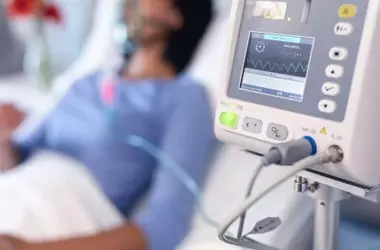
Mechanical ventilators are medical devices designed to assist or replace spontaneous breathing by facilitating the movement of air into and out of the lungs. They are widely used in various healthcare settings, particularly in cases where respiratory function is impaired. This article defines mechanical ventilation, clarifies its objectives, and explains the physiological and technical mechanisms involved. It further provides a comprehensive and neutral discussion of its applications, advantages, and limitations. The article concludes with a forward-looking perspective and a structured question-and-answer section addressing common informational topics related to ventilator use.
 By Dr. Felipe Torres
 Mar 20, 2026
Cardiac Monitoring Devices : A Comprehensive Scientific Overview
Cardiac monitoring devices, commonly referred to as electrocardiographic monitoring systems, are medical technologies designed to observe and record the electrical activity of the heart over time. These systems play a central role in modern healthcare by enabling continuous or periodic assessment of cardiac function in various clinical and non-clinical settings. This article defines cardiac monitoring, outlines its objectives, and explains the physiological and technical mechanisms underlying its operation. It further examines the scope of applications, benefits, and limitations from an objective standpoint. The discussion concludes with a forward-looking perspective on technological developments and a structured question-and-answer section addressing common informational queries.
By Dr. Felipe Torres Mar 19, 2026
Blood Pressure Monitors: Principles, Accuracy, and Clinical Context
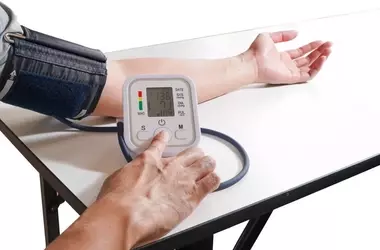
Blood pressure monitors are devices designed to measure arterial pressure, a fundamental physiological parameter that provides insight into cardiovascular health. This article provides a comprehensive overview of blood pressure monitoring, including types of devices, measurement principles, factors affecting accuracy, interpretation frameworks, and emerging trends in continuous monitoring technologies. The discussion emphasizes neutral, evidence-based information without making recommendations or endorsements.
 By Grace Nwoye, MPH